Bridesmaid Dresses on a Budget: How to Look Stunning Without Overspending
What Is a Bridesmaid Dresses On A Budget and Why It Matters
Searching for bridesmaid dresses on a budget is really about finding the sweet spot between style, comfort, and common sense. You do not need to spend a fortune to create a bridal party look that feels cohesive and elevated; you need a clear plan, a realistic timeline, and a few smart decisions that keep the whole process calm.
Budget-friendly bridesmaid styling matters because bridal party costs can add up fast. Dresses, shoes, alterations, accessories, and rush fees can turn a simple outfit into a major expense if the group starts late or changes direction too many times. The earlier you define colour, fabric, and fit expectations, the easier it is to stay on budget without sacrificing the look.
A good budget strategy also helps the whole wedding run smoother. When bridesmaids know what to expect, they can plan their payments, avoid panic buying, and focus on looking beautiful rather than worrying about deadlines. If you want to start with a curated range, browse our bridesmaid dresses collection or head to shop all for a wider view of styles.
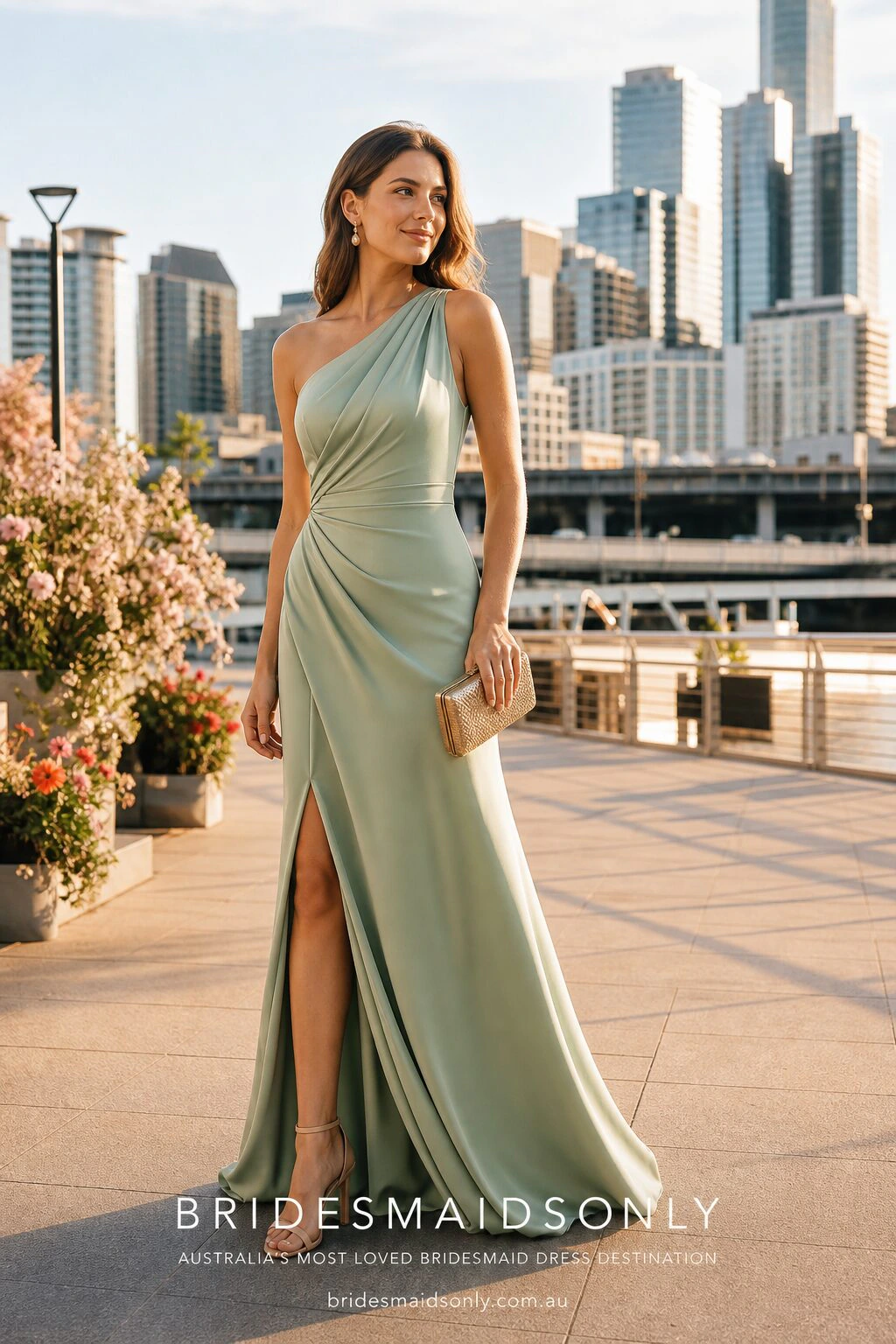
The best part is that “budget” does not have to mean boring. With the right cut, colour story, and finishing touches, even a modestly priced dress can photograph beautifully and feel intentional. Think polished, not pricey.
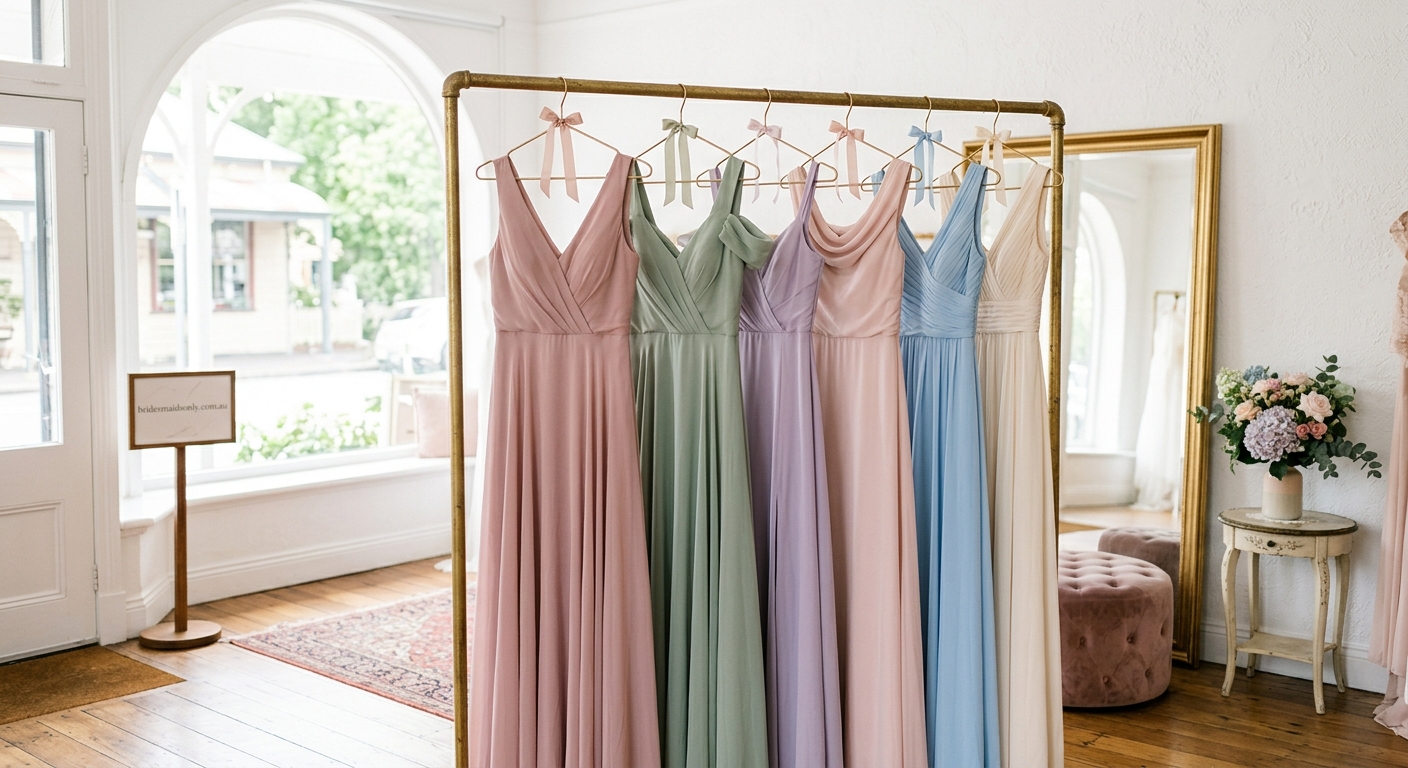
Before you commit to anything, it helps to look at trusted wedding advice from broader planning sources too. For example, Brides and The Knot both regularly share practical bridesmaid guidance, while Vogue is useful when you want a fashion-first eye on colour and silhouette.
12–9 Months Before the Wedding
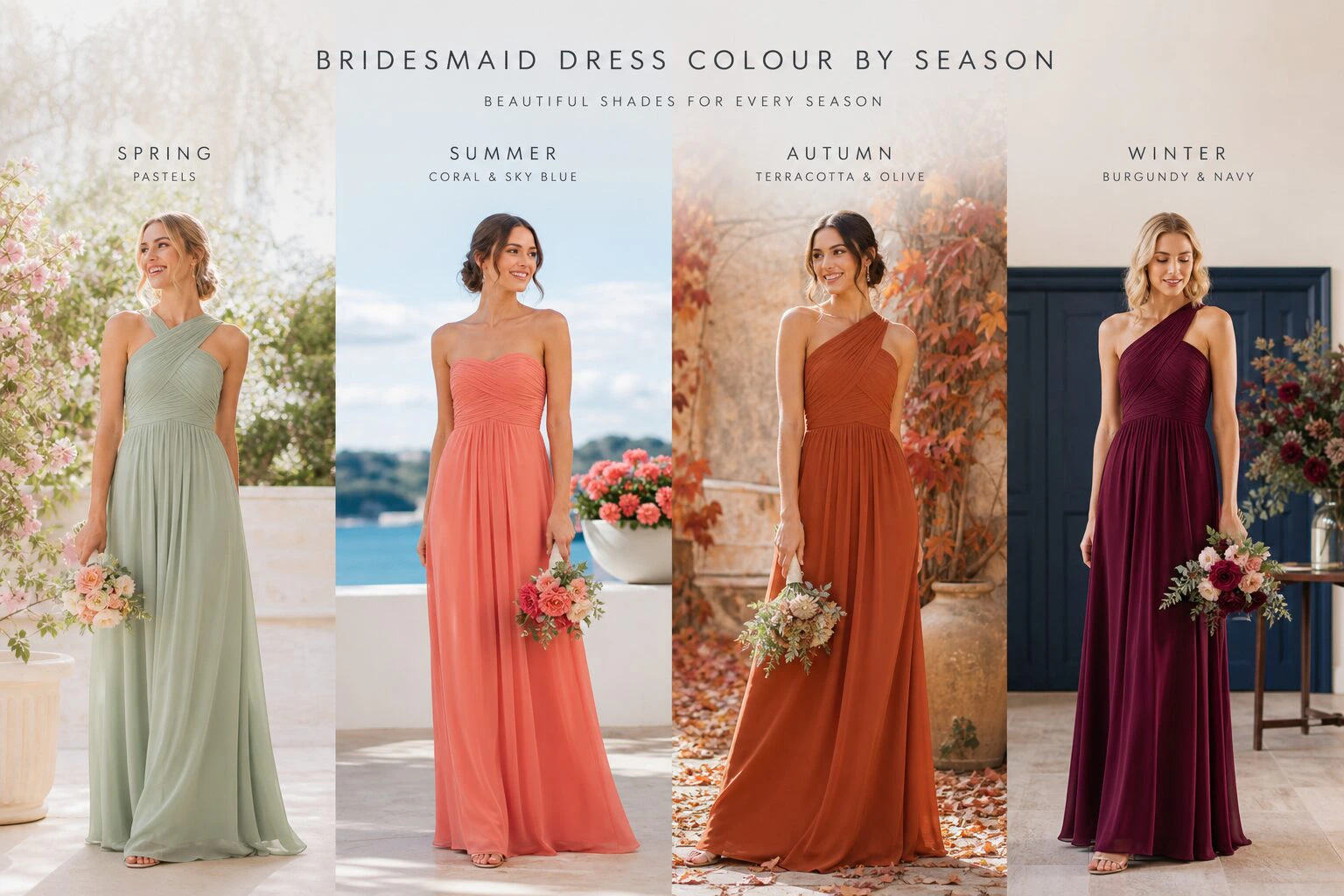
This is the calmest and cheapest time to begin. Start by agreeing on the overall mood of the wedding party: soft and romantic, clean and modern, coastal and relaxed, or polished and formal. When the vision is clear, the shopping stays focused and the group avoids costly detours into styles that look pretty on their own but clash in photos.
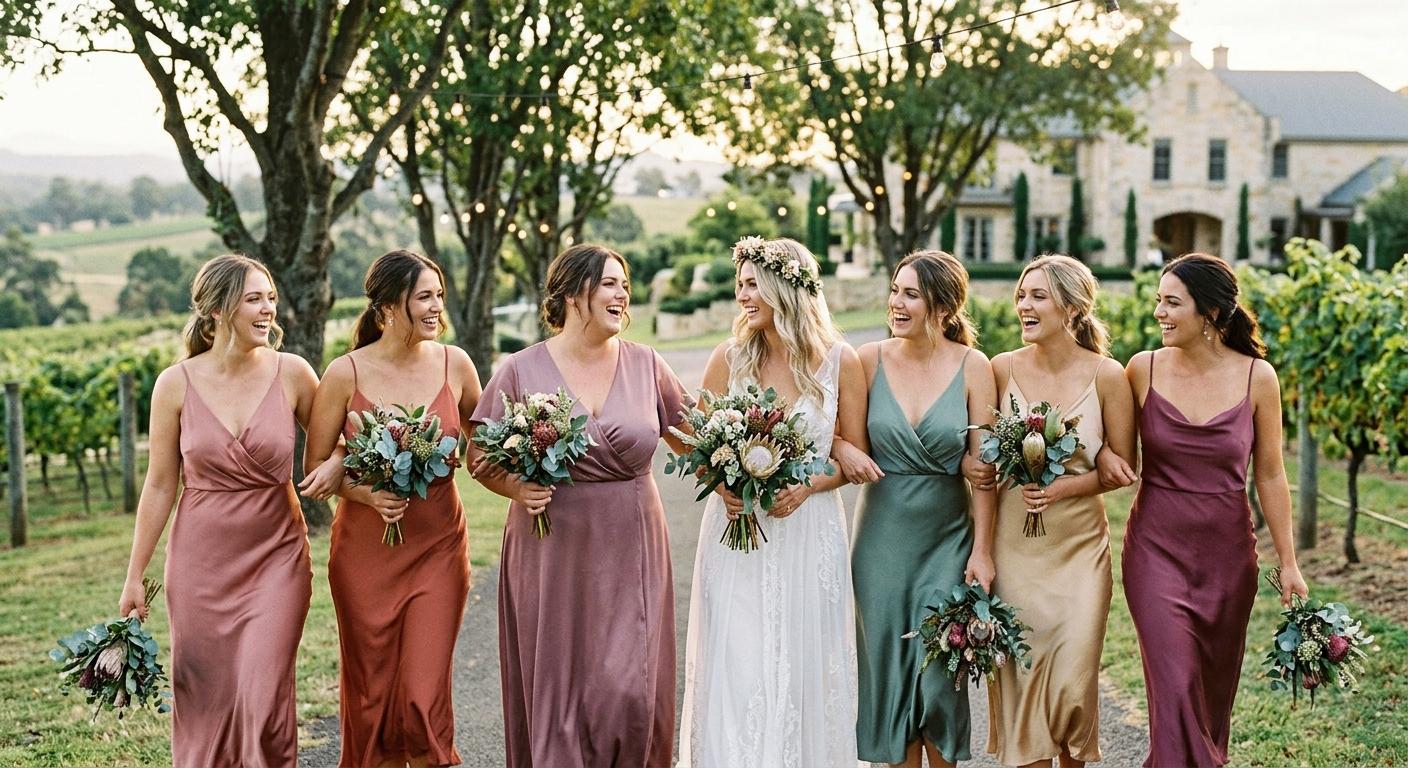
At this stage, it is smart to set a realistic per-person budget. Include the dress, basic alterations, shoes, and a simple accessory allowance if needed. That number does not have to be rigid, but it gives everyone a benchmark and reduces awkward surprises later. If the bride wants flexibility, a mix-and-match approach can be a money saver because bridesmaids can choose different necklines or sleeve styles while staying within the same colour family.
It is also the right time to compare fabrics. Satin can look luxurious but may show fit issues more clearly, while chiffon is often forgiving and easy to move in. Crepe sits nicely and feels modern, but heavier fabrics may cost more. If you want a smarter browse, use the our blog section for ideas before you narrow the shortlist.
Be selective about where you spend. A dress with clean construction, good drape, and enough structure in the bodice usually photographs better than a cheaper dress with awkward seams or flimsy lining. If you can, prioritise a flattering cut over trendy detailing; a timeless shape often gets more wear after the wedding too.
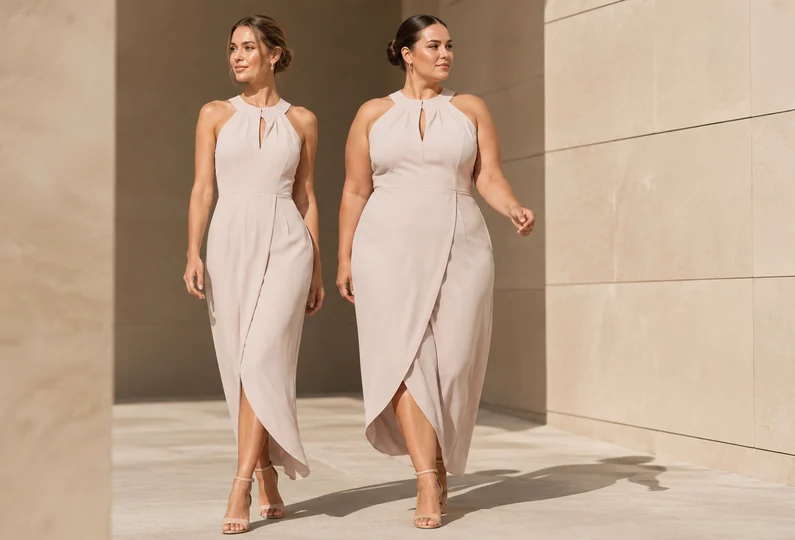
Another useful move is to decide early whether the bridal party will wear matching dresses or coordinated ones. Matching can be elegant, but coordinated outfits often offer more flexibility and can reduce stress if one bridesmaid has different body proportions or needs a different sleeve length. For a strong first impression, point the group to the homepage and let them work from one trusted source instead of scattering across random retailers.
8–6 Months Out
Once the style direction is set, place orders with plenty of lead time. This is the moment when staying organised really pays off. Standard production windows, shipping delays, and size exchanges can all become expensive if you leave things too late, especially during peak wedding seasons.
Ordering in this window gives you room to handle the normal stuff: one dress might need a size tweak, another may arrive a little long, and someone may prefer a different neckline once they see the final sample. None of that is a problem if you are not racing the clock. It becomes a budget problem only when you are forced into rush orders or premium alterations.
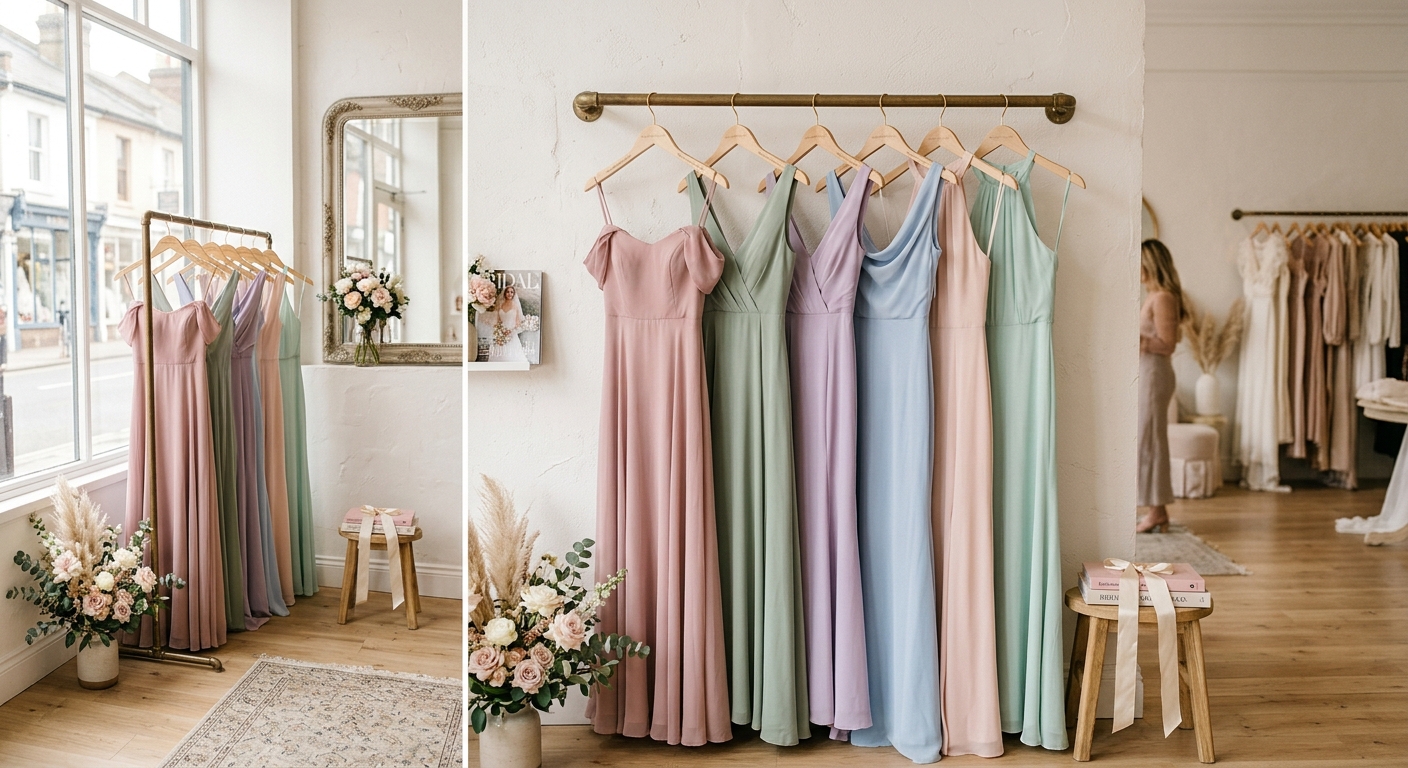
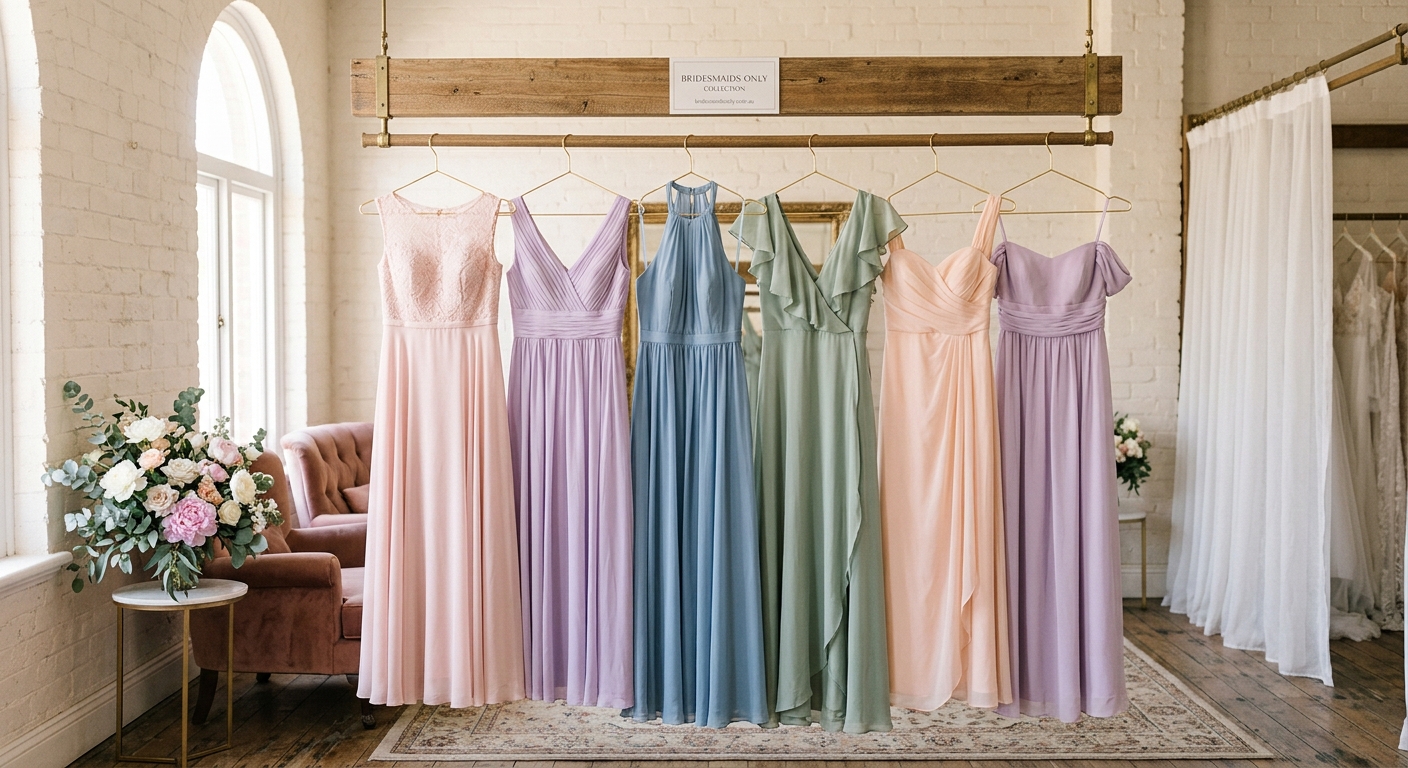
If you are building a cohesive bridal party look, keep an eye on colour consistency across the group. Even within the same colour name, fabric and light can shift the final result. That is why it helps to order everything from the same store and, where possible, the same collection. A single source makes it much easier to keep the palette unified and the budget under control.
During this phase, make one person responsible for the overall checklist. Too many decision-makers can lead to duplicate purchases, accidental changes, or someone ordering the wrong shade because the group was discussing five options at once. A simple shared list is usually enough. It should cover who has ordered, what size they chose, and whether they expect any custom adjustments.
Do not forget practical research either. The Martha Stewart Weddings archive is handy for classic planning ideas, and Harper’s Bazaar can be useful if you want a more fashion-forward read on formalwear trends.
4–3 Months Out
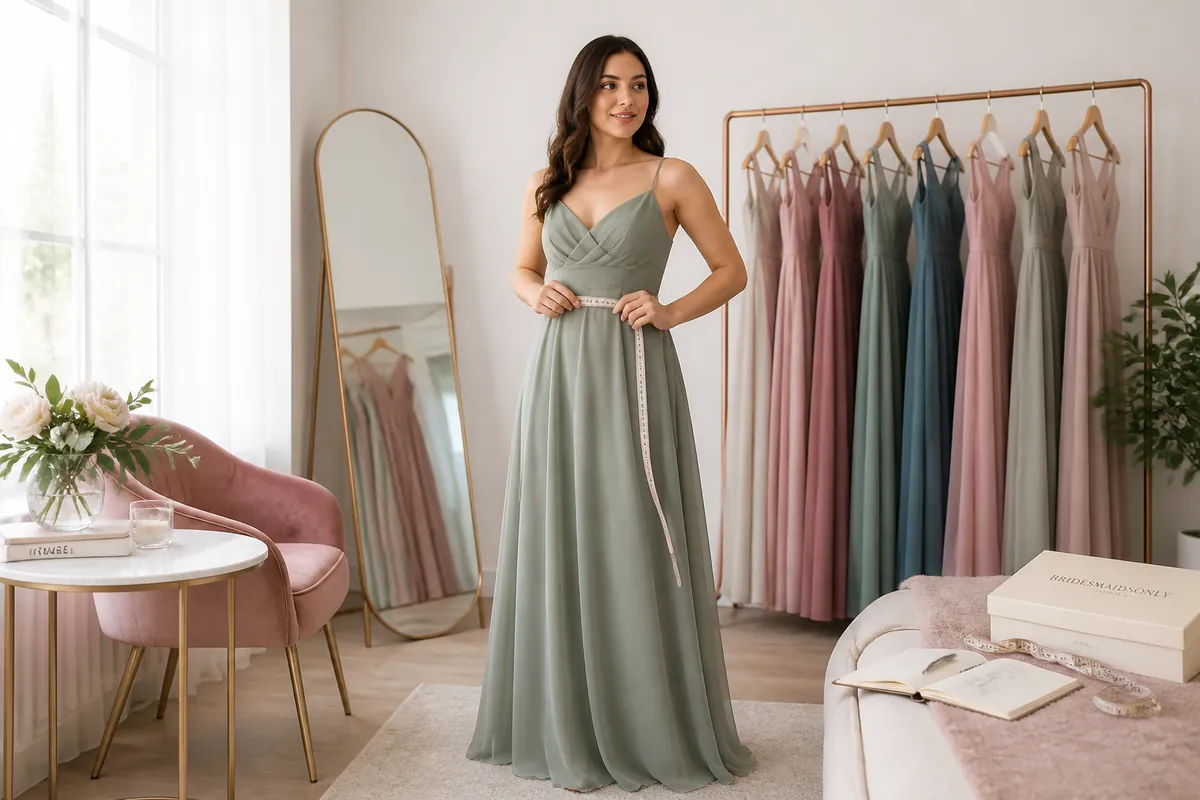
This is the fitting and alteration window. By now, dresses should be in hand, tried on, and checked against the original sizing notes. A first fitting is usually where budget issues show up, because small changes in length, bust fit, or waist placement can be fixed efficiently if you have enough time. Waiting until the last month tends to turn a modest tailoring bill into a stressful one.
Keep alterations as targeted as possible. Hemming, taking in a seam, and adjusting straps are the most common fixes and are generally the best value. If a dress needs a complete redesign to work, it may be cheaper to swap sizes or choose a different style rather than overpaying for complicated tailoring.
This is also a good stage to think about movement. Bridesmaids spend a lot of the day sitting, standing, walking, hugging people, and dancing. A dress that looks incredible in the mirror but restricts movement can create discomfort later. A comfortable fit is not just practical; it also helps the dress photograph well because the wearer looks relaxed instead of stiff.
Use this period to confirm undergarments and shoes. These details affect how the dress sits, especially if the neckline or hemline is sensitive to heel height. When the base pieces are sorted early, the final alteration pass is cleaner and the total spend is easier to predict.
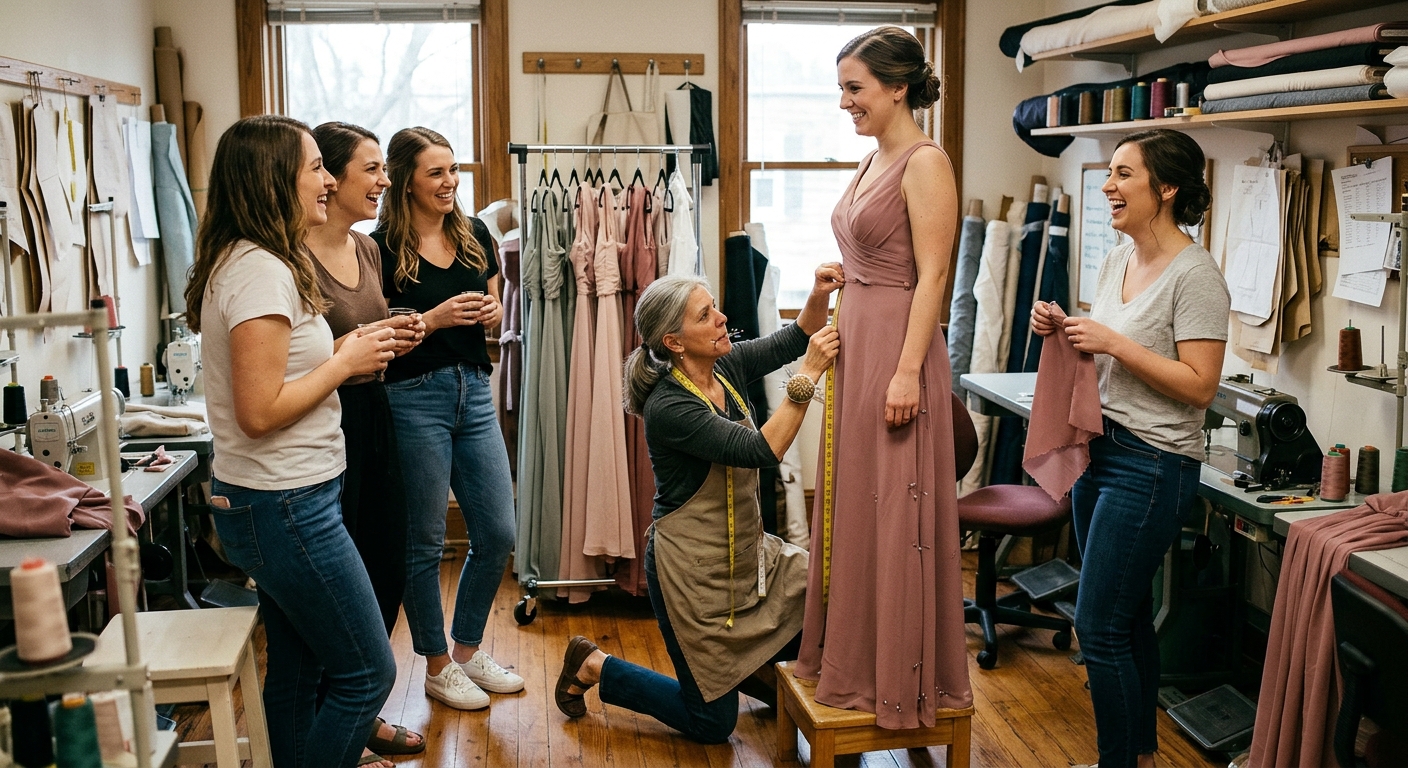
For styling ideas that help you avoid overbuying, you can also compare different looks on about us and keep your choices aligned with the collection’s overall aesthetic. Even a simple design can look expensive when it is paired with the right fabric and fit.
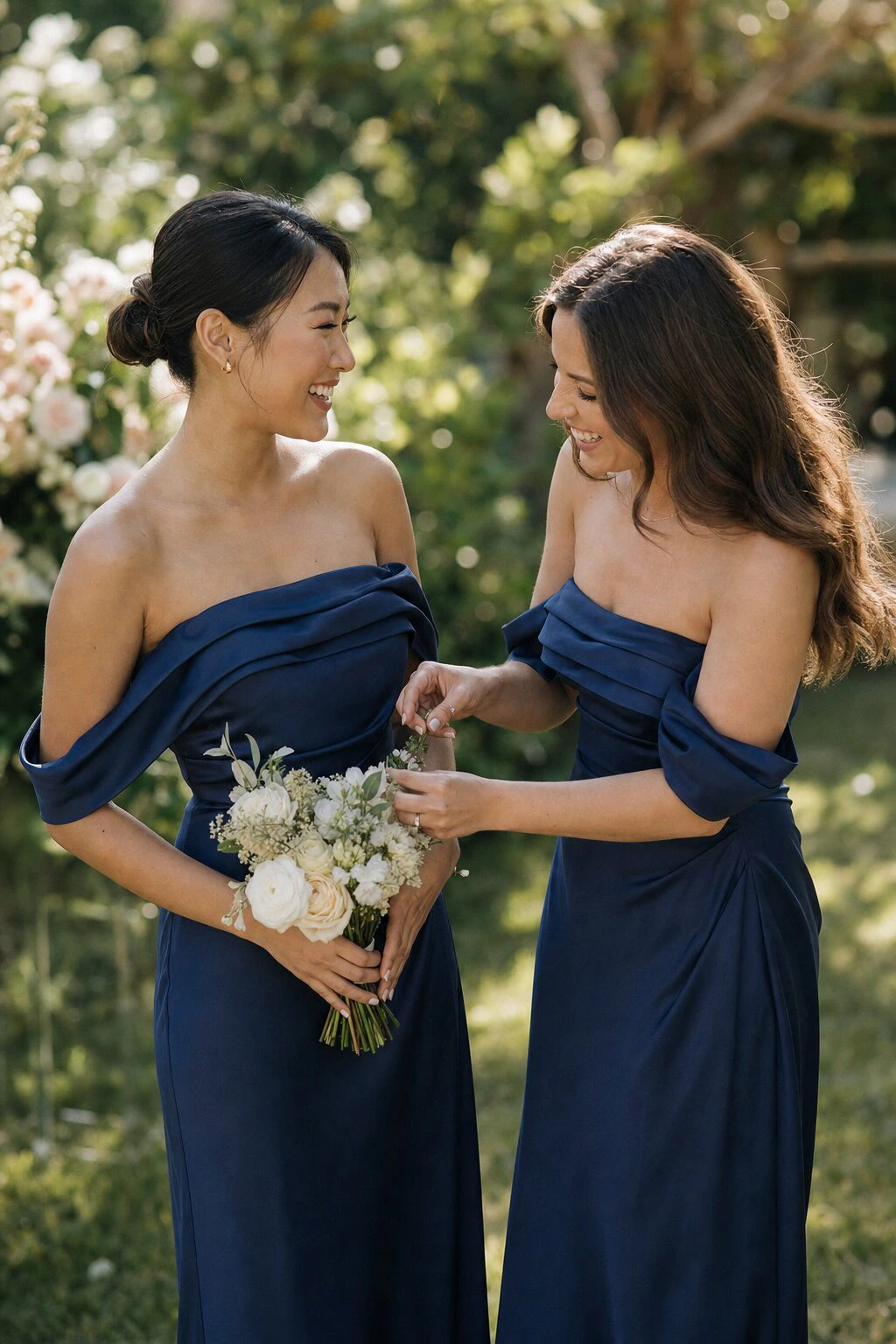
Do not be afraid to simplify accessories at this point. A delicate earring, a neat bouquet, and a clean hairstyle often do more for the final image than multiple extra purchases. Spending a little on the elements that show up in every photo makes more sense than adding lots of one-off accessories that barely get seen.
2–1 Months Out
Now the goal is refinement, not reinvention. Final fittings should confirm the length, seam adjustments, and overall comfort of each dress. If there are any last sizing changes, make them now while there is still breathing room. This is also the point to double-check that no one has changed shoe height, hairstyle plans, or accessories that affect the way the dress sits.
At this stage, the cheapest bridesmaid look is the one that feels complete without excess. Matching shoes are nice, but they are not always necessary if the dresses are cohesive and the hemline is consistent. The same goes for jewelry. When budgets are tight, one polished accessory can be enough.
Consider a final try-on with the full outfit. Bring the shoes, undergarments, and any wrap or jewellery the group plans to wear. That gives everyone a clear view of the finished silhouette and reduces the chance of last-minute panic shopping. It also gives the bride a chance to see whether the bridesmaids look coordinated in real life, not just on a hanger.
If the bridal party wants extra styling clarity, a visual board can help. Compare necklines, fabrics, and bouquet colours side by side so no one is guessing. This keeps spending rational and avoids “just in case” purchases that slowly inflate the budget. A final review of the shop range can be helpful too, especially if you need a backup option from the collections page.
It is worth remembering that expensive does not always mean better. A simple dress in the right shade, fitted cleanly, and worn with confidence will usually beat a more elaborate dress that does not suit the wearer. The visual goal is a graceful, consistent bridal party — not a competition for the most embellished gown.
The Week Before
The final week is about checks, not shopping. Make sure every dress is steamed or hung properly, shoes are packed, and accessories are matched up with the right person. If a dress needs a last-minute hem touch-up, do it immediately rather than hoping it will somehow work itself out.
Create a simple final checklist for each bridesmaid. It should include the dress, shoes, underwear, jewellery, emergency pins, and the contact details for the person coordinating the day. That tiny bit of organisation saves a surprising amount of stress on the wedding morning, when nobody wants to hunt for missing items.
Keep a small emergency kit handy. A needle and thread, fashion tape, safety pins, blotting paper, and a mini stain remover can rescue most minor issues without adding more expense. A budget-conscious bridal party is not just about buying wisely; it is also about being prepared for the inevitable little problems.
If there is still uncertainty, trust the simplest option. Clear structure, clean fit, and low-fuss styling almost always win. The final goal is a cohesive, beautiful bridal party that feels effortless, and that comes from planning early rather than buying more at the end.
For bridesmaids and brides who like to keep everything in one place, a final review of the homepage or the broader blog can help confirm the last details without wandering into unnecessary purchases.
Frequently Asked Questions
How far in advance should I order bridesmaid dresses?
It is best to order bridesmaid dresses about 6 to 8 months before the wedding whenever possible. That gives you time for shipping, exchanges, and alterations without paying rush fees or settling for a backup style.
Can I rush-order a bridesmaid dress?
Yes, many dresses can be rush-ordered, but the cost usually goes up and your options may be more limited. If you have to rush, keep the design simple, choose a reliable retailer, and leave enough time for a final fitting.
How many fittings do bridesmaids usually need?
Most bridesmaids need one to two fittings, depending on the dress and the amount of tailoring required. If the sizing is close and the style is forgiving, one fitting may be enough; more structured dresses can need an extra check.
What if a bridesmaid is pregnant or might change sizes?
Choose a style with flexibility, such as an adjustable waist, wrap shape, or softer fabric with room to move. Ordering a little later in the timeline, while still leaving fitting time, can also help make sure the dress is comfortable and flattering.