Summer Wedding Bridesmaid Dresses: Staying Cool Without Sacrificing Style
What makes summer dresses work
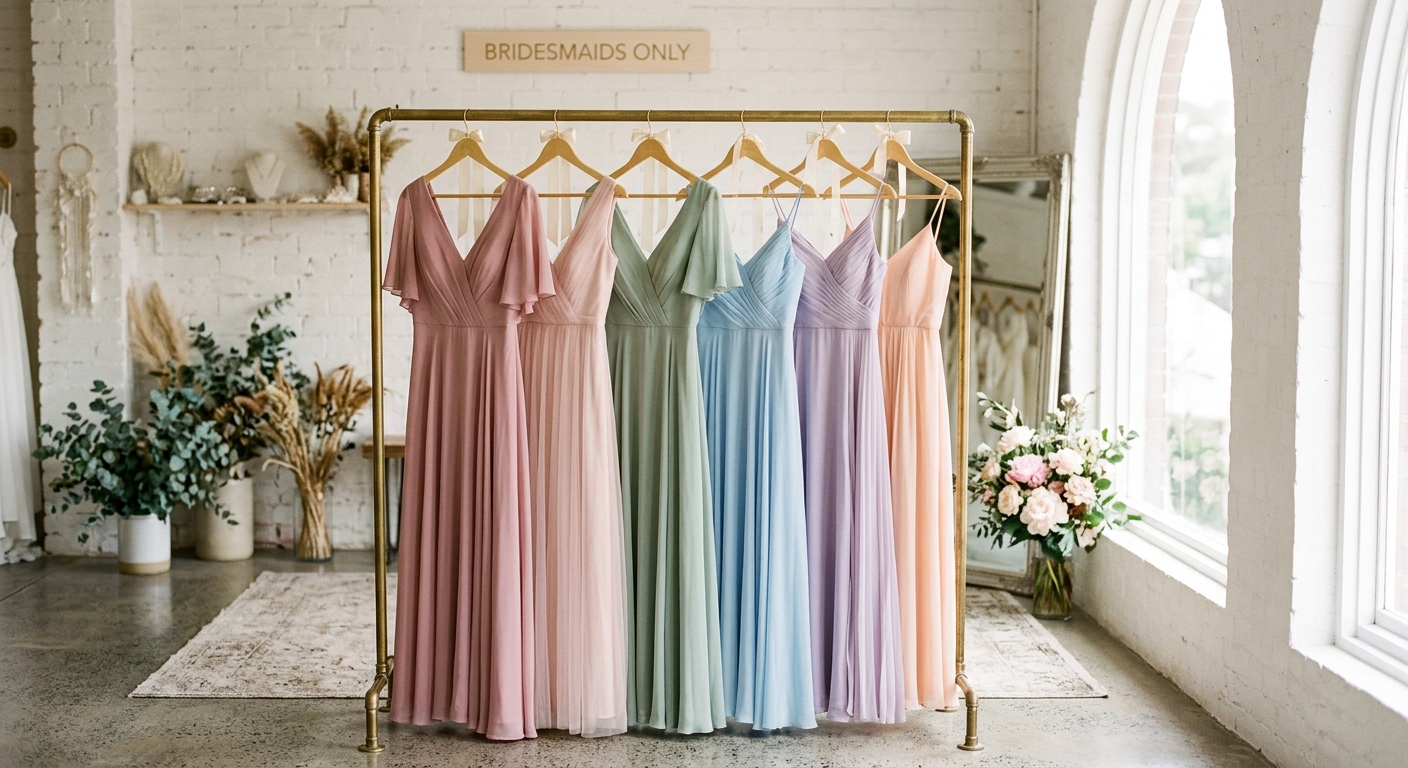
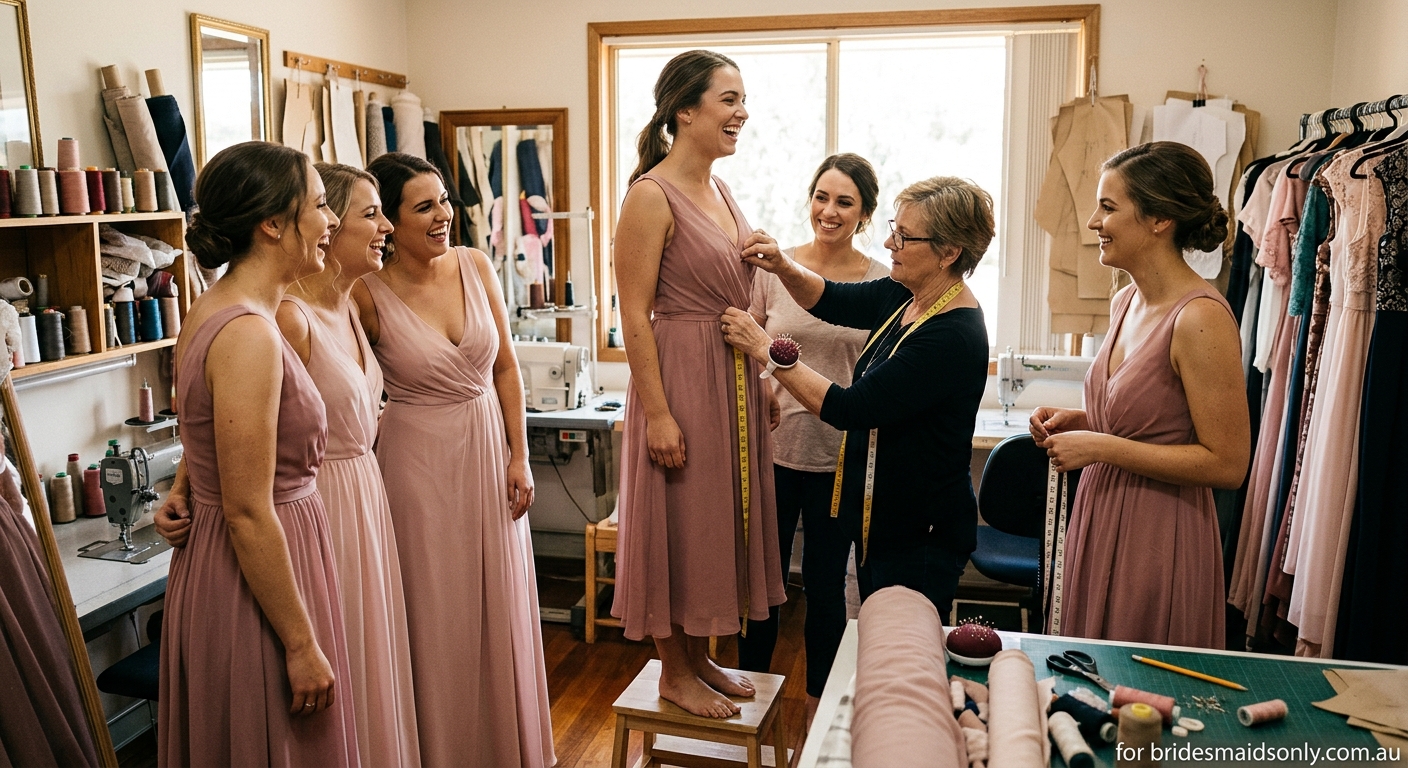
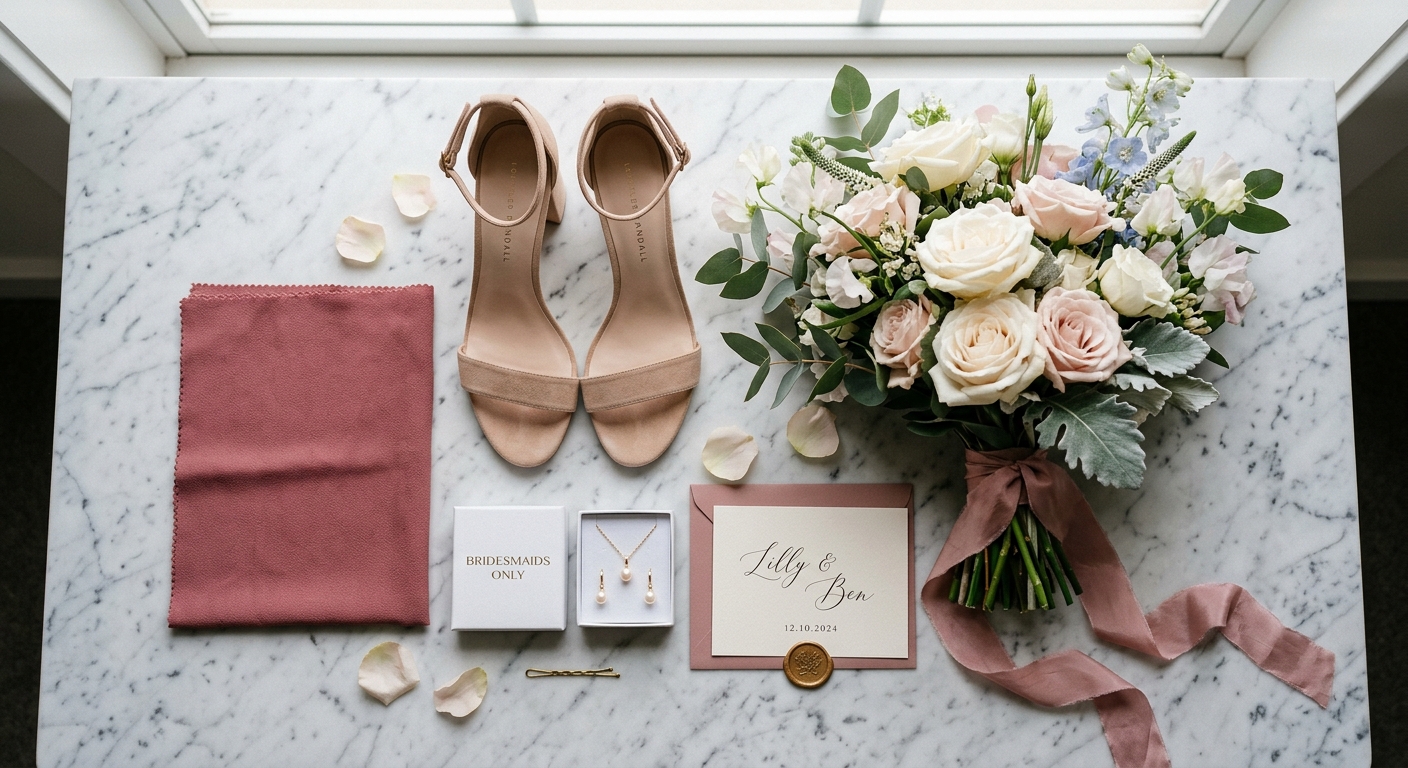
Summer wedding bridesmaid dresses need to feel light without looking flimsy. The bridal party should be able to stand, sit, dance, and photograph comfortably even when the weather is warm. That means the ideal dress is usually one that breathes well, moves easily, and still holds its shape in strong light.
In summer, comfort and appearance are inseparable. If the dress traps heat, clings badly, or needs constant adjusting, it will show in the photos and in the mood of the day. A dress that feels easy to wear gives the whole wedding party a more relaxed, polished result.
The setting matters too. A beach wedding, garden ceremony, or outdoor reception can all place different demands on the dress. A look that is perfect in a shaded venue might feel too heavy in full sun. That is why summer styling should always start with the environment, not just the hanger.
If you are beginning the search, start with the bridesmaid dresses collection and the wider shop all pages. It is easier to choose summer-appropriate dresses when you compare light fabrics and relaxed silhouettes side by side.
Bridal guidance from Brides and The Knot consistently points in the same direction: the most successful bridal party looks are the ones that suit the season and remain comfortable all day.
If you need a brand reference while planning, the homepage, blog, and about us pages help keep the style decisions aligned before anyone commits.
Best fabrics for hot weather
Fabric is the single biggest factor in whether a summer bridesmaid dress feels pleasant or punishing. Lightweight, breathable fabrics help the bridal party stay cool and avoid the heavy, sticky feeling that can happen in warmer weather. The best summer options often have movement without too much structure.
Chiffon, soft crepe, lightweight satin, and airy lined fabrics are often strong choices because they drape nicely and let the body breathe more naturally. These fabrics also catch light well, which is useful for summer photography where everything tends to look brighter and more exposed.
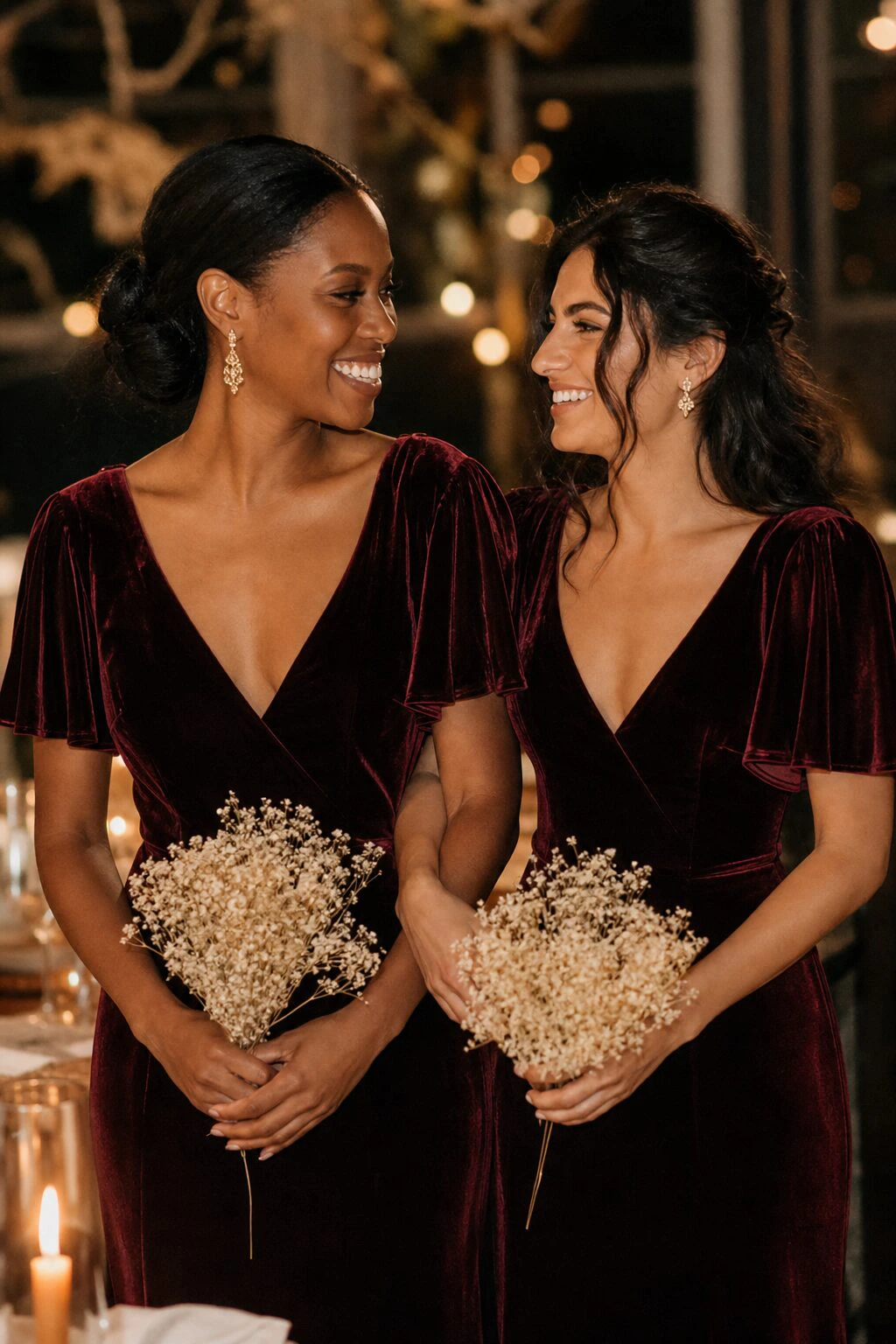
Avoid overly heavy layers unless the venue or dress code truly needs them. A thick fabric can look elegant, but if it is trapping heat it will quickly become less appealing. Summer wedding style is usually more successful when the fabric does some of the visual work without adding unnecessary weight.
Texture can still be beautiful in summer as long as it does not become bulky. A smooth fabric with a soft sheen may be all you need. If you want a slightly more polished finish, use accessories or colour to elevate the look instead of piling on details.
The practical test is simple: if the dress feels easy to move in and does not make you overheat while standing still, it is likely on the right track. A summer wedding is not the time to fight the weather.
For broader style inspiration, the editorial coverage at Harper’s BAZAAR and Vogue is helpful because it shows how lighter fabrics can still look refined rather than casual.
If you are comparing options, the collection pages make it easier to spot which styles have the right amount of movement and which ones may be too structured for a hot day.
Best colours for summer weddings
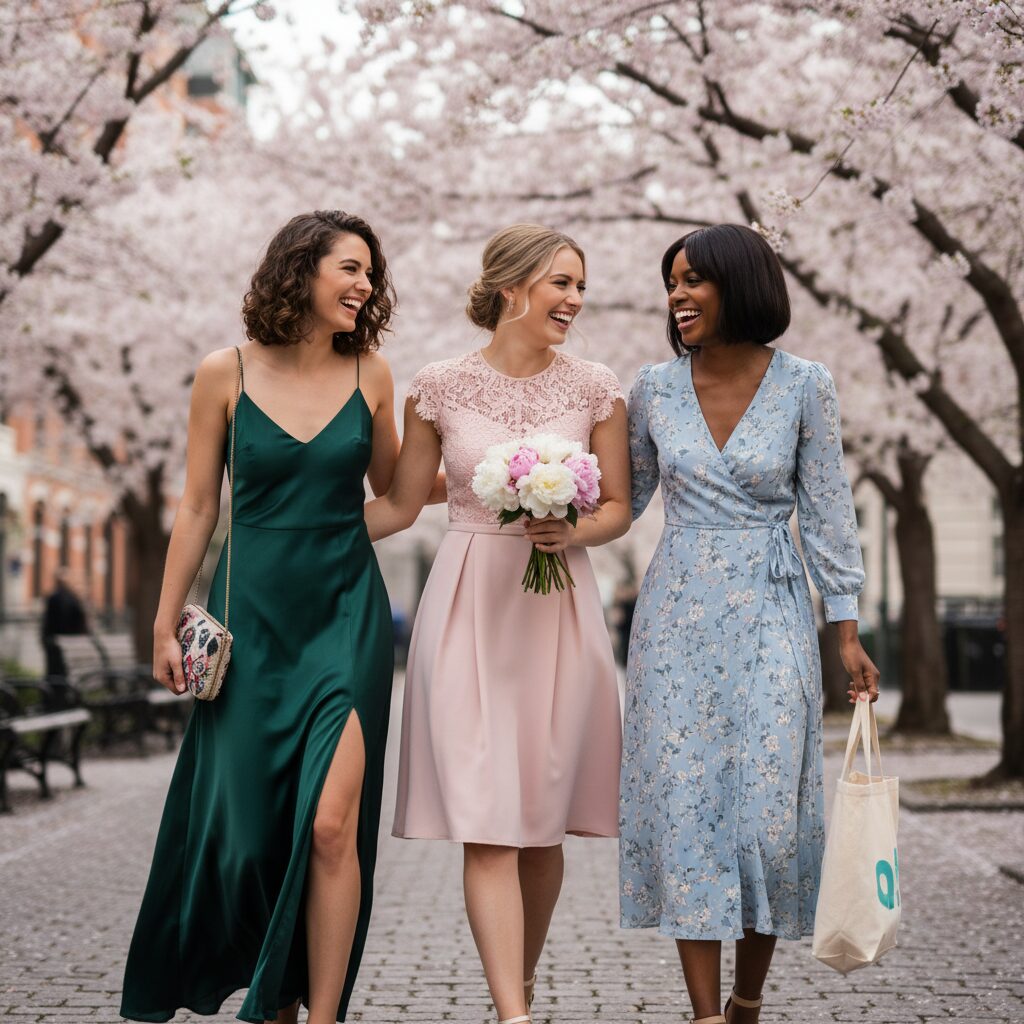
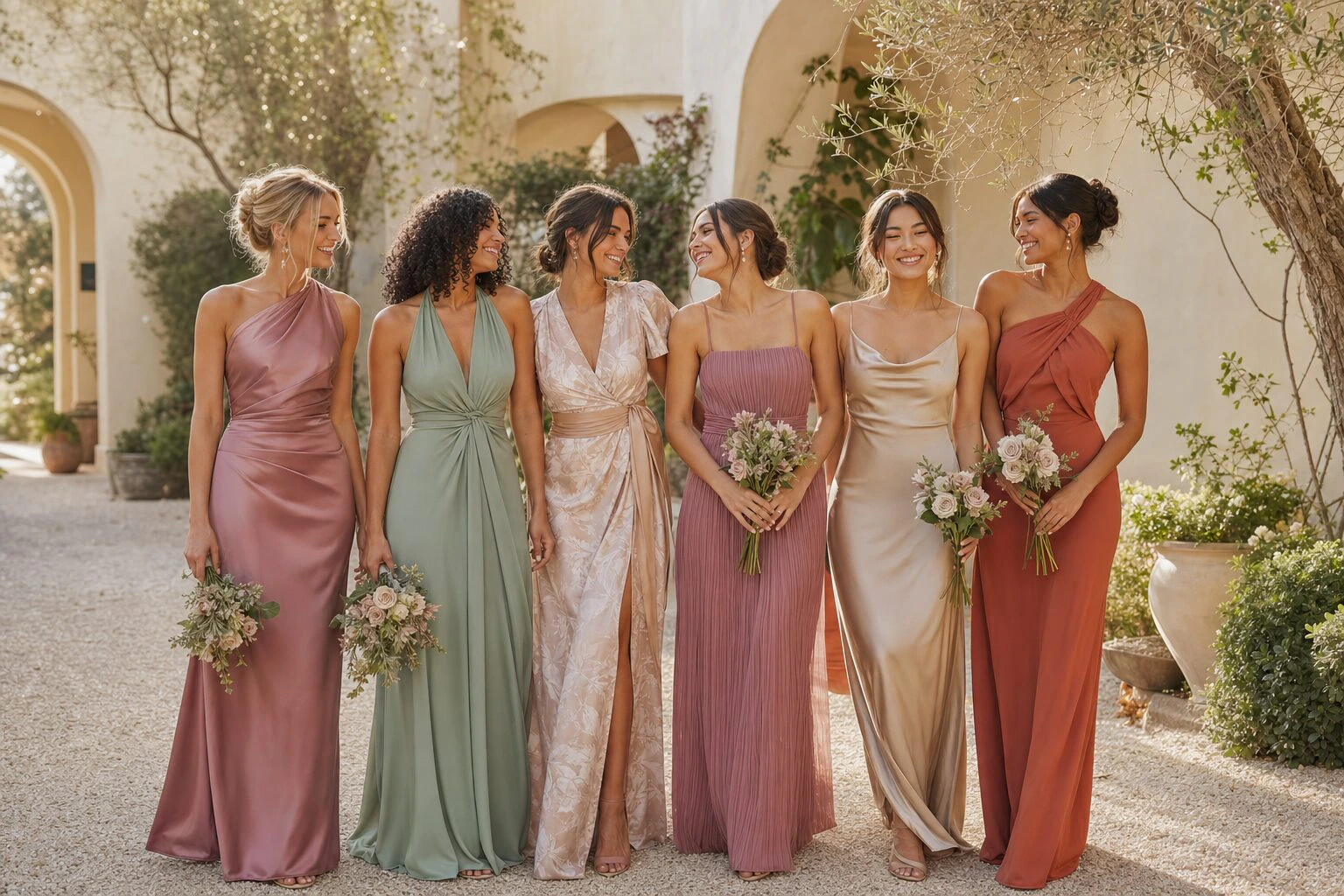
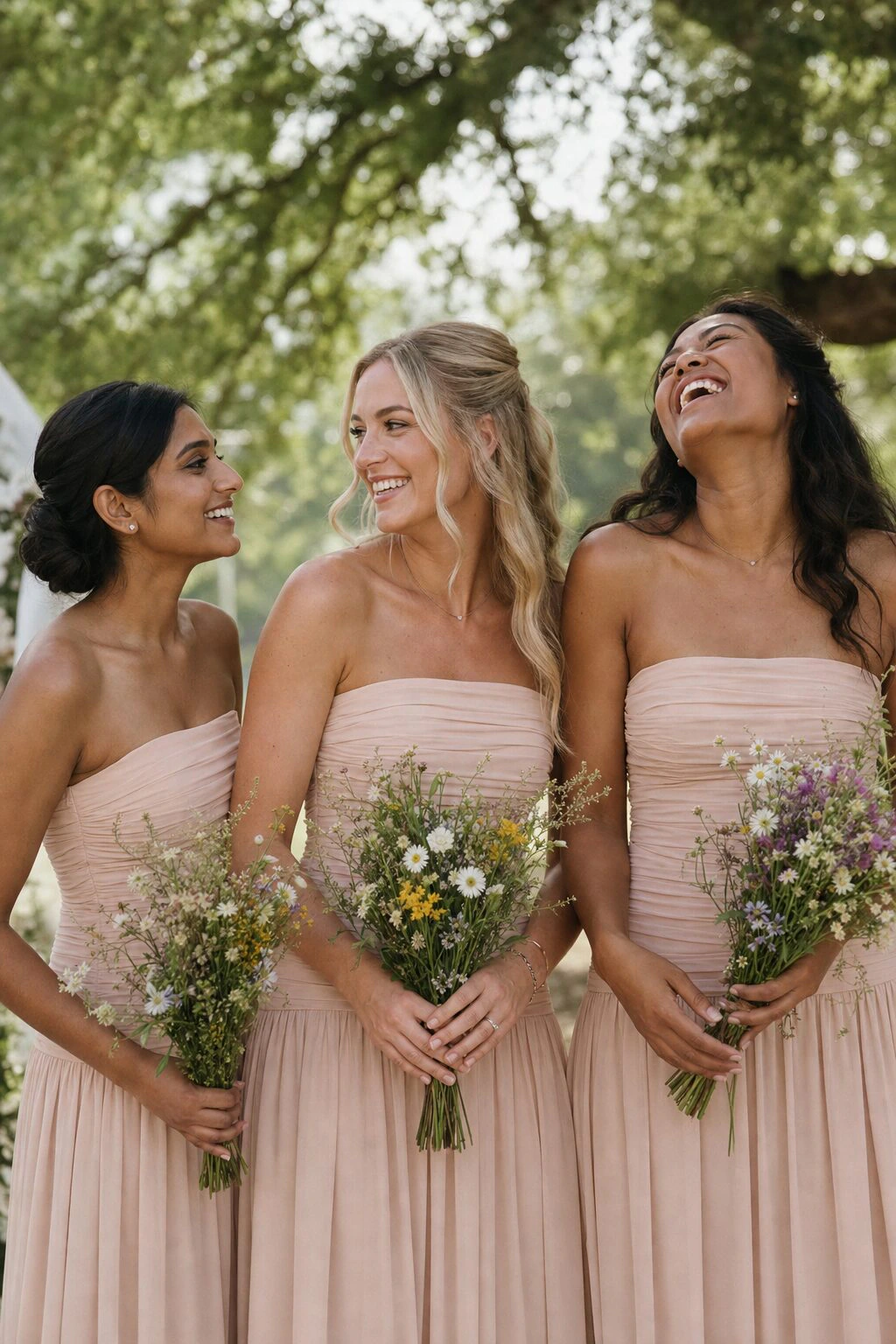
Summer dresses usually look best in colours that feel fresh, bright, or softly romantic. That does not mean every bridesmaid has to wear pale pastels, but the palette should feel light enough to match the season. Soft blush, sage green, sky blue, warm ivory, coral, and sunny neutrals all work well depending on the wedding style.
Colour can also influence how hot the dress feels. Light colours reflect summer light more easily, while darker shades can absorb heat and feel heavier visually. That is not always a deal-breaker, but it is worth considering if the wedding is outdoors or during the middle of the day.
The venue should guide the palette as much as the season does. A coastal wedding may suit softer blues and sand tones, while a garden setting may lean into greens, peach, or floral-inspired hues. A city or black-tie summer event might call for a more polished tone such as champagne, dove grey, or muted rose.
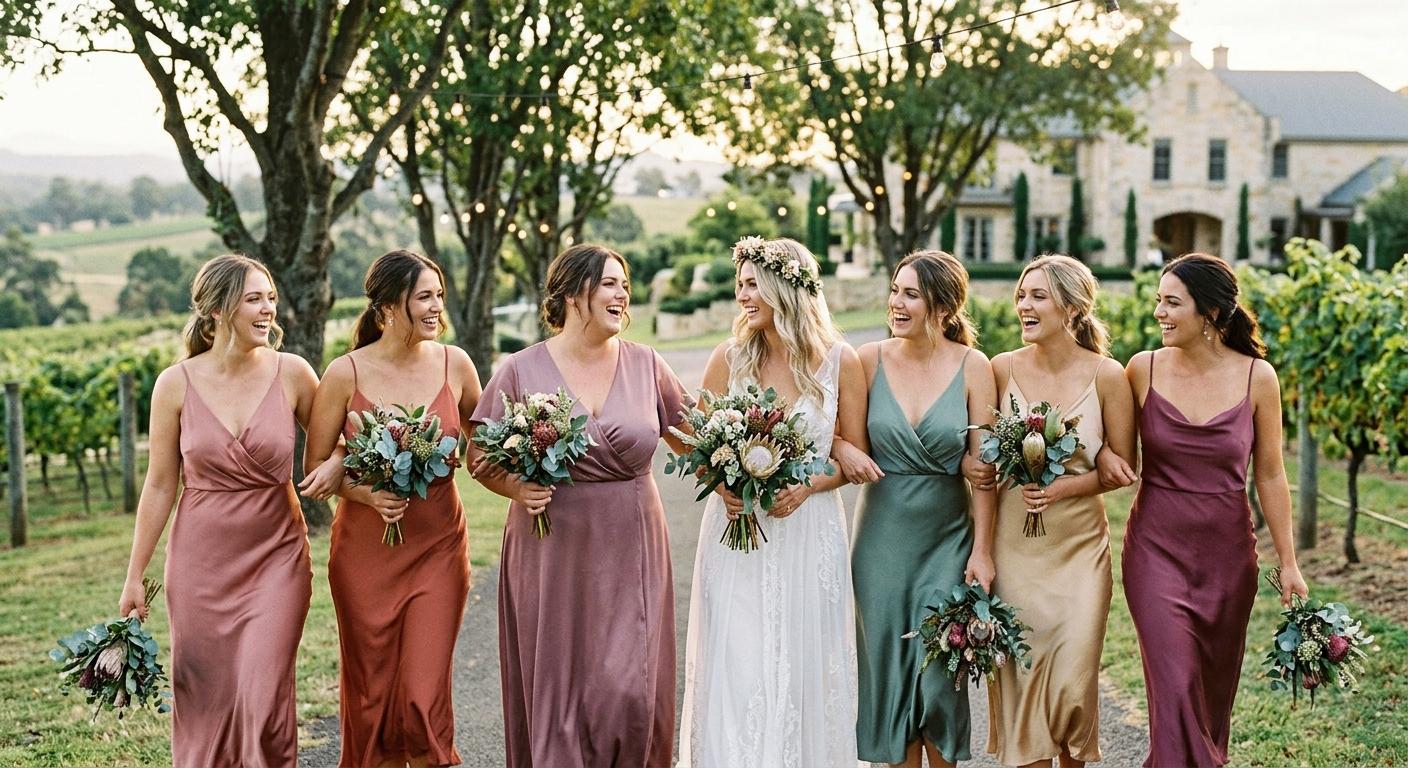
If you want the bridal party to look cohesive without forcing identical dresses, choose one colour family and allow slight variation in silhouette. That often looks more natural and more expensive than matching everything too rigidly.
One useful rule is to make the palette feel breezy, not washed out. Summer dresses should still have enough presence to stand up in photos. The best colours are the ones that feel alive in natural light and still look flattering in softer indoor spaces.
To refine the palette, browse the blog and collections together so you can see how colour, cut, and weather-friendly fabric interact.
Wedding style coverage from Martha Stewart Weddings often shows that summer palettes work best when they feel coordinated with the light rather than fighting it.
Best styles and cuts
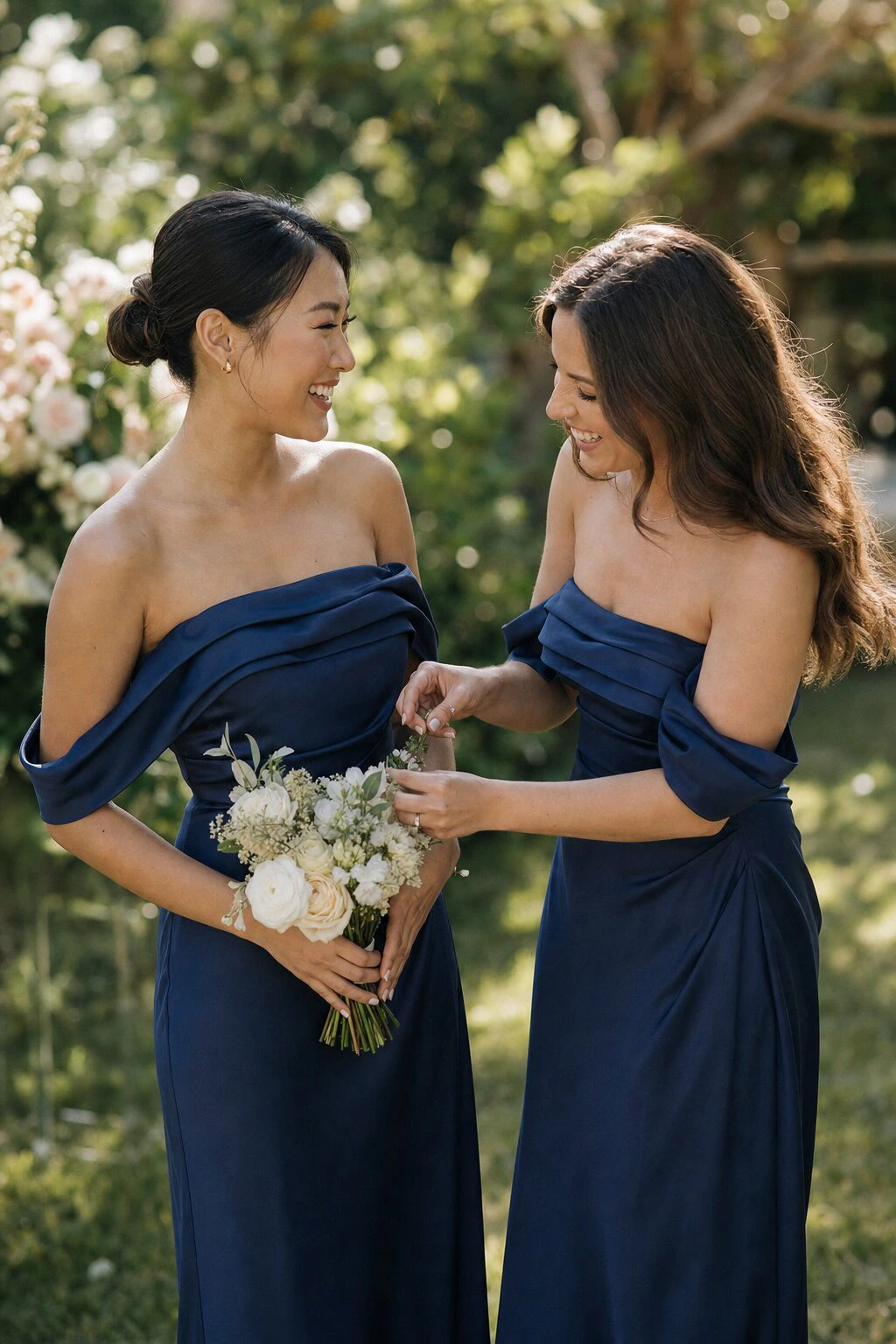
Summer bridesmaid dresses should feel open, easy, and graceful. The most reliable shapes are usually those that allow movement and keep airflow around the body. Strappy dresses, soft wraps, A-line cuts, and lightly fitted silhouettes are often ideal because they stay elegant without feeling restrictive.
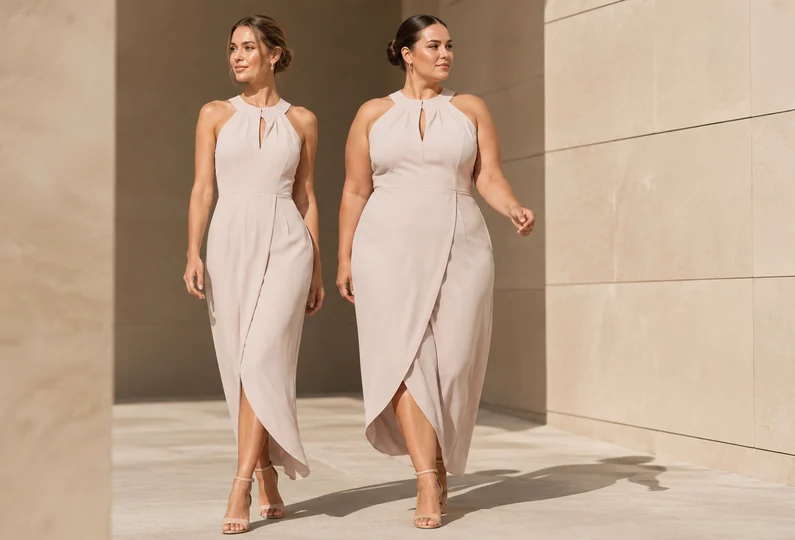
Wrap styles are especially useful in summer because they are flattering, easy to wear, and often adjustable. That flexibility is valuable when different bridesmaids have different body shapes or comfort levels. A dress that can adapt slightly tends to be a better summer choice than one that only works in a very narrow fit range.
Midi and floor-length dresses both work well depending on the venue. Midi styles can feel fresh and modern for garden or city weddings, while floor-length dresses often feel more formal and flowing. The right length depends on the mood of the wedding as much as the temperature.
Necklines should also support comfort. A design that feels open enough to breathe but still secure enough to move in will usually be the most successful. Avoiding excessive structure can help the dress feel softer and more wearable in heat.
Simple shapes are often the most versatile. A clean dress can be styled up with accessories, while a very complex dress may already feel too visually busy in summer sunlight. In warm weather, less is often more.
If you need a starting point while choosing, the bridesmaid dresses page and the broader collections are useful because they let you compare silhouettes quickly without losing sight of the season.
For additional fashion perspective, style coverage from Harper’s BAZAAR and Vogue regularly shows how summer bridal looks work best when the cut is light and the styling stays restrained.
Styling for comfort
Summer styling should keep the outfit looking complete without adding extra heat. Accessories matter, but they should not overwhelm the dress or make the bridal party uncomfortable. The easiest way to do that is to keep the styling light, coordinated, and practical.
Shoes should be chosen with the venue in mind. Strappy heels, block heels, wedges, or elegant flats can all work, depending on how much walking is involved. The goal is to avoid anything that will sink into grass, heat up too much, or make standing for long periods unpleasant.
Jewellery can stay minimal and still look beautiful. Small earrings, a simple bracelet, or one polished statement piece is usually enough. Summer weddings already have plenty of visual brightness, so the accessories should support the dress rather than compete with it.
Hair and makeup should also work with the weather. A softer style that can handle humidity, wind, or a long outdoor ceremony is often better than a highly structured look that needs constant touch-ups. Comfortable styling reads as more luxurious than fussy styling that only survives for the first hour.
Layers are still useful, but they should be minimal and breathable. If the wedding is likely to cool down in the evening, a light wrap or soft cover-up may be enough. Anything heavier should only be used if the venue or season really demands it.
Good summer styling is about preventing the dress from being overworked. If the dress is already strong, the extras can stay quiet. That often produces the best overall result.
For more support while finalising the styling plan, the blog and about us pages can help keep the visual direction consistent from one bridesmaid to the next.
Planning the full look
The best summer bridesmaid look is planned as a complete system rather than a series of separate purchases. Dress, shoes, accessories, and timing all need to work together if the bridal party is going to look polished in the heat.
Start with the wedding setting and the temperature you are expecting. A beach wedding at midday calls for a different approach than an evening garden wedding. Once that is clear, choose a dress that fits the setting and then style around it, not the other way around.
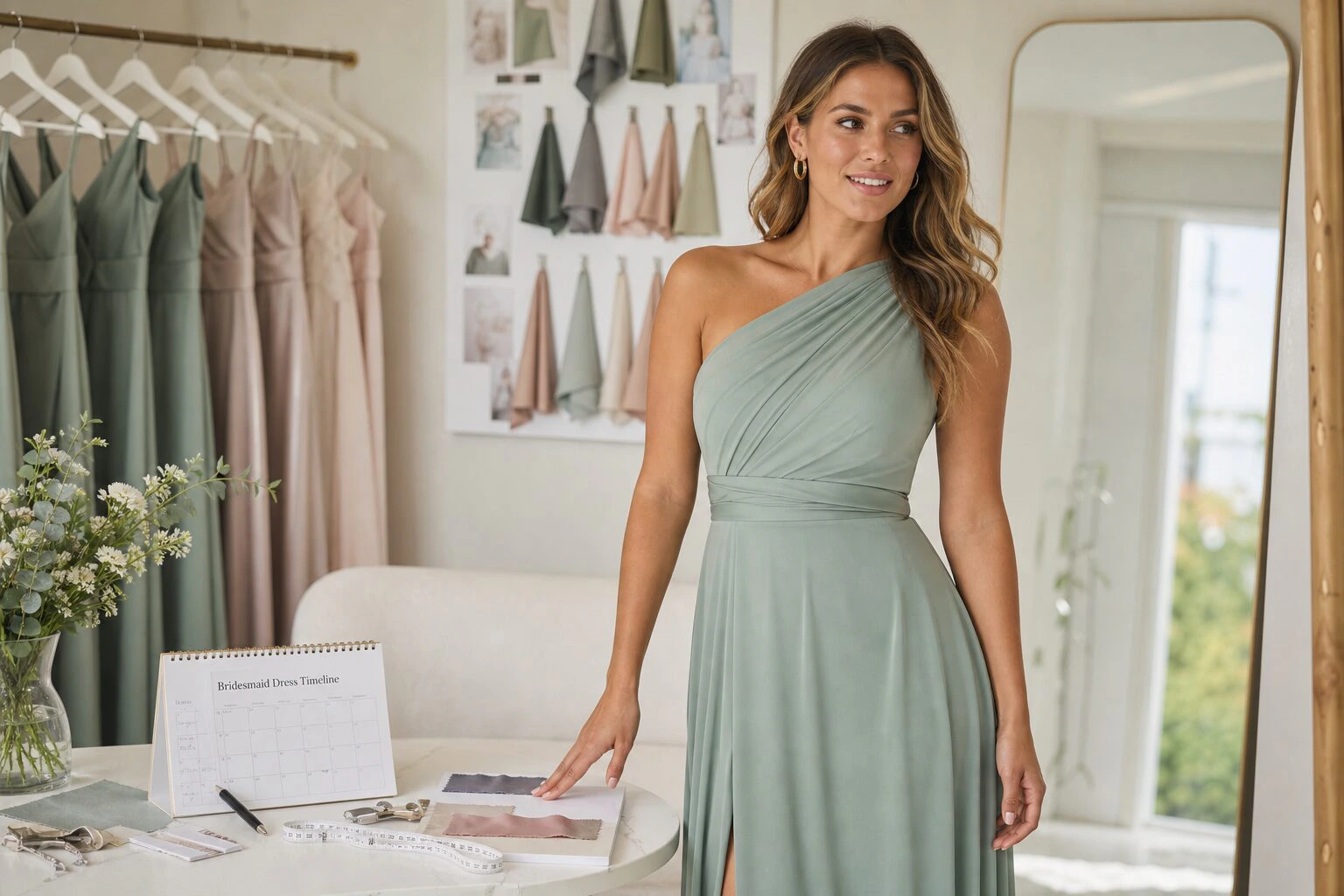
Give the bridal party enough time to order and try on the dresses. Summer often makes people assume they can leave decisions until later, but that is usually how rush fees and limited options happen. Early planning keeps the process calmer and cheaper.
It is also worth deciding how flexible the look should be. Some wedding parties will want matching dresses, while others will prefer coordinated but varied styles. Both can work in summer as long as the colour story and fabric feel intentional.
Budget still matters. A dress that seems affordable can become expensive if it needs extra tailoring, special shapewear, or elaborate accessories to make it work in hot weather. The smarter choice is the one that already feels right with minimal additions.
For a wider planning reference, the advice from Brides and The Knot is useful because both stress the value of comfort, cohesion, and good timing.
When you keep those basics in place, summer bridesmaid dresses become much easier to choose. The bridal party stays cool, the photos stay elegant, and the whole day feels more effortless.
Frequently asked questions
What fabrics are best for summer bridesmaid dresses?
Lightweight, breathable fabrics such as chiffon, crepe, airy satin, and lined flowing fabrics are usually the best choice. They help the dress feel comfortable in heat while still looking polished.
What colours work best for a summer wedding?
Soft blush, sage, sky blue, warm neutrals, coral, and other fresh tones often work beautifully. The best colour is the one that feels light, flattering, and consistent with the venue.
Should summer bridesmaid dresses be short or long?
Either can work. Shorter lengths can feel breezy for casual settings, while floor-length dresses often suit more formal events and still work well if the fabric is light enough.
How do I keep bridesmaids cool during a summer wedding?
Choose breathable fabric, avoid heavy layers, and keep accessories simple. Planning the dress around the venue, shade, and time of day also makes a big difference.