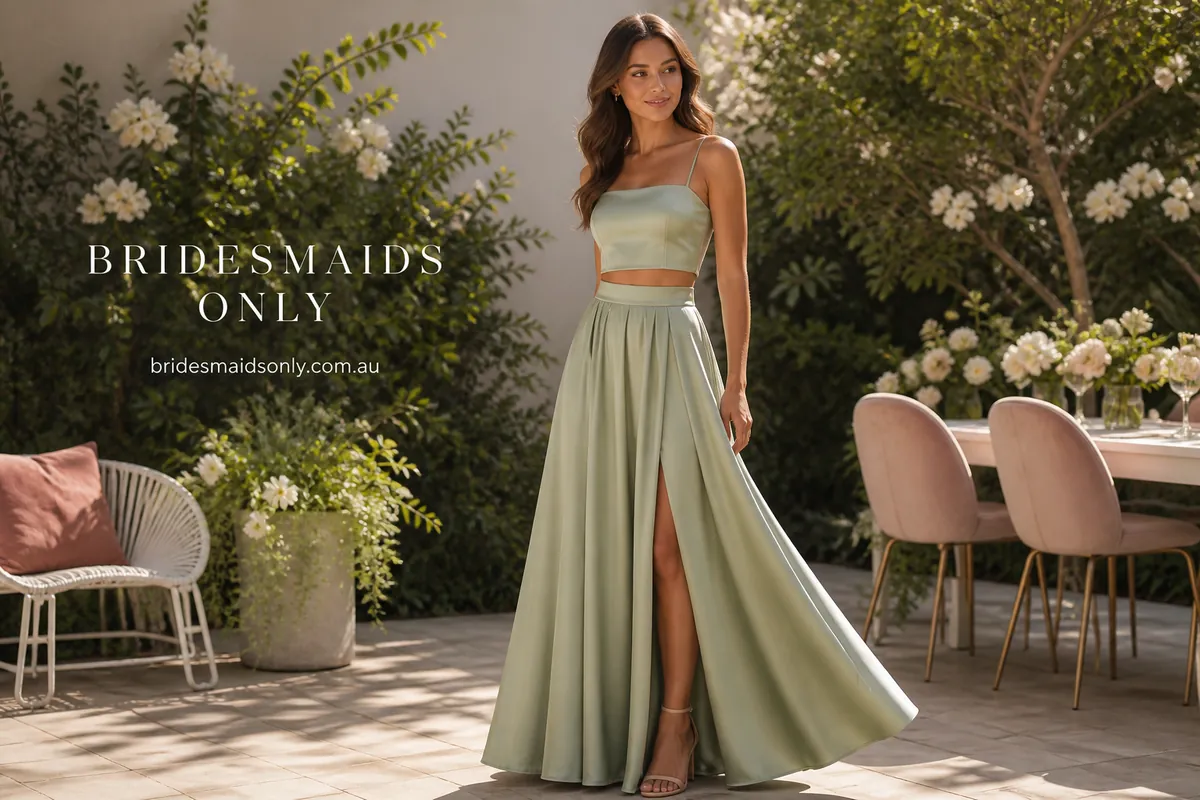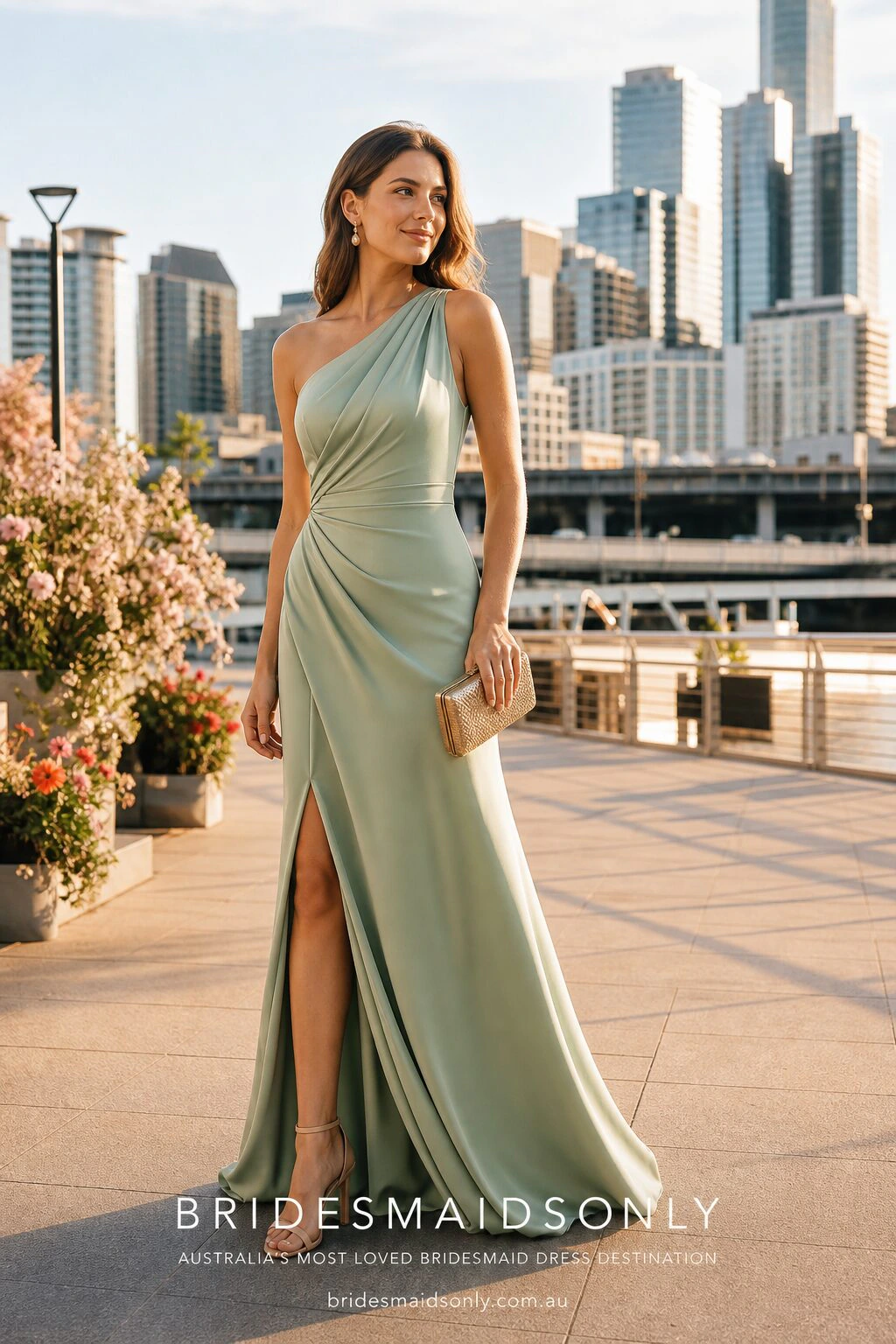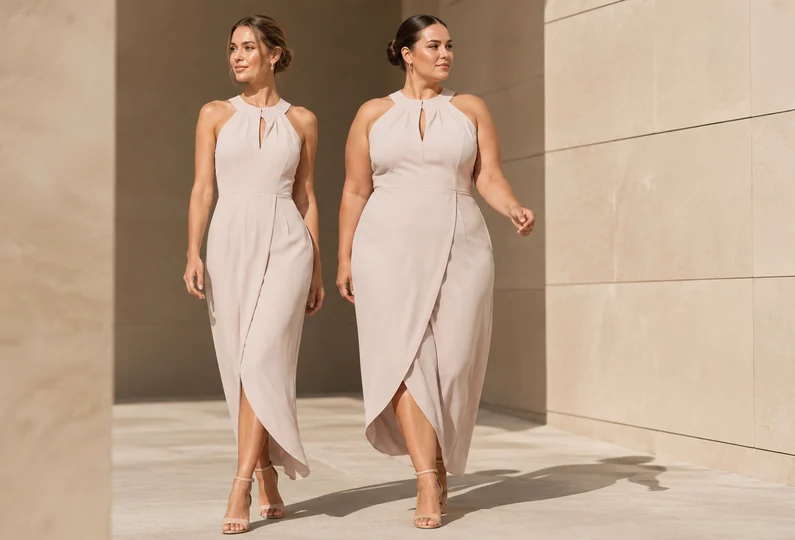
Bridesmaid Dresses for Destination Weddings in Australia
What Destination Dresses Need
Destination weddings are beautiful, but they ask more from bridesmaid dresses than a standard city wedding does. When the ceremony is on a beach, at a vineyard, in the tropics, or somewhere rural and remote, the dress needs to handle travel, heat, humidity, wind, and often a lot of time in a suitcase.
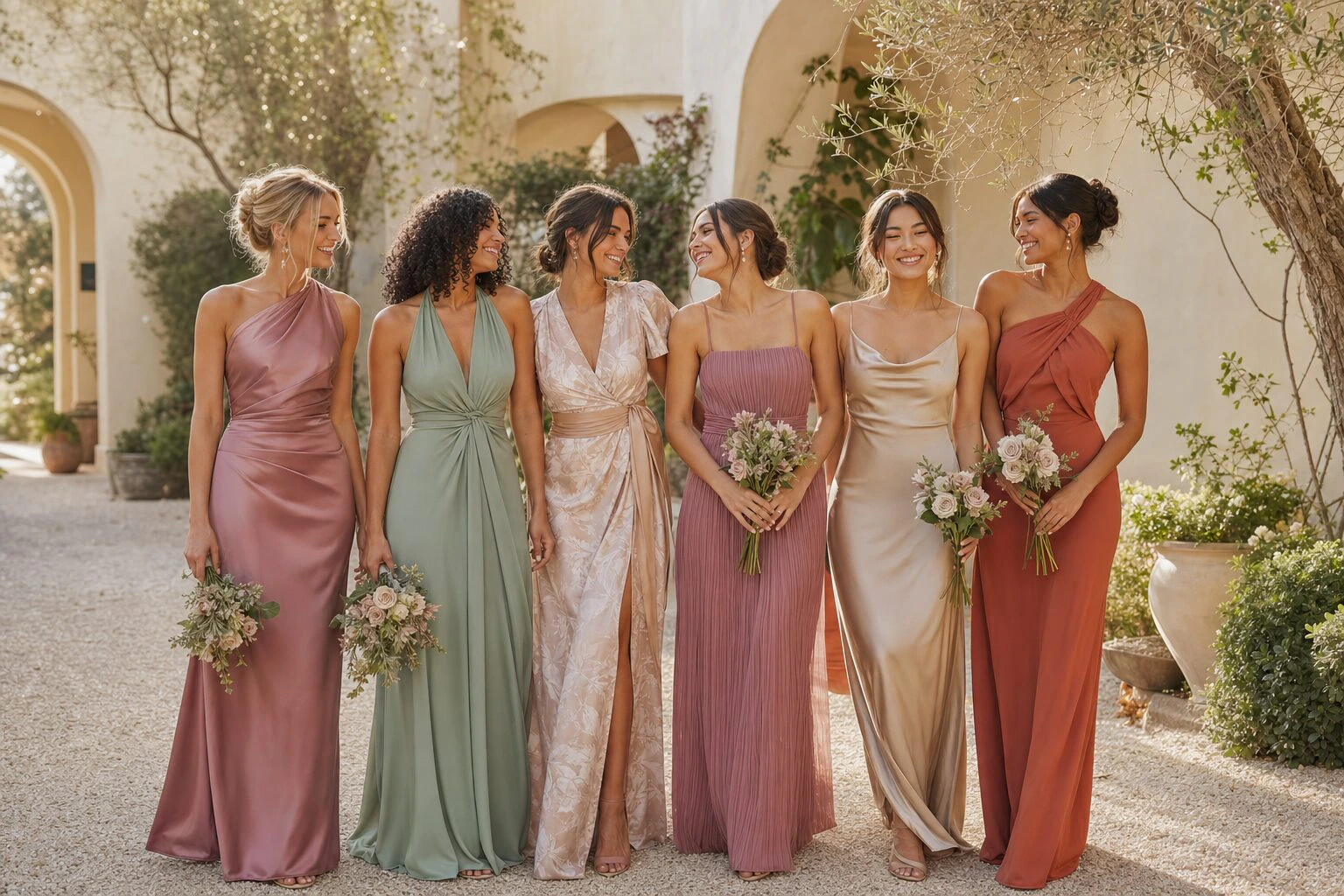
That is why choosing destination wedding bridesmaid dresses Australia is not just about colour and style. It is about finding something that photographs well, feels comfortable in the climate, and still holds its shape after a flight or a long drive. The ideal dress works hard before the wedding, during the ceremony, and on the dance floor after the sun goes down.
Australia makes destination planning even more interesting because the wedding might be in Far North Queensland one month and Margaret River the next. A fabric that behaves beautifully in a cooler indoor venue may feel too heavy in the heat, while a flimsy dress can wrinkle badly during travel. That is why it helps to think about the whole journey, not just the ceremony moment.
Start by looking at the venue and weather first, then choose the silhouette. If the wedding is outdoors, consider how the dress will move in wind, whether the hem will pick up sand or dust, and whether the bridesmaids can sit comfortably on uneven ground. If the wedding is in a tropical or coastal location, keep an eye on fabrics that feel light but still have enough structure to look polished.
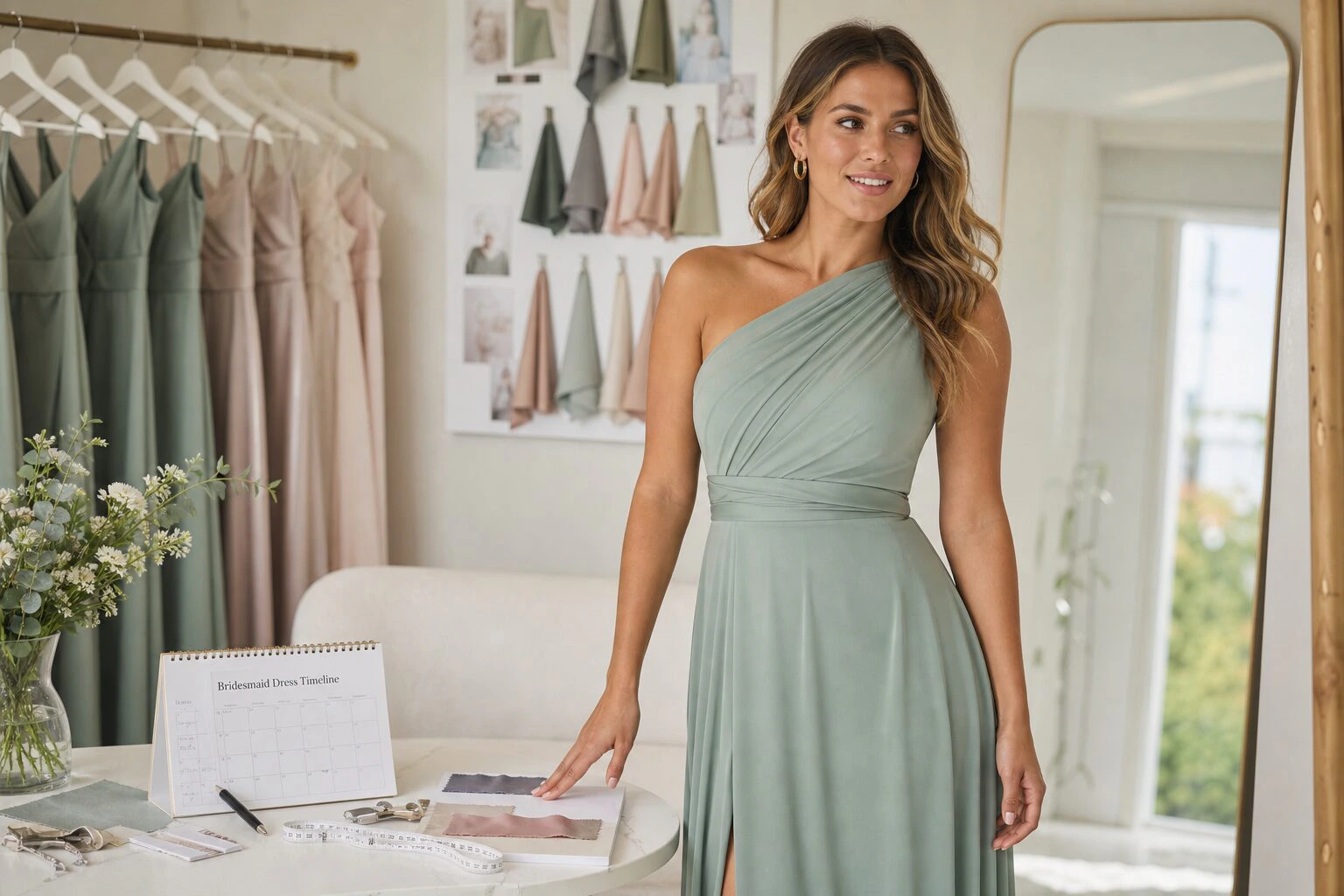
It also helps to keep the process simple for the bridal party. A shared mood board, a clear size guide, and a realistic fitting schedule make a big difference when bridesmaids are interstate or juggling travel plans. For style inspiration and practical planning help, browse our blog, explore the full collection, or head back to the homepage to see the latest range.
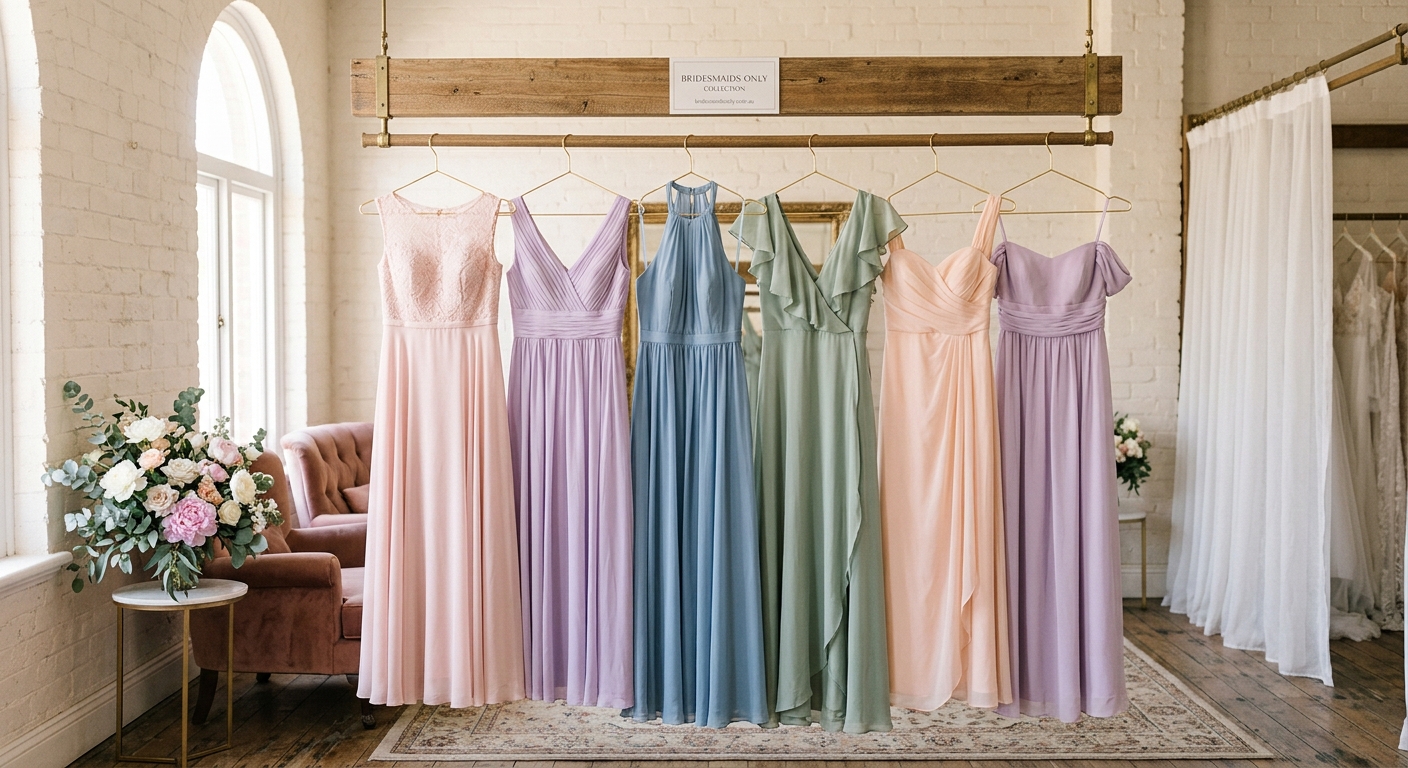
For broader destination-wedding planning advice, reputable external guides like Brides, The Knot, and Harper’s Bazaar Bridal are useful for trend ideas and planning context.
12–9 Months Before: Start Browsing
For destination weddings, the early browsing window matters even more than usual. Twelve to nine months out gives everyone enough time to compare styles, talk through logistics, and decide whether the dresses need to suit one venue, one climate, or a mix of locations across the wedding weekend.
Use this time to define the practical brief. Is the wedding on sand, grass, marble, or decking? Will the ceremony be in the heat of the day or in the cooler evening? Are there one or two main colours, or are you building a full soft-toned palette? Once those questions are answered, it becomes much easier to choose dresses that work with the setting instead of fighting it.
For Australian destination weddings, travel is a big part of the conversation. Bridesmaids may be flying in, driving long distances, or packing dresses into carry-on luggage. That means wrinkle resistance, easy steaming, and stable fabrics become much more important than they might be for a local wedding. A dress that looks stunning but creases heavily can create unnecessary stress right before the ceremony.
This is also the perfect stage to compare styles on different body types. Some dresses look amazing in photos but offer little flexibility when one bridesmaid needs a more forgiving waistline or another wants extra bust support. Browsing early gives you space to be selective rather than reactive.
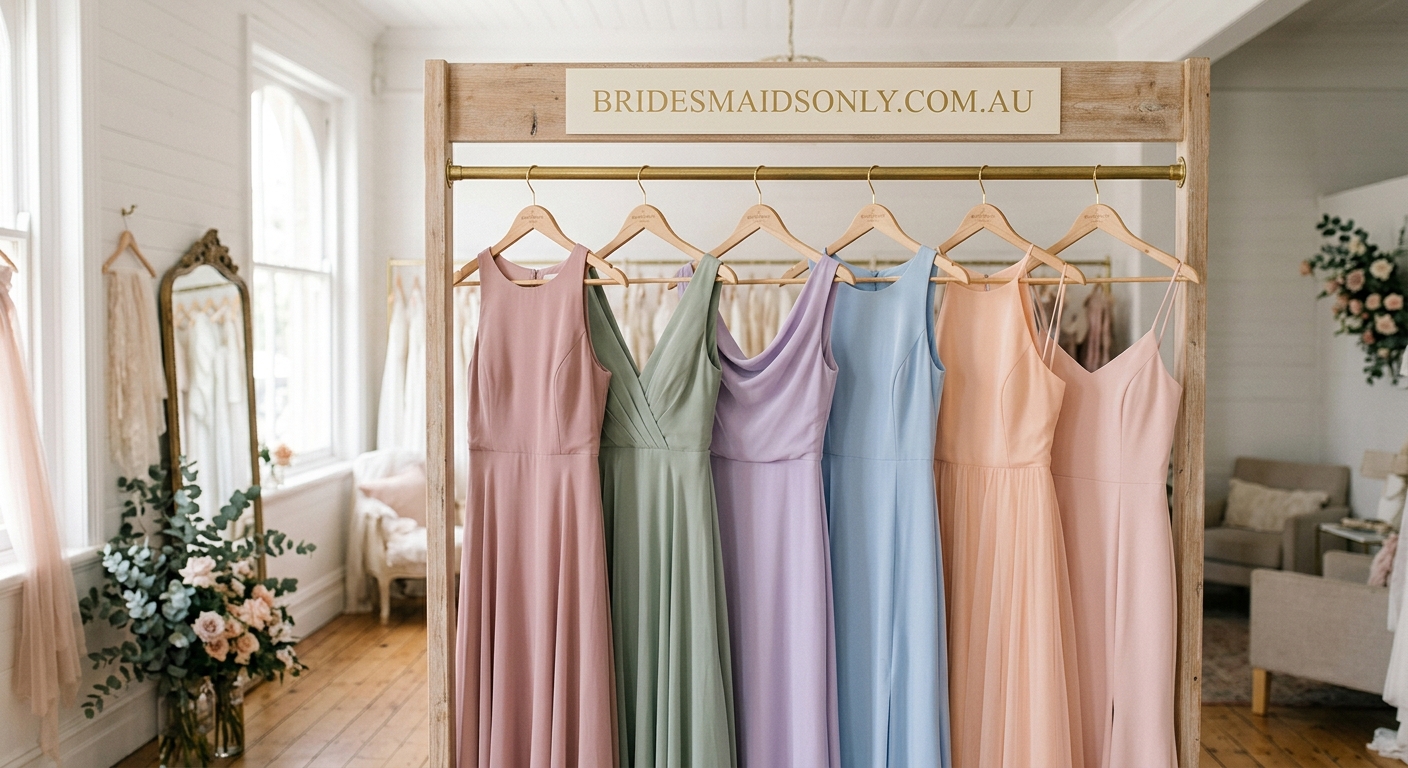
If you want to keep the process organised, build a shortlist and then revisit it after a few days. That pause helps the bridal party focus on what actually works instead of chasing the newest favourite. If you need a neutral place to review options, about us explains the brand direction, and bridesmaid dresses gives you a direct path into the range.
For planning references outside the brand, Brides’ destination wedding guidance and The Knot’s destination wedding tips are helpful starting points when you are shaping the wider event.
8–6 Months Out: Place Your Order
Once the style is chosen, move into ordering as soon as possible. Eight to six months before the wedding is a strong target because it allows time for production, shipping, exchanges, and any unexpected delays — all of which matter more when the wedding itself is tied to travel.
At this stage, accurate sizing is the priority. Bridesmaids should use the brand’s size guide, not their usual street size, and any measurement check should be done carefully. If the wedding party is spread across different cities or countries, it is worth setting one date for measurements so everyone is working from the same reference point.
Ordering early also creates room for dress codes that need a little tailoring logic. If the ceremony is outdoors, you may want lighter movement in the skirt and enough length to handle sandals or low heels. If the event is formal, the dresses might need a bit more structure to balance the setting. Either way, the earlier the order goes in, the easier it is to fine-tune those details without panic.
Destination weddings often involve a lot of shipping and packing, so it helps to think one step ahead. Will the dresses be delivered to each bridesmaid individually, or will they all go to one central address? If someone is flying in, do they need the dress earlier so they can handle alterations at home? Does anyone need a second delivery because they are moving between locations? Those questions sound small, but they make a big difference later.
This is also a good time to coordinate the rest of the bridal party styling. A dress in the right tone can be let down by mismatched shoes, bags, or jackets, so keep the whole visual story in mind. To keep your shopping simple, use shop all to compare options, and check the blog for ideas on styling and wedding-day prep.
4–3 Months Out: Fittings and Alterations
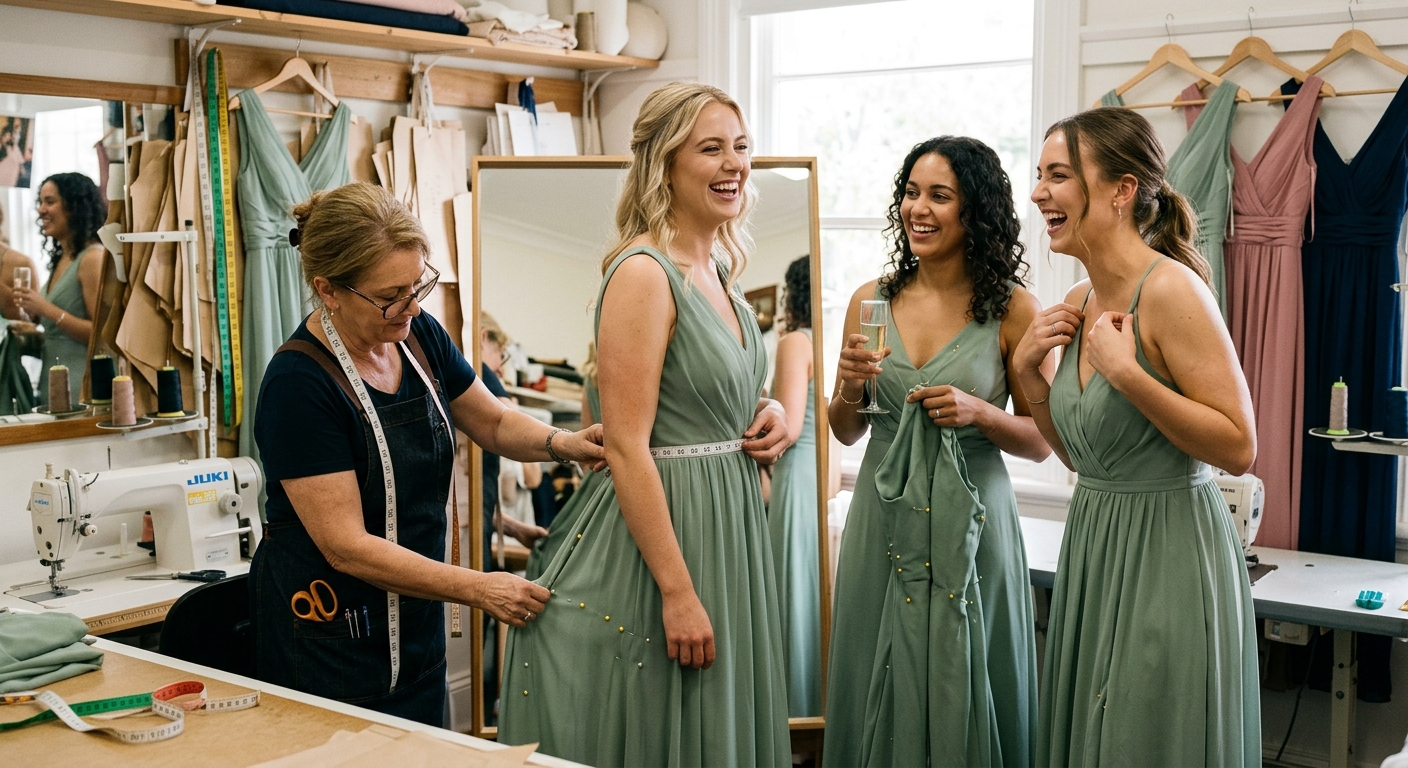
By four to three months out, the dresses should be arriving and the first fittings can begin. This is the point where the bridal party learns whether the original sizing works on real bodies, in real shoes, with real movement. It is also the best time to make sensible alterations before the wedding week gets busy.
For destination weddings, fittings often need a little extra planning because not everyone can attend the same appointment in the same place. If bridesmaids are scattered across the country, make sure each person knows when to try the dress on and what to check. The goal is not just to make the dress fit, but to make it travel well and still look refined after packing.
Alterations may be simple or more involved depending on the dress shape. A hem that is right for flat sandals might be too long with heels. A strap that looks elegant on a hanger may sit too loose after a long day in warm weather. Even a small adjustment can improve the overall look enormously, especially when the venue is outdoors and every detail shows.
Comfort is a major part of the decision too. Bridesmaids need to walk on sand, grass, or uneven ground, and they need enough ease to move through the day without constantly fixing their outfit. A dress that fits beautifully but makes it hard to sit, dance, or walk up steps will not serve anyone well.
This is also where the wedding style should stay consistent. If the bride wants soft, romantic tones for a coastal location, the fittings should confirm that the final look still reads that way once the dress is altered. If the venue is lush and tropical, the silhouette should still feel light enough to suit the surroundings. Destination weddings reward coherence, so use this stage to make sure the details support the setting.
If you need a visual reference for accessories and finishing touches, keep about us and the main homepage handy while you refine the final look.
2–1 Months Out: Final Fittings and Accessories
Two to one months before the wedding, everything should be close to final. This is the time for the second fitting, the accessory check, and the practical decisions that make the dress feel wedding-ready instead of almost-ready.
Bring the full outfit to the fitting if possible: shoes, jewellery, undergarments, and any wrap or cover-up the bridesmaid plans to wear. In a destination setting, this matters because the environment can change the look of the dress. Heels might sink into soft ground, wind may affect the drape, and hotter weather can change what feels comfortable for the whole day.
It is also worth checking how the fabric behaves after travel. A dress that has been packed for a flight or a long drive may need steaming or a quick refresh before the wedding. That is normal, but it is one more reason to avoid leaving the final try-on until the last minute. The more familiar the bridal party is with the garment, the less stressful the week of the wedding becomes.
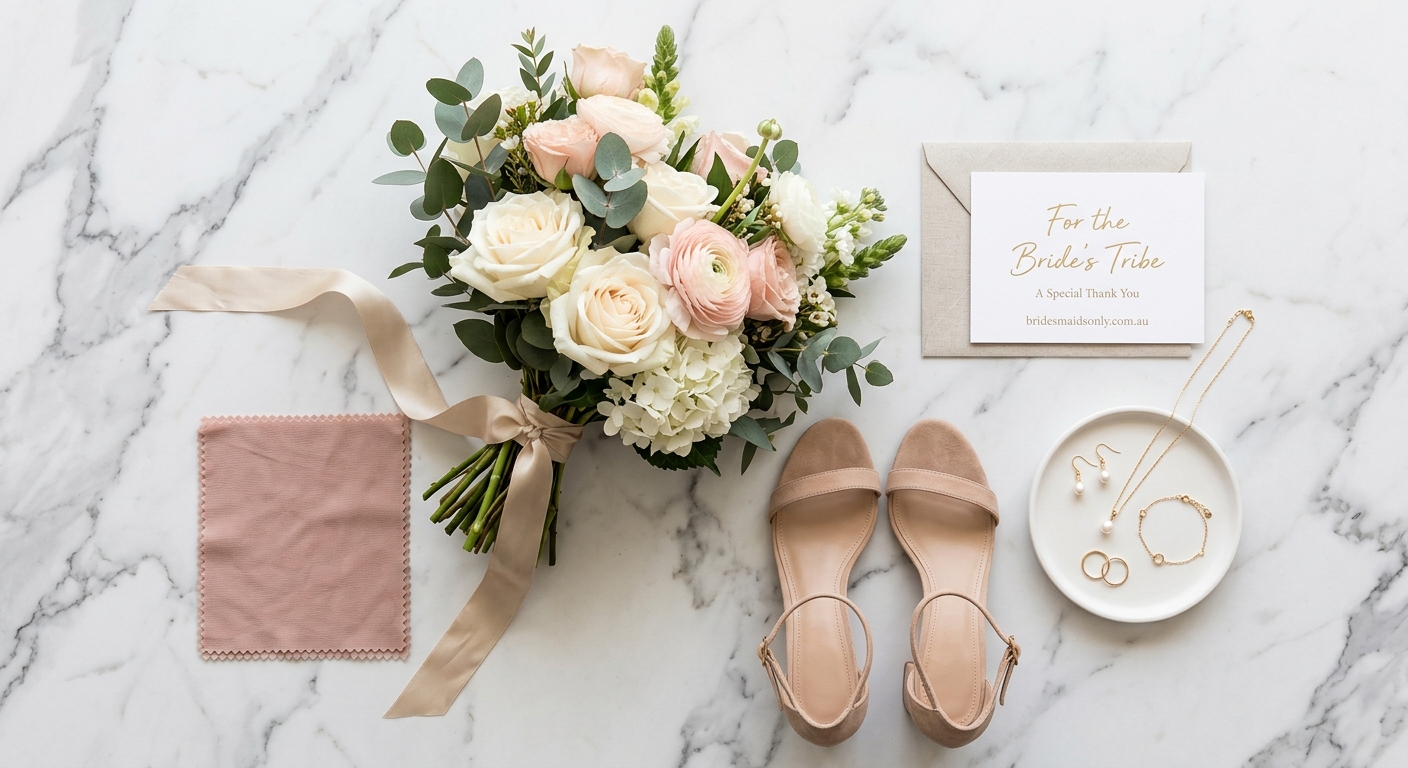
Accessories should be chosen with the destination in mind. For a beach wedding, simple jewellery and secure shoes may be the smartest choice. For a vineyard or garden wedding, soft metallics or natural textures can complement the setting beautifully. The key is not to overcomplicate the final styling — every item should support the dress and the location.
By this point, the group should also have a packing plan. Who is carrying the dresses? Are they travelling in garment bags? Will they be steamed on arrival? Is there a backup plan if the weather changes? A clear answer to those questions saves a lot of last-minute scrambling.
For more inspiration and product ideas, it is worth revisiting bridesmaid dresses, the broader collection page, and our blog for helpful wedding content.
For outside planning references, Brides’ wedding party advice and Harper’s Bazaar wedding fashion coverage are useful for styling context and presentation ideas.
The Week Before: Last-Minute Checklist
The week before a destination wedding is about protecting the work already done. At this stage, the dresses should be finished, the accessories should be packed, and the bridal party should be focused on logistics rather than experimenting with styling.
Do one final inspection of each dress. Check the hem, the closure, the strap fit, and any areas that may need a steam or a tiny repair. If the dresses have travelled, hang them properly and let the fabric settle before the ceremony. If they have not travelled yet, pack them in a way that reduces creasing and keeps everything easy to access.
Destination weddings also reward a small emergency kit. Fashion tape, safety pins, a sewing kit, stain remover wipes, and heel grips can handle the little surprises that always seem to arrive when people are busy or away from home. None of those items are glamorous, but all of them are helpful.
It is also smart to re-check the weather and transport plan. A windy coastline, humid tropical afternoon, or hot inland venue can change how the dresses feel by the time the ceremony starts. If the bridal party knows the backup plan ahead of time, the day feels much calmer.
Finally, confirm that every bridesmaid knows where her dress is, when to wear it, and who is responsible for steaming or transporting it. A destination wedding works best when the visual side is already settled before the group arrives. That way, nobody is debating details when they should be enjoying the trip.
When the timeline is handled well, destination wedding bridesmaid dresses in Australia become one less thing to worry about. The bridal party looks cohesive, the venue shines, and the whole experience feels more like a celebration than a logistics exercise.
Frequently Asked Questions
How far in advance should I order bridesmaid dresses?
A good target is 8–6 months before the wedding, especially for destination events where shipping and alterations can take extra time. If the bridal party is spread out or the wedding is in a remote location, ordering even earlier gives you more breathing room.
Can I rush-order a bridesmaid dress?
Sometimes you can, but it is better to treat rush orders as a backup rather than the plan. Rush ordering usually means higher costs and less time for fittings, which is not ideal when the wedding involves travel or a warm outdoor setting.
How many fittings do bridesmaids usually need?
Most bridesmaids need one to two fittings, depending on the dress style and how much tailoring is required. Structured or long dresses often need a second check after alterations, while more flexible styles may only need one careful fitting.
What if a bridesmaid is pregnant or might change sizes?
Choose a style that allows room for flexibility and plan for a later alteration rather than forcing an early final fit. It is usually safer to size for the larger measurement so the dress stays comfortable as the wedding date gets closer.