The Complete Bridesmaid Dress Timeline: When to Order, Fit, and Finalise
What Is a Bridesmaid Dress Timeline and Why It Matters
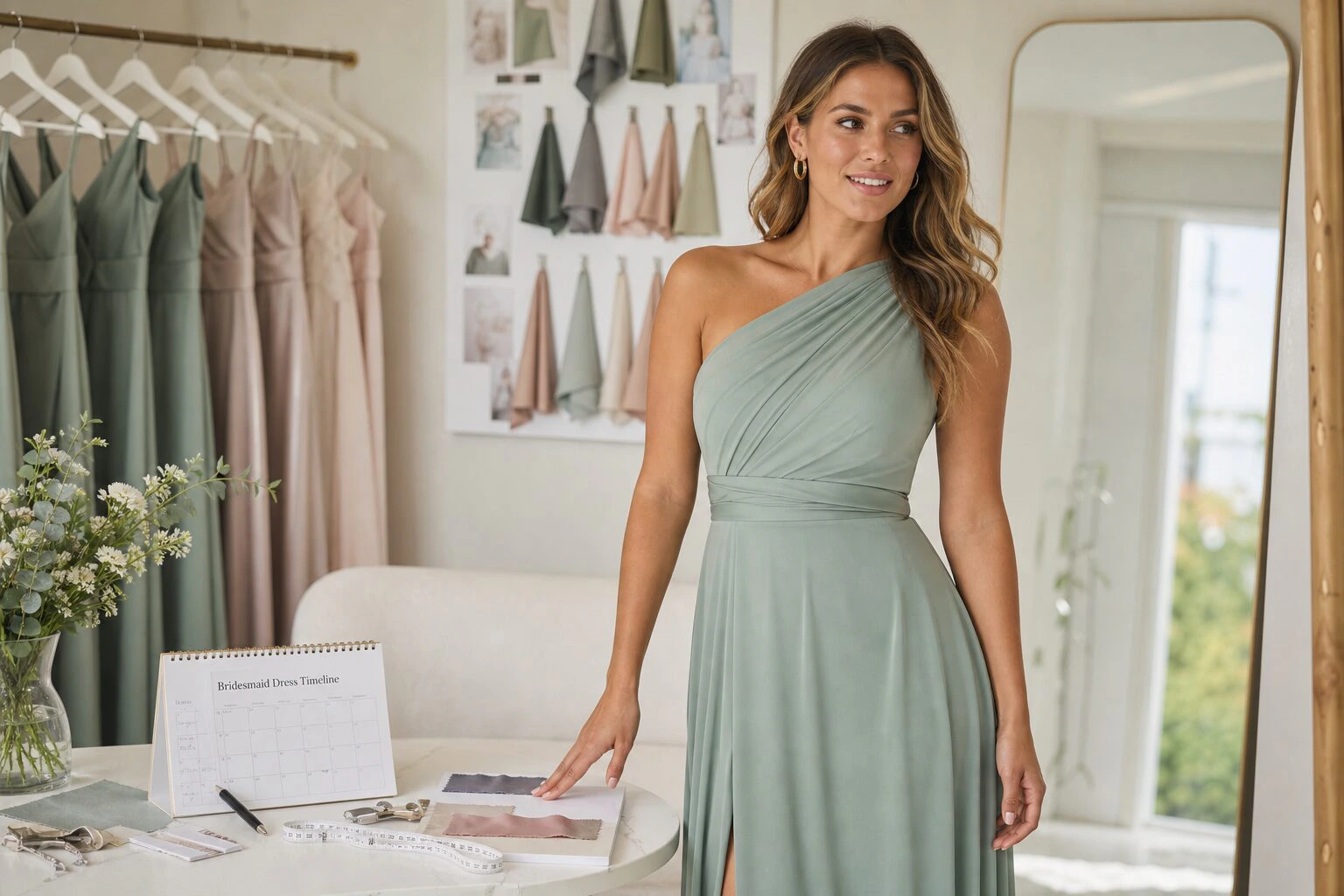
A bridesmaid dress timeline is the planning window that helps your bridal party move from inspiration to final outfit without last-minute panic. It covers browsing, ordering, fitting, alterations, and final styling so everyone arrives on the wedding day confident and comfortable.
That timeline matters because bridesmaid dresses are rarely a same-week purchase. Dresses can need special ordering, shipping time, and alterations, and every bridesmaid brings a different schedule, body shape, and comfort level into the process. A clear plan keeps decisions moving and reduces the risk of rushed fees, limited sizing, or avoidable stress.
If you’re building a calm, coordinated bridal party experience, this is one area where starting early pays off. It also gives you room to browse bridesmaid dresses together, compare silhouettes, and choose something that suits the wedding vision rather than settling for what happens to be available at the last minute. For broader planning tips and styling inspiration, our blog is a good place to start, and the homepage makes it easy to jump into the latest collections.
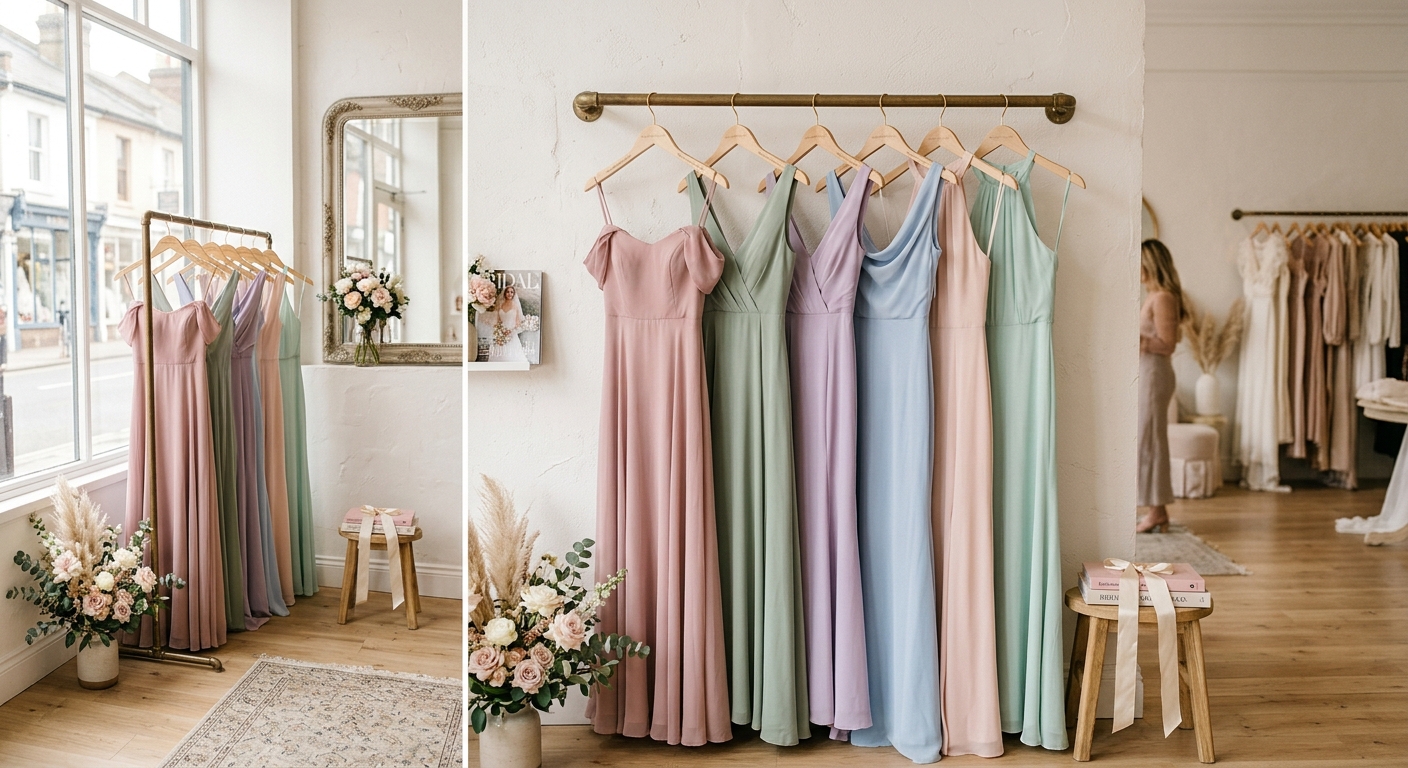
When everyone understands the sequence, the whole process feels easier. The bride gets consistency, the bridesmaids get clarity, and the tailor gets enough time to do proper work instead of emergency fixes.
12–9 Months Before the Wedding: Start Browsing
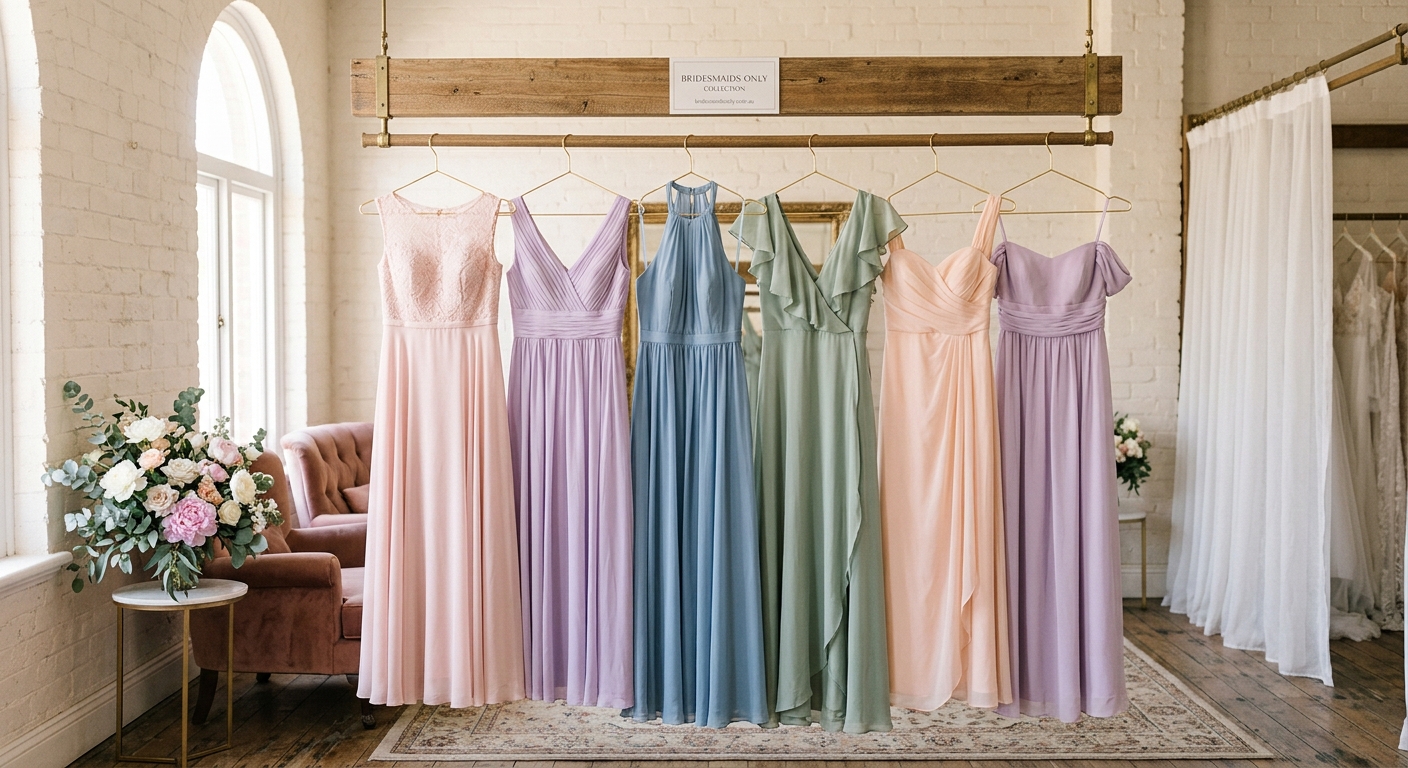
This is the ideal window to begin browsing styles, colours, and fabric options. At this stage, you are not trying to finalise the purchase — you are gathering a shortlist that fits the wedding mood, venue, season, and budget.
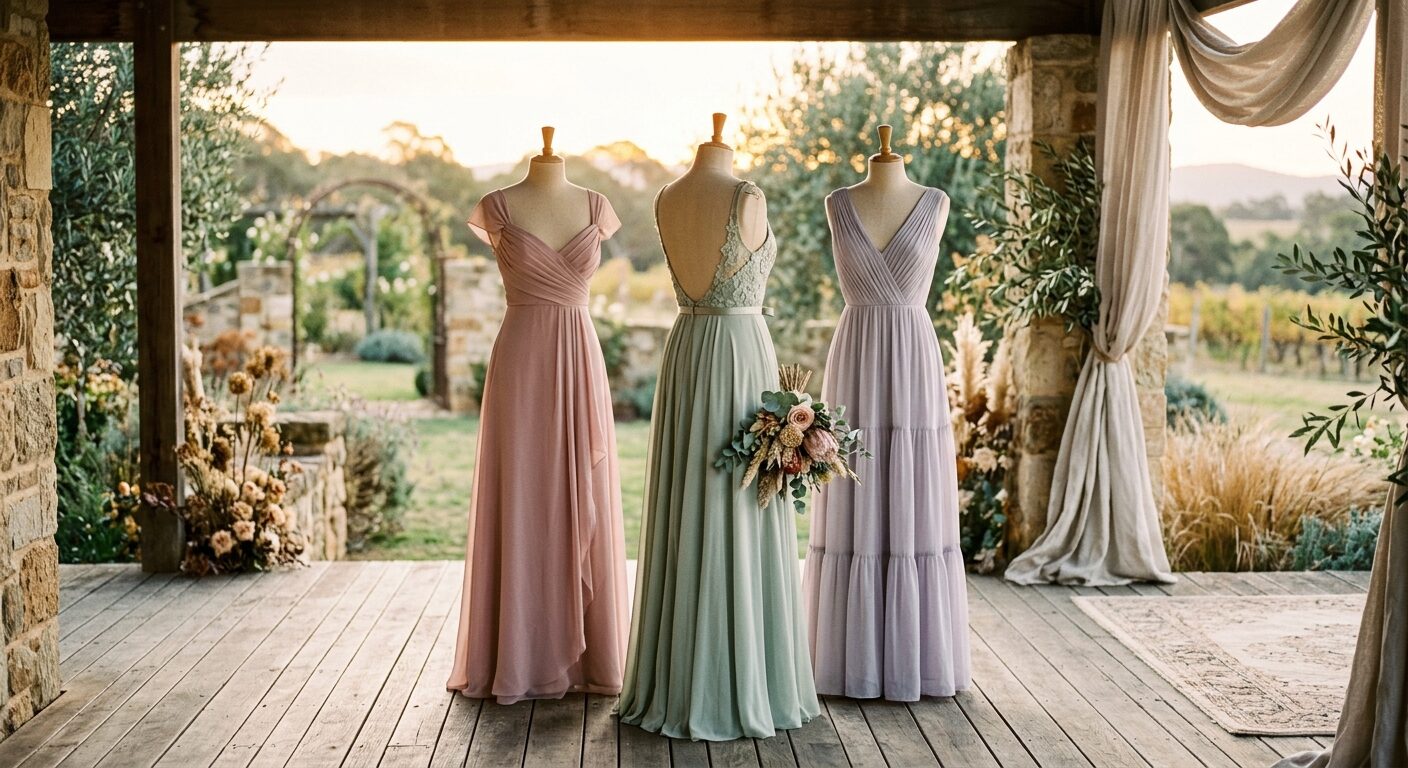
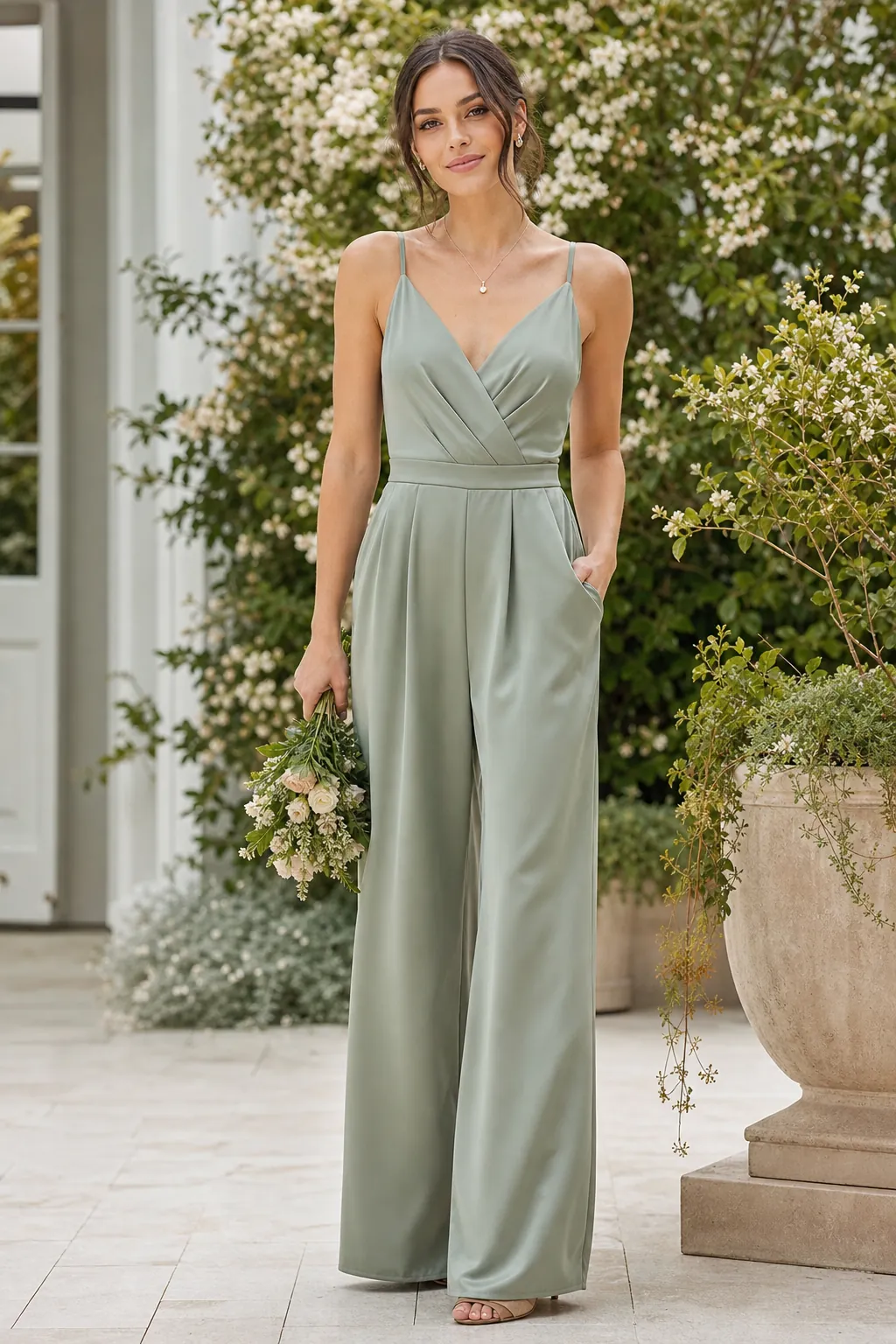
Start by confirming the basics: the wedding date, the dress code, the colour palette, and whether all bridesmaids will wear the same dress or a coordinated mix. Once those decisions are set, browse silhouettes together and look at what photographs well in the type of light and setting the ceremony will have. A garden wedding, for example, may call for softer fabrics and lighter movement, while a formal evening wedding can support something more structured and polished.
It helps to think about the whole bridal party, not just the aesthetic. Are there different heights to consider? Will anyone need maternity-friendly cuts? Is anyone travelling interstate and needing extra time for shipping or fittings? These questions are worth answering early because they affect what styles are realistic.
Use this stage to collect screenshots, compare notes, and narrow choices to a manageable shortlist. If you want a simple place to shop and compare, shop all and save favourites before asking the group for feedback. It is also smart to look at the brand’s about us page so bridesmaids understand the style direction and service expectations before committing.
For planning context beyond your own bridal party, reputable wedding publications such as Brides and The Knot are useful for trend ideas and wedding-party etiquette. If you want a broad industry perspective on bridesmaid styling, Harper’s Bazaar Bridal often covers fashion-forward options that help shape the overall look.
8–6 Months Out: Place Your Order
Once the style is chosen, the next step is to place the order with enough buffer for production and delivery. Eight to six months out is the sweet spot for most weddings because it leaves time for shipping delays, exchange needs, and alterations without crowding the final month.
This is the stage where consistency matters most. Make sure each bridesmaid has confirmed her size based on the sizing guide, not just her usual streetwear size. Dress sizing can vary from brand to brand, and if the dress is being made to order, the measurements should be taken carefully and checked twice before submitting anything.
It also helps to lock in the accessories plan at the same time. Shoe height changes hem length, the neckline affects necklace choices, and the final colour story should still feel cohesive with bouquets, suits, and the rest of the wedding palette. You do not need every detail finalised today, but you do need the dress ordered and the plan for accessories heading in the same direction.
If you are coordinating multiple bridesmaids across locations, give yourself extra time. Remote bridal parties often discover that one person needs a second postage round or a different alteration schedule, and those small delays can snowball quickly. A strong bridesmaid dress timeline absorbs those hiccups before they become problems.
For couples wanting to stay organised, a helpful habit is to set one internal deadline a week before the actual order cut-off. That way, any forgotten measurement, payment issue, or approval delay can still be handled without pushing into rushed processing.
4–3 Months Out: First Fittings and Alterations
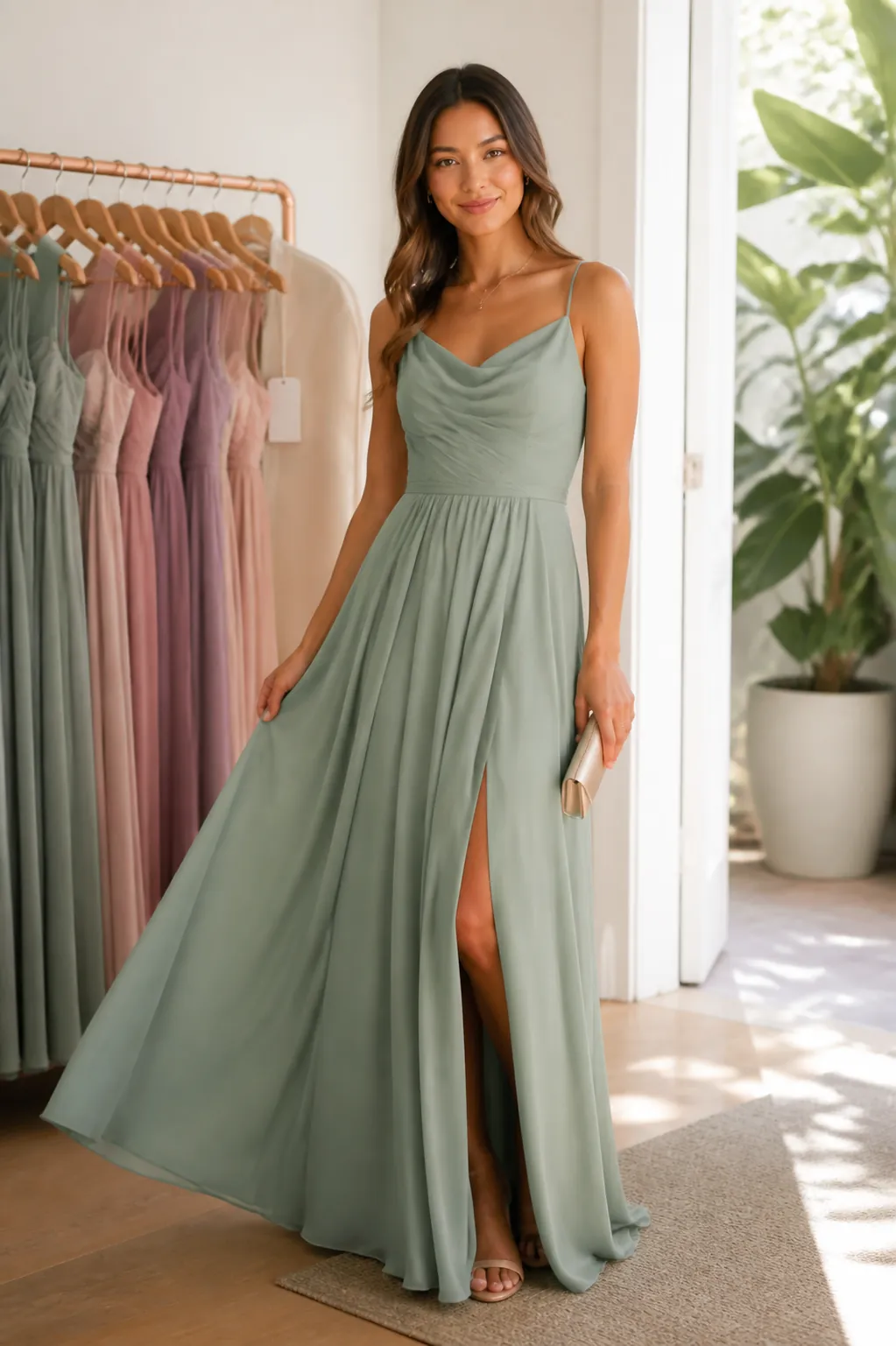
By the four-to-three-month mark, dresses should be in hand or on the way, and fitting appointments can begin. This is the window when you spot what needs adjusting: strap length, bust shaping, hem length, waist fit, or any styling changes needed to make the dress sit properly on each body.
One fitting is sometimes enough for simple styles, but many bridesmaids will need a second look after alterations. That is why you should never leave the first fitting until the last few weeks. A dress that looks nearly perfect on the rail can still need quite a bit of tailoring once it is on a real body, especially if it is long, structured, or made from a fabric that does not stretch much.
This is also the point where the bridal party’s comfort becomes just as important as appearance. Bridesmaids should be able to sit, walk, dance, and breathe comfortably. If someone is between sizes, it is usually better to plan for a slightly larger fit and have it tailored down rather than gambling on a tighter size that may not allow movement.
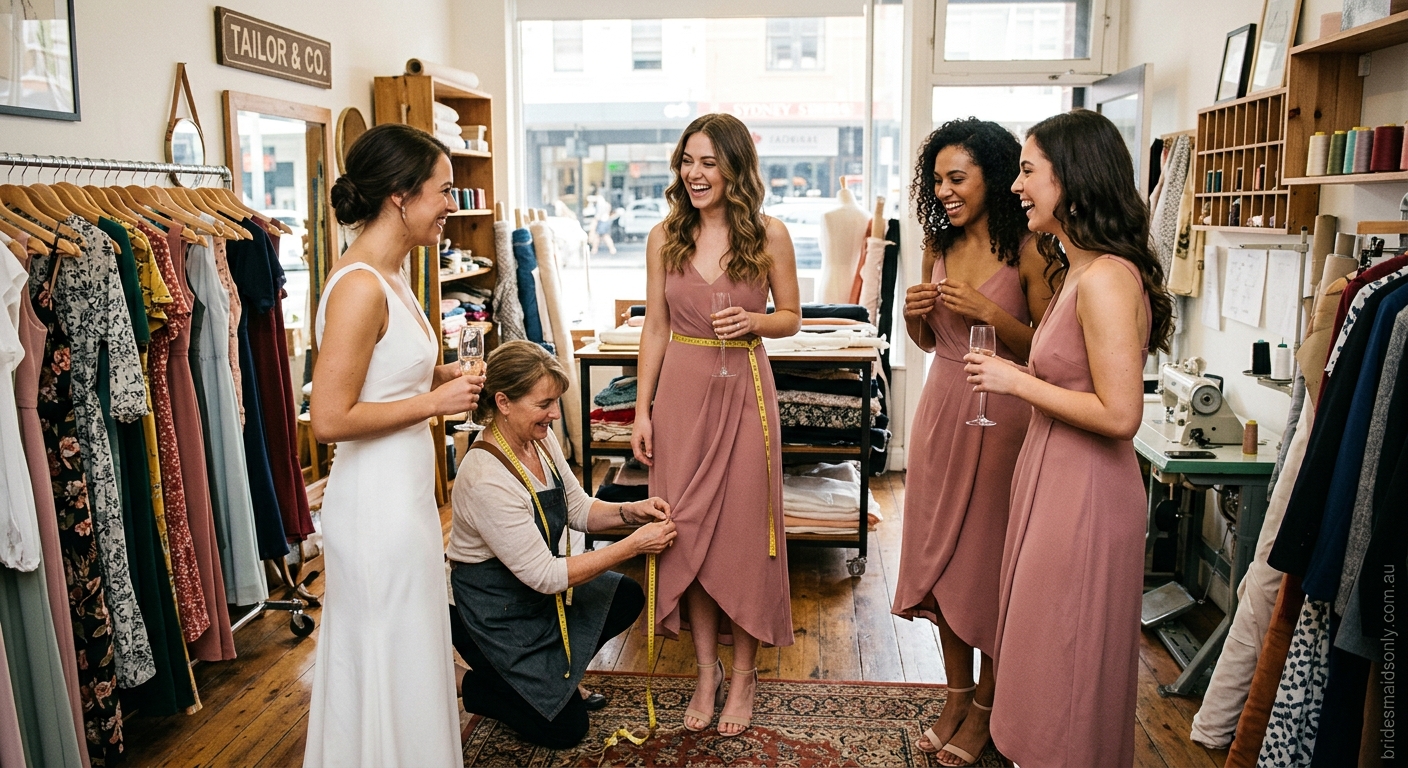
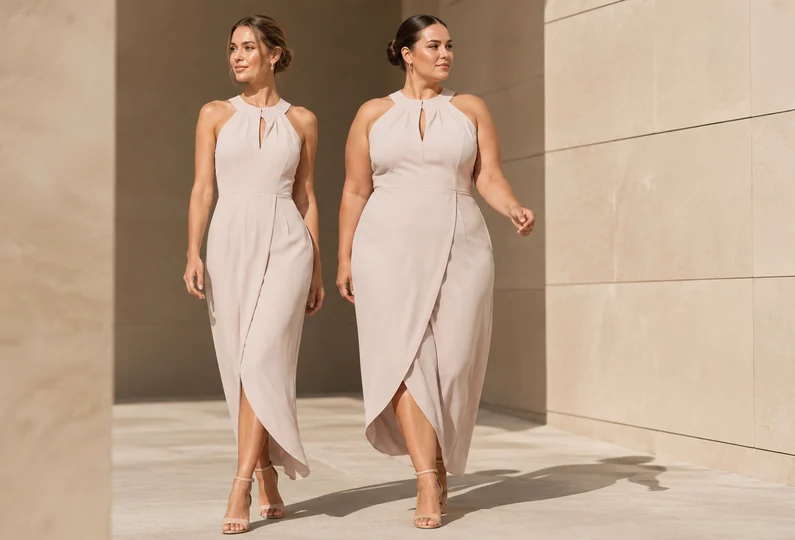
If the bridal party includes different body types, make the fitting process collaborative and matter-of-fact. People relax when the tone is practical: this is about fit, proportion, and comfort, not judgment. You can also keep communication simple by asking each bridesmaid to bring the right shoes, undergarments, and any shapewear or support pieces they plan to wear on the day.
When you are close to finalising the look, check that the full outfit still reads well in photos. A dress can fit beautifully in person but look off if the neckline, hem, or sleeve length feels unbalanced. This is why tailoring is not just a technical step — it is part of the visual polish that makes the bridal party look intentional.
For more styling ideas and bridal party coordination support, visit our bridesmaid dress collection and the blog for helpful planning content.
2–1 Months Out: Final Fittings and Accessories
Two to one month before the wedding is the final refinement stage. The dresses should now be fitted, the alterations should be nearly complete, and the bridal party should be checking the little things that make everything feel finished.
This is the best time to do the final fitting with full accessories. Shoes, jewellery, and underlayers can change how a dress sits, so it is worth checking the whole look together instead of assuming the earlier fitting is enough. If anyone is wearing a different heel height than expected, or if the hem was altered before shoes were chosen, there may still be time for a small adjustment.
It is also a good time to confirm backup plans. A spare heel grip, fashion tape, stain remover pen, and a tiny sewing kit can save the day if anything shifts at the last minute. These items do not need to be glamorous — they just need to exist.
From a styling point of view, this is when the bridal party should stop making major changes. The palette, accessories, and hair-and-makeup plan should all feel settled. The more decisions you lock now, the less likely someone is to arrive at the wedding still debating shoe colour or jewellery style.
If you want to keep the whole process easy to reference, this is the stage where a shared bridal party checklist works well. One central note with everyone’s fitting status, shoe height, and alteration updates can prevent the classic “I thought someone else was handling that” problem.
For couples mapping the final styling details, quality wedding resources like Brides’ wedding party guidance and The Knot’s bridesmaid dress tips are useful for last-mile decision-making. If you are still comparing options or styling direction, about us and the homepage can help you stay within the brand’s range.
The Week Before: Last-Minute Checklist
The week before the wedding is not for reinventing anything. It is for confirming, packing, and calmly checking off the final details. At this stage, every dress should be final, every accessory should be ready, and every bridesmaid should know exactly what she is wearing and when.
Do one final try-on if needed, especially if a dress has been altered recently or if someone has had a change in weight, shoes, or undergarments. Then pack the dress in a way that protects the fabric and keeps it ready for steaming or hanging once you arrive at the venue or accommodation.
Make sure each bridesmaid knows her role on the day. Who is bringing the steamer? Who has the emergency kit? Who is holding the bouquets before the ceremony? These tiny logistics matter because they reduce chaos in the final hour and free everyone up to enjoy the moment.
It is also worth checking whether the weather forecast affects the styling plan. Heat, wind, and rain can all change how a dress feels and photographs, so it is smart to keep a backup wrap, heel option, or rain-friendly transport plan in mind. A great bridesmaid dress timeline does not just prepare the clothing — it prepares the bridal party for reality.
Before the wedding week ends, take five minutes to verify that every dress is hanging properly, every alteration is complete, and no one is still waiting on a missing item. That short review can save a surprising amount of stress later on.
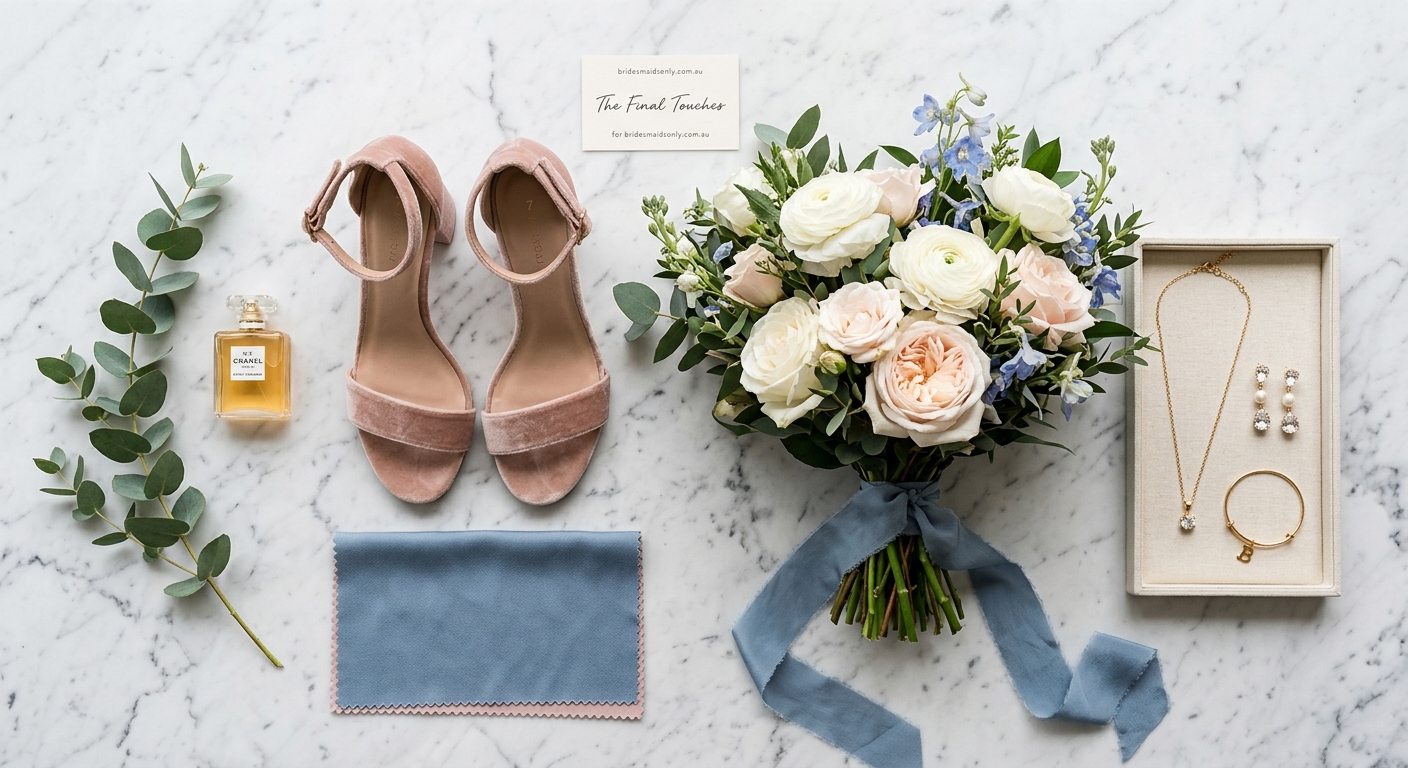
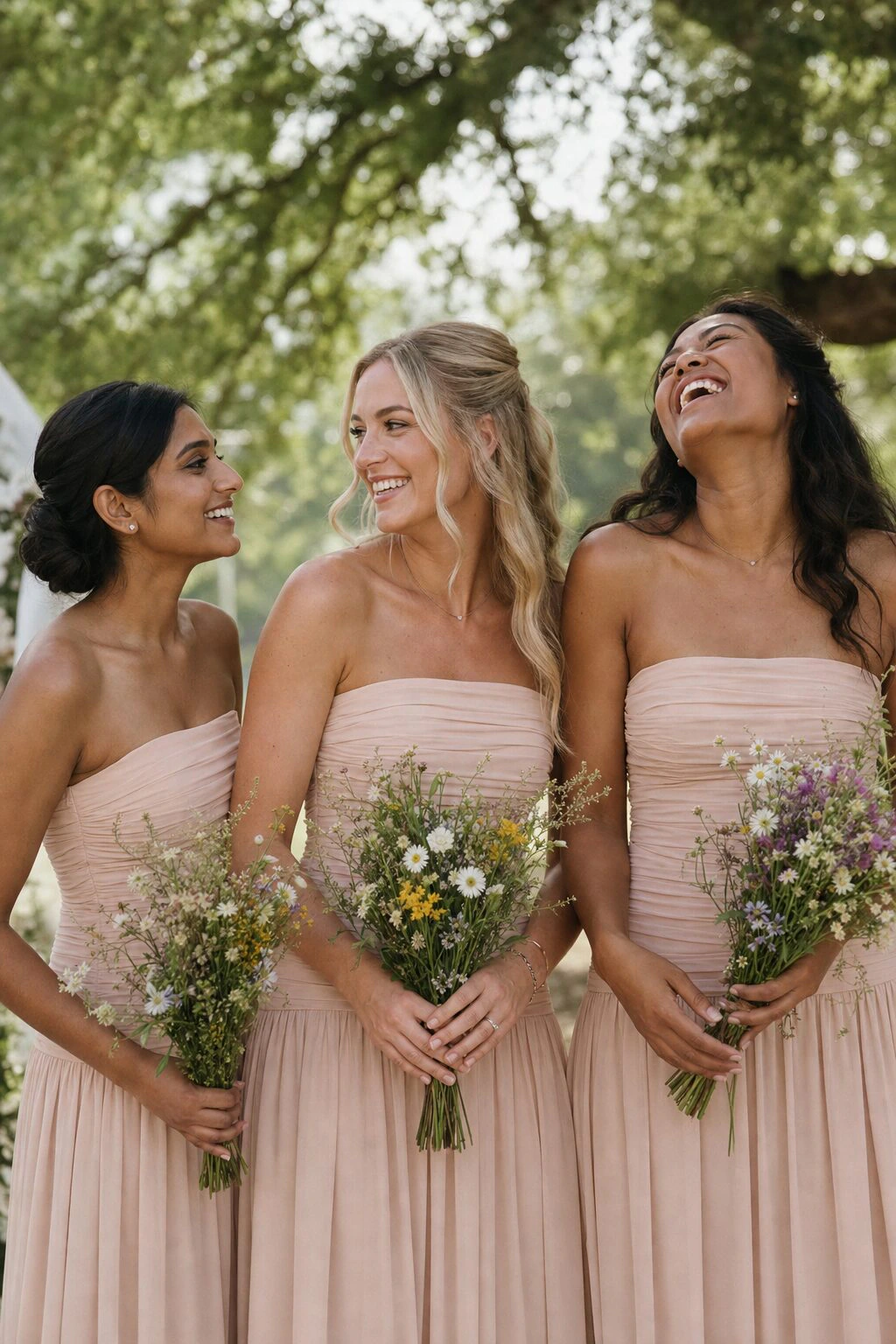
When the timeline is handled well, the final week feels smooth instead of frantic. That is the real payoff: the dresses look beautiful, the bridesmaids feel comfortable, and the bride can focus on the celebration rather than chasing missing hems or last-minute fixes.
Frequently Asked Questions
How far in advance should I order bridesmaid dresses?
A good rule is to order bridesmaid dresses about 8–6 months before the wedding. That gives enough time for production, shipping, exchanges, and alterations without turning the final month into a scramble.
Can I rush-order a bridesmaid dress?
Sometimes, yes — but rush ordering is usually a backup plan, not the main plan. It can cost more and leaves less room for mistakes, so it is safer to work within a longer bridesmaid dress timeline whenever possible.
How many fittings do bridesmaids usually need?
Many bridesmaids need one to two fittings, depending on the dress style and how much tailoring is required. Simple, stretchier styles may need less work, while structured gowns often benefit from a second fitting after alterations.
What if a bridesmaid is pregnant or might change sizes?
Choose a dress style with flexibility, and allow extra time for fit changes as the wedding date gets closer. It is often best to size for the larger measurement and plan alterations later so comfort and movement are not compromised.