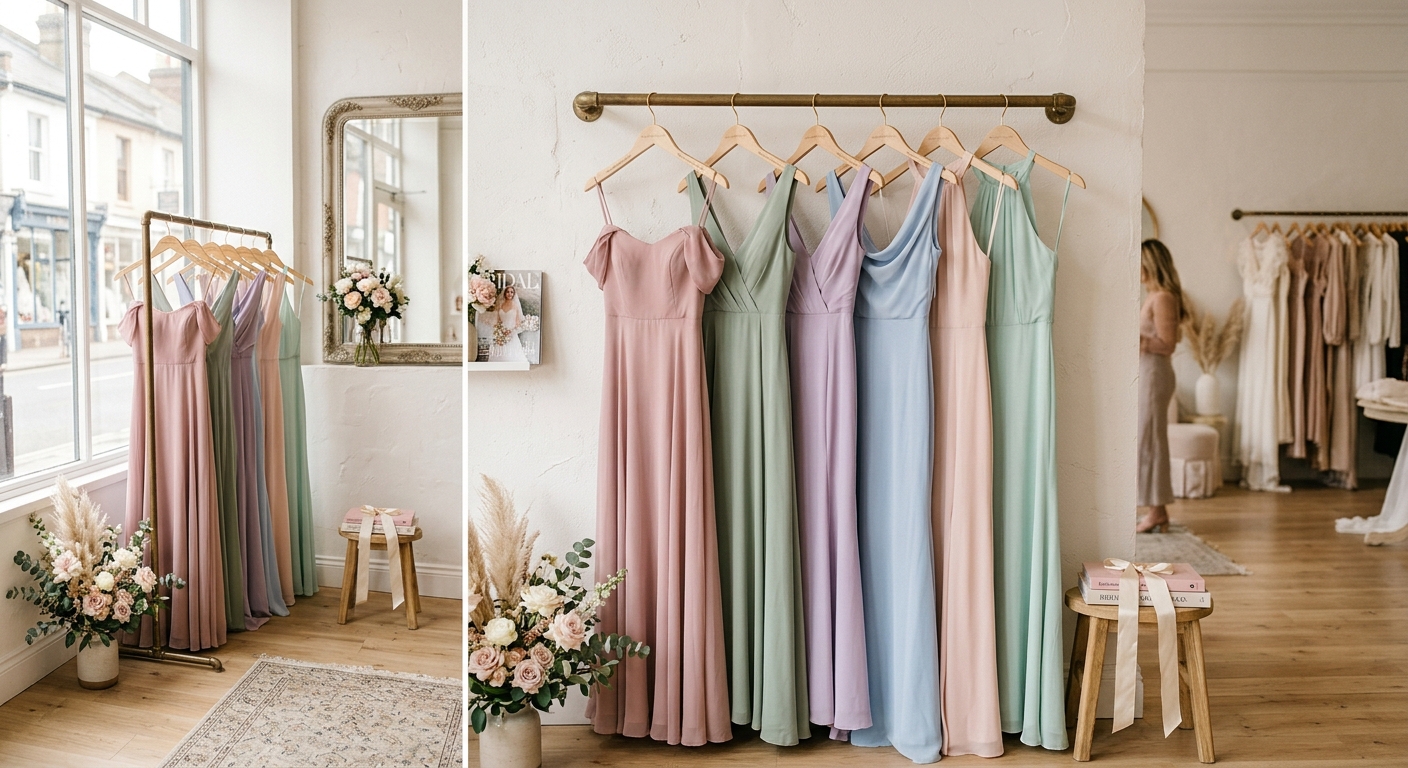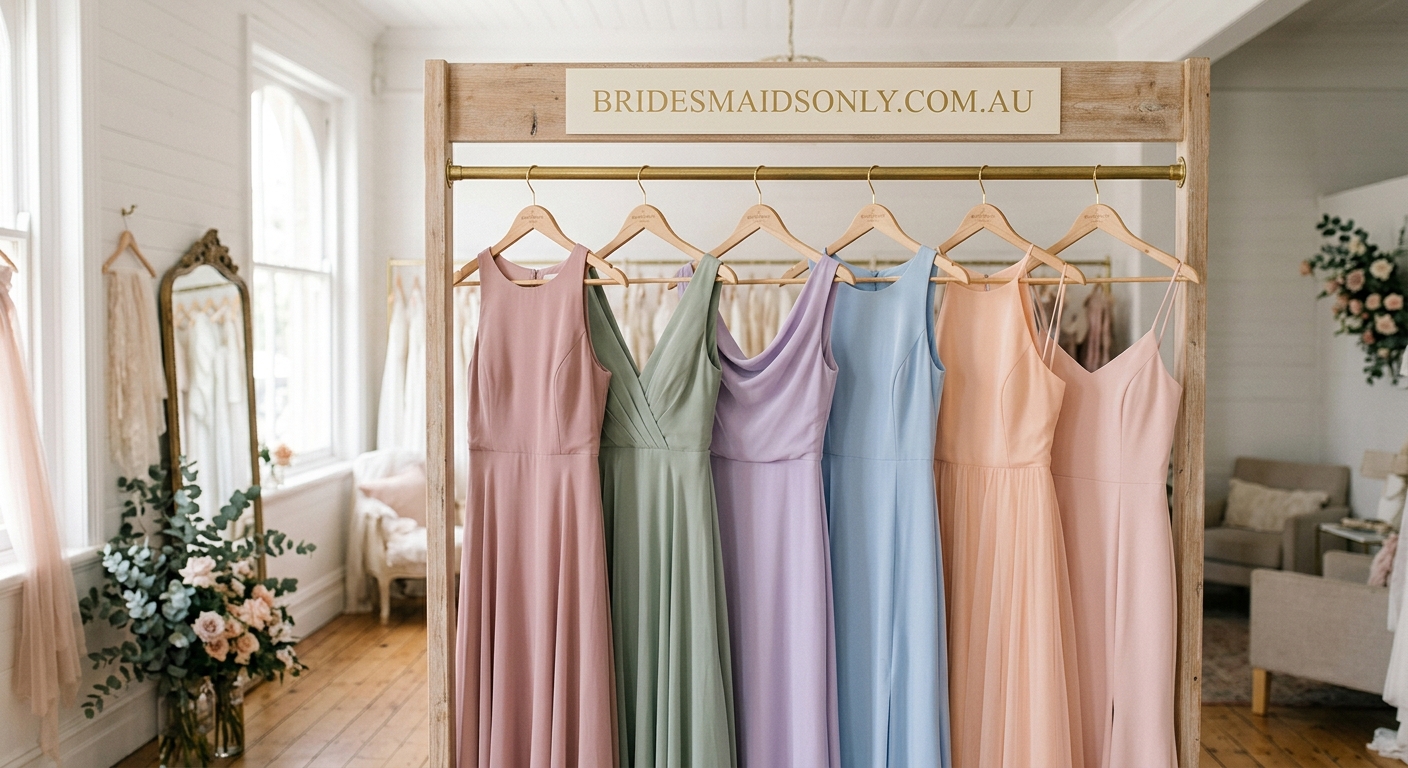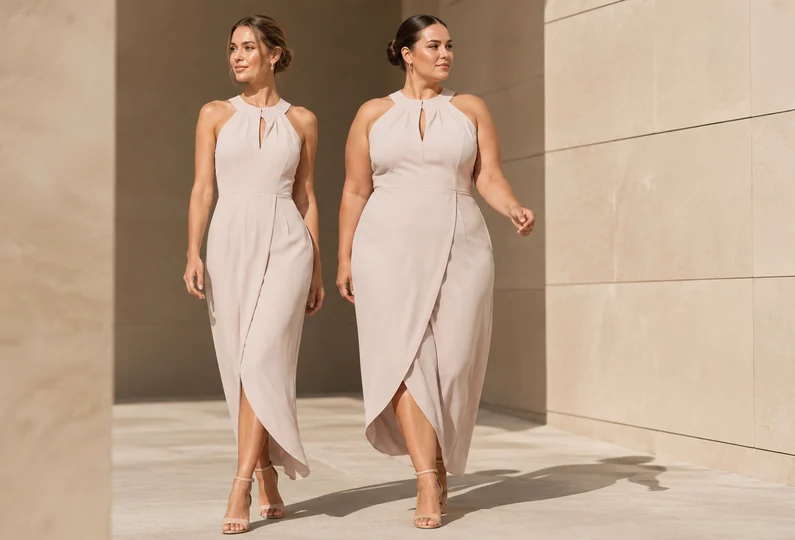
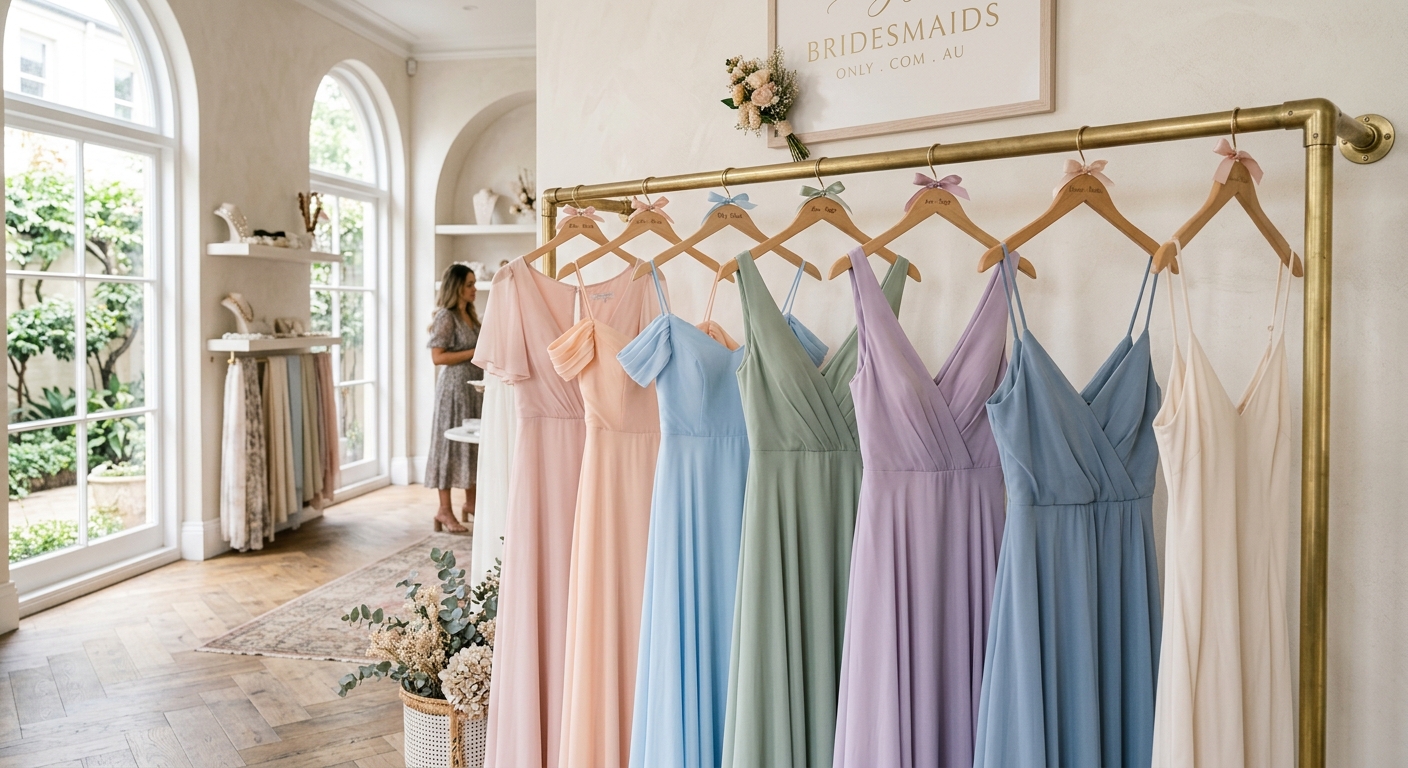
How to Organise Bridesmaids Across Different Cities (and Sizes)
What this means
When you organise bridesmaids across different cities, the main challenge is not style — it is coordination. Different shipping addresses, different body shapes, different time zones, and different levels of experience with formalwear can turn a simple dress decision into a mess if the process is vague.
The easiest solution is to treat the bridesmaid dresses like a mini project. Set the timeline early, agree on the style direction, get measurements in a consistent format, and make sure everyone knows what happens if a dress arrives and doesn’t fit. That structure matters because it keeps the bridal party calm, even when everyone is planning from somewhere else.
Starting with a clear shopping path helps too. If you are narrowing down options, begin with bridesmaid dresses, compare the broader range through shop all, and use our blog for planning ideas that make the rest of the job easier. If you want to understand the brand direction before deciding, about us is worth a look, and the homepage keeps everything in one place.
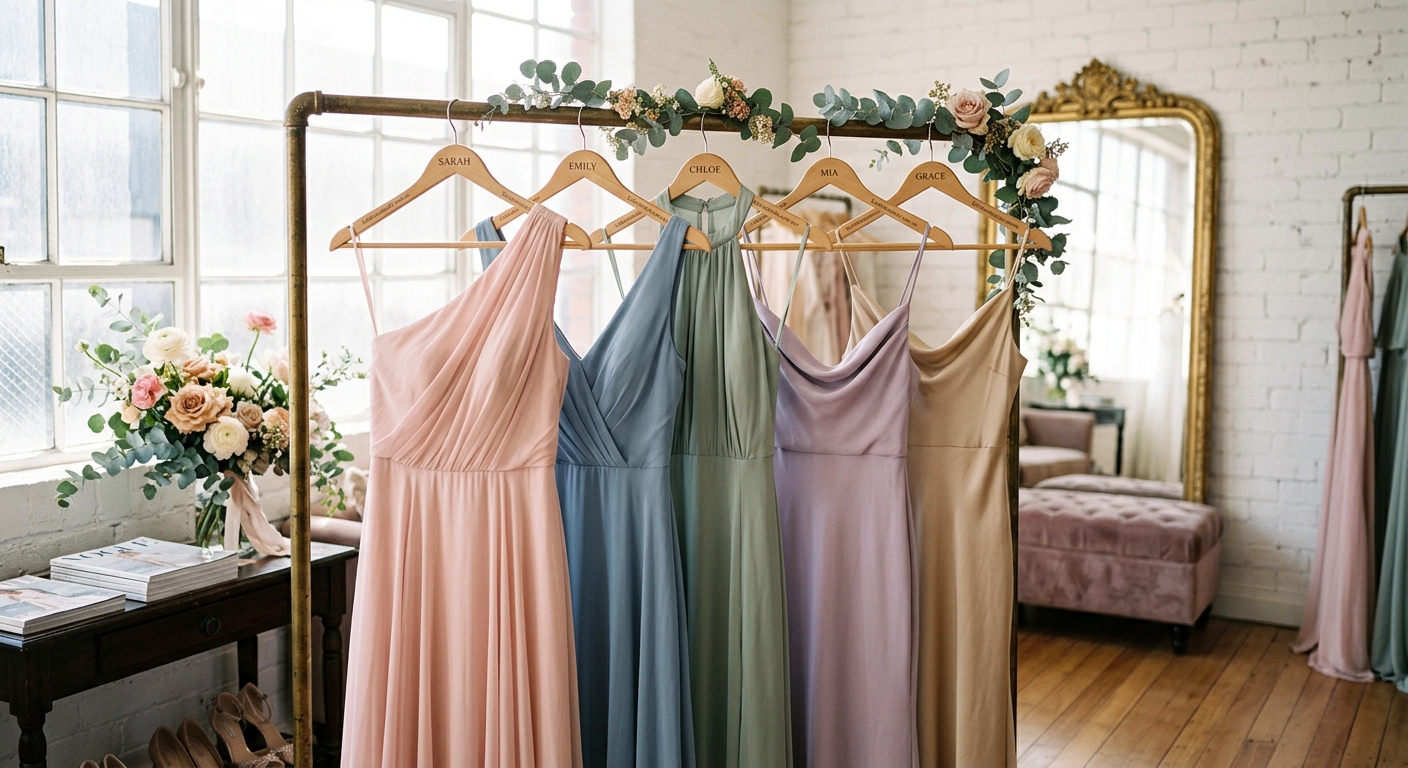
For extra wedding planning context, reliable references like Brides, The Knot, and Harper’s Bazaar Bridal are helpful when you need a broader view of dress styling and event logistics.
12–9 Months Before: Start Browsing
The earlier you start, the easier it is to organise bridesmaids across different cities. Twelve to nine months before the wedding gives you enough time to compare styles, discuss the colour direction, collect accurate measurements, and allow for shipping without pressure.
Begin with the practical questions. How many cities are involved? Will dresses be shipped individually or to one central address first? Do any bridesmaids need extra time for local alterations? These details matter because a remote bridal party can only stay organised if the plan is realistic from day one.
At this stage, focus on finding a silhouette that travels well and fits different body types with minimal drama. Dresses that are too delicate, too structured, or too trend-heavy can create avoidable problems later. The safest option is usually something that looks polished, works across several body shapes, and can still be altered locally if needed.
It also helps to keep the shortlist tight. A long list of options sounds useful, but in practice it often creates more messages, more indecision, and more delays. Two or three strong choices are easier to manage than ten different opinions flying around different cities.
Use this phase to set the tone for the whole process. If the bridal party understands why the style was chosen — climate, venue, fit, shipping, and comfort — then people are much more likely to stay supportive when decisions get final. That is especially important when no one can just pop in for a quick in-person meeting.
If you want a practical starting point, the current bridesmaid dresses range is a helpful baseline, and our blog can help you think through the rest of the wedding-party styling. For a fast visual reset, the homepage and shop all pages keep things simple.
Helpful external planning references at this stage include Brides’ destination wedding guide and The Knot’s wedding party roles overview, both of which are useful when you are coordinating a distributed bridal party.
8–6 Months Out: Place Your Order
Once the style is chosen, the next step is to order with enough breathing room. Eight to six months before the wedding is a sensible target because it leaves time for production, shipping, and any changes needed after the first fitting.
Measurements become critical here. Ask each bridesmaid to use the same method and the same size guide, then record everything in one place. If one person uses her usual casual clothing size and another uses a professional measurement, you will end up comparing apples and oranges. Consistency is what keeps the process manageable across different cities.
If a dress arrives and doesn’t fit, time is what decides the solution. If the wedding is still far enough away, a size exchange may be the easiest fix. If the wedding is getting close, local tailoring may be the smarter move. Either way, you need to know early enough to act before the calendar becomes a problem.
When people are in different locations, the best thing you can do is make the process visible. A shared note or spreadsheet with order dates, sizes, shipping addresses, and fitting deadlines prevents confusion and saves a lot of back-and-forth. If a bridesmaid is travelling, let her know exactly when the dress needs to arrive so she can plan around flights, work, and alterations.
This is also where the styling should stay steady. Once the dresses are ordered, keep the accessories and footwear decisions simple so the focus stays on fit instead of changing the whole look halfway through the process. If you need to compare product options while keeping everything streamlined, shop all and about us are both good reference points.
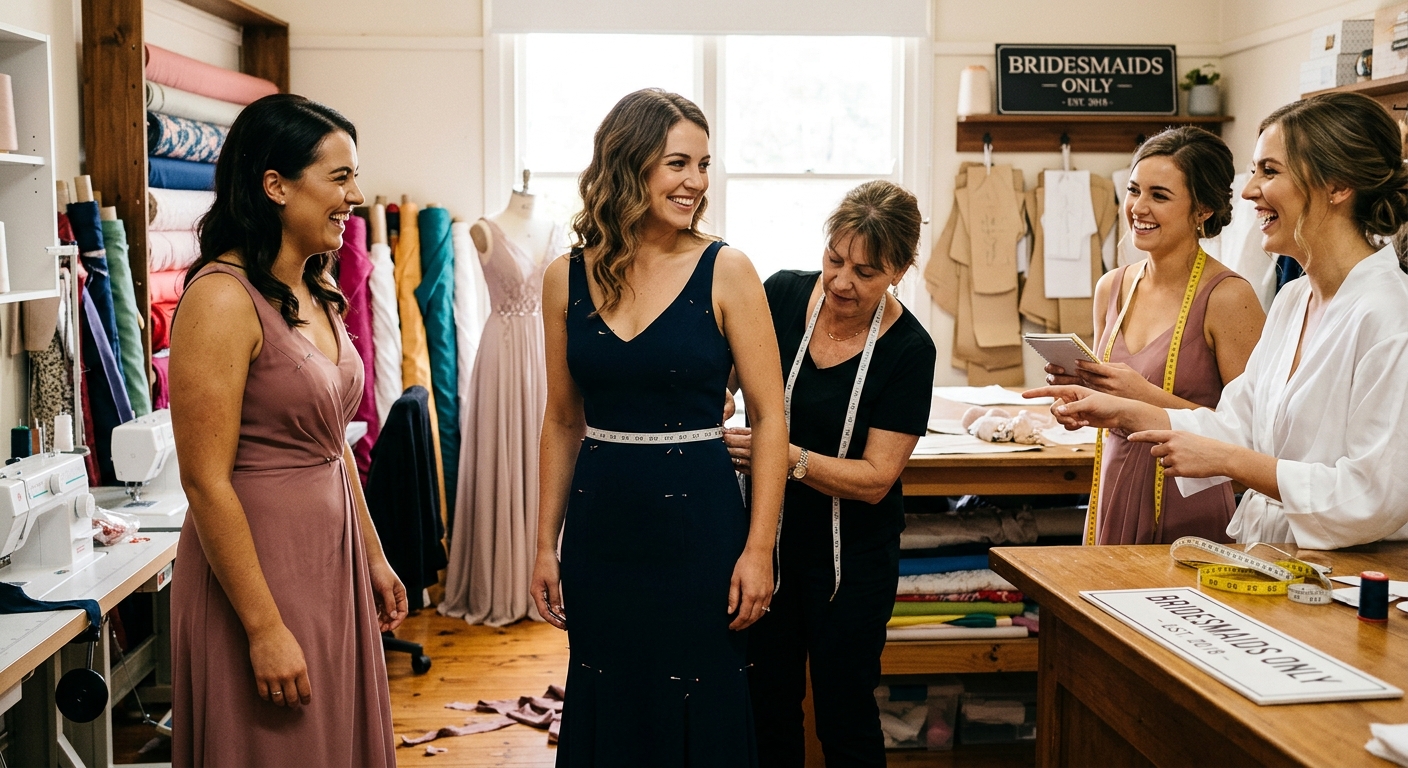
For external style guidance and planning advice, Brides’ wedding party styling guide and The Knot’s bridesmaid dress tips are both useful references.
4–3 Months Out: Fittings and Alterations
The four-to-three-month mark is where the plan starts becoming real. Dresses should be arriving, initial fittings can begin, and any fit issues can be handled while there is still enough time to get them right. This stage matters even more when the bridal party is spread across different cities because it is often the first time everyone sees how the dress actually fits on a body instead of on a hanger.
At this point, each bridesmaid may need to work with a local tailor. That means the dress should be easy to explain and easy to adjust. Small fixes such as hems, straps, and waist shaping are usually straightforward; more complex changes need more lead time and a more experienced tailor. The goal is to make sure everyone has a path to a good fit, even if they are nowhere near the bride.
Keep the fitting instructions clear. Bridesmaids should know to wear the shoes and undergarments they plan to use on the day so the tailoring is based on reality. A dress can seem too long or too short simply because someone wore the wrong heel height. A bodice can feel off because the undergarments were not part of the fitting. Remote organisation works better when the instructions are specific.
This is also the stage where comfort becomes non-negotiable. Bridesmaids need to be able to move, sit, and dance without constantly adjusting the dress. If someone says the fit is “fine” but the fabric is pulling at the bust or loose at the waist, take that seriously. Good tailoring is not just about appearance — it is about helping the dress survive a whole wedding day.
If you are comparing style choices while you work through alterations, the bridesmaid dresses collection and our blog can keep the visual direction consistent. For any final brand check, the homepage is the fastest place to return to.
2–1 Months Out: Final Fittings and Accessories
By the final month or two, the dress should be close to finished. This stage is for refinements, not major changes. The bridal party should be checking the final fit, confirming accessories, and making sure the dress is ready for travel, photos, and the actual ceremony.
Ask every bridesmaid to do one last full try-on with shoes, jewellery, and underlayers. In a different city scenario, this is especially important because no one is there to quickly fix a last-minute problem in person. The more stable the full outfit is now, the less likely anyone is to have a panic later.
Accessories should be simple and intentional. A destination wedding usually looks better when the styling complements the setting instead of fighting it. Sand, wind, humidity, and long travel days all argue in favour of cleaner, lighter, easier-to-manage finishing touches. If the dress has already been altered, avoid layering on too many extra changes at the same time.
It is also smart to think about the dress in transit. How will it be packed? Who is responsible for steaming it? Is there a garment bag? What happens if one of the dresses is creased when it arrives in another city? These questions sound small, but they make a big difference in the final week.
Now is the time to build a tiny emergency kit. Fashion tape, safety pins, a sewing kit, a lint roller, and stain wipes can solve problems quickly if anything shifts during the day. A bridesmaid who knows the backup plan is in the bag feels a lot calmer than one who is hoping nothing goes wrong.
For extra inspiration while you finalise the look, it is worth revisiting shop all, about us, and our blog before the final accessories are locked in.
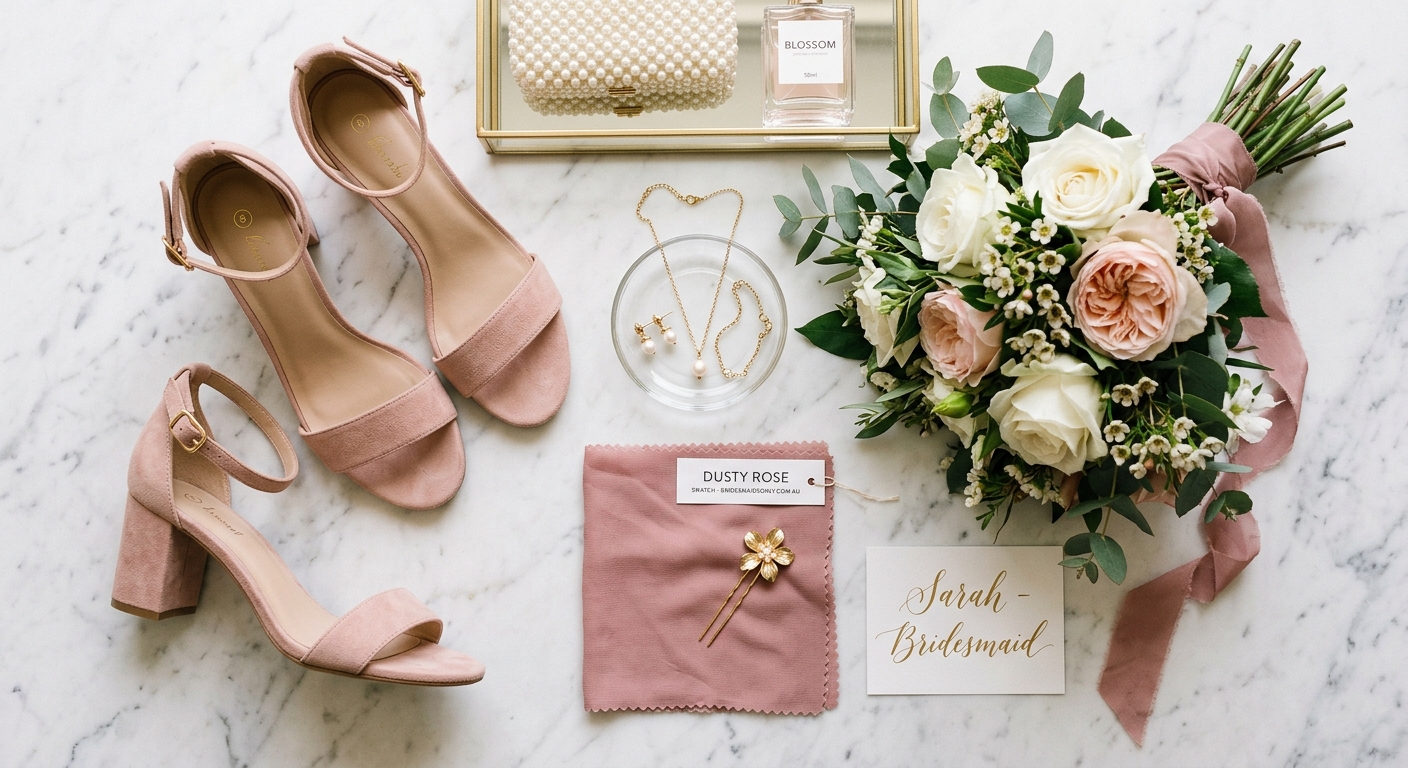
For fashion and styling context, external references like Brides and Harper’s Bazaar Bridal can help you see how formal looks come together in practice.
The Week Before: Last-Minute Checklist
The final week should feel organised, not frantic. The dresses should already be altered, the packing should be done, and every bridesmaid should know exactly what she is bringing and where the dress is being kept until the ceremony.
Run one final check on each dress. Look for loose hems, missing buttons, strap issues, or anything that could be fixed quickly. If there is a problem, handle it immediately rather than pretending it will disappear. If there is no problem, stop looking for one. At this point, the goal is confidence, not constant second-guessing.
Protect the dresses during travel. Garment bags, careful hanging, and a clear unpacking plan matter more than people expect. For bridesmaids in different cities, that plan should be shared in advance so no one is left trying to steam fabric at the last second while the rest of the wedding party is already moving.
It is also worth assigning small roles. Who has the emergency kit? Who is responsible for steaming? Who is checking that the dresses are ready before hair and makeup begin? The more clearly those roles are defined, the less likely the bridal party is to lose time on avoidable confusion.
Weather and venue conditions should be part of the final check too. If the ceremony is outdoors, think about wind, heat, and uneven ground. If the bridesmaids are travelling in from somewhere colder, the dress might feel different once everyone arrives. A little planning here prevents a lot of last-minute stress.
When everything is final, leave it alone. Remote coordination works best when decisions are made early and then allowed to stand. That is what gives a wedding party the calm, polished look people remember in photos.
Frequently Asked Questions
How far in advance should I order bridesmaid dresses?
A good rule is to order about 8–6 months before the wedding, especially if bridesmaids live in different cities. That gives enough time for shipping, exchanges, and alterations if a bridesmaid dress doesn’t fit when it arrives.
Can I rush-order a bridesmaid dress?
Sometimes you can, but rush ordering should be treated as a backup rather than the main plan. It usually costs more and leaves less time for fit fixes, which makes it riskier when the bridal party is spread across multiple cities.
How many fittings do bridesmaids usually need?
Most bridesmaids need one or two fittings depending on the dress style and how much tailoring is required. Structured gowns often need a second check after alterations, while simpler styles may only need a careful first fitting and a final try-on.
What if a bridesmaid is pregnant or might change sizes?
Choose a style with some flexibility and plan for later adjustments rather than forcing an early final size. It is usually smarter to size for the larger measurement so the dress stays comfortable and can be altered closer to the wedding if needed.