Garden Wedding Bridesmaid Dresses: Styles That Work Outside
What works outside
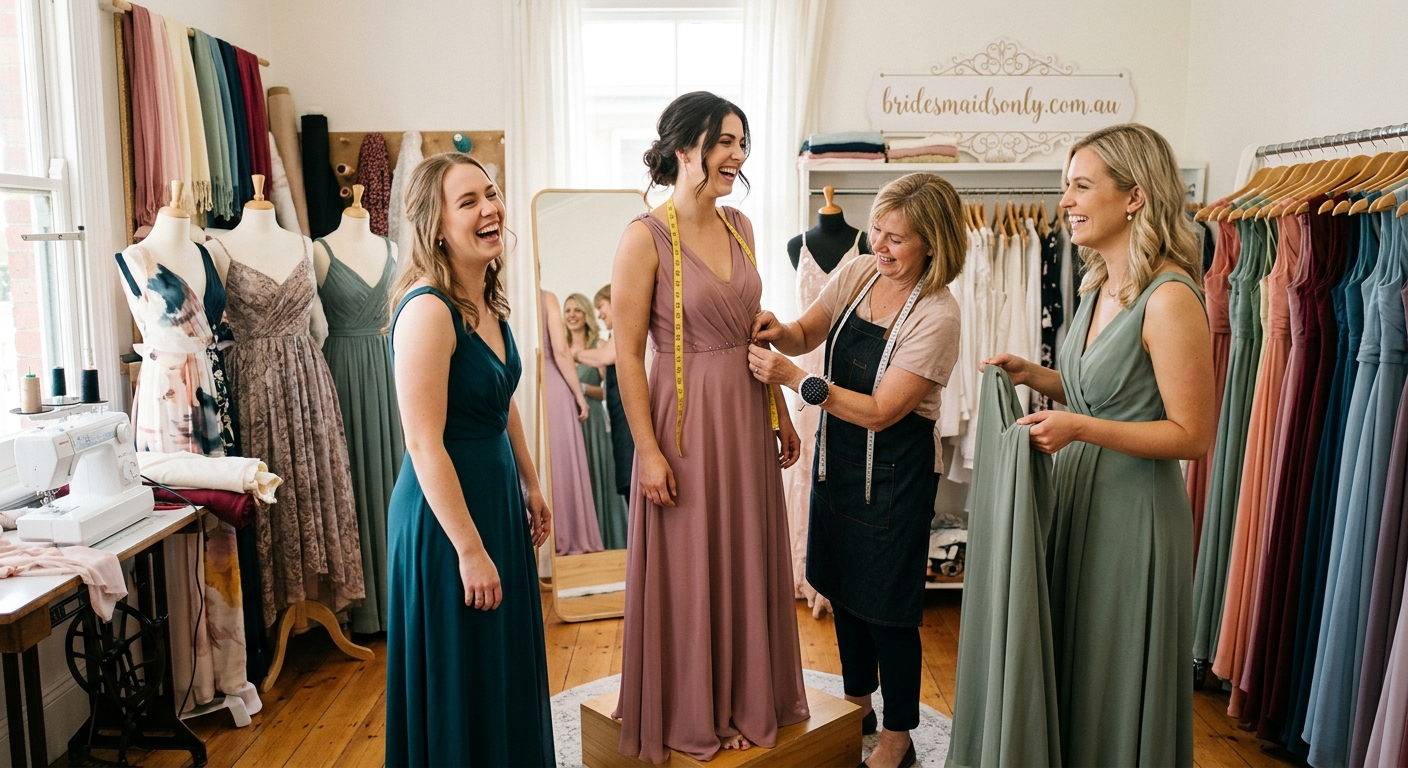
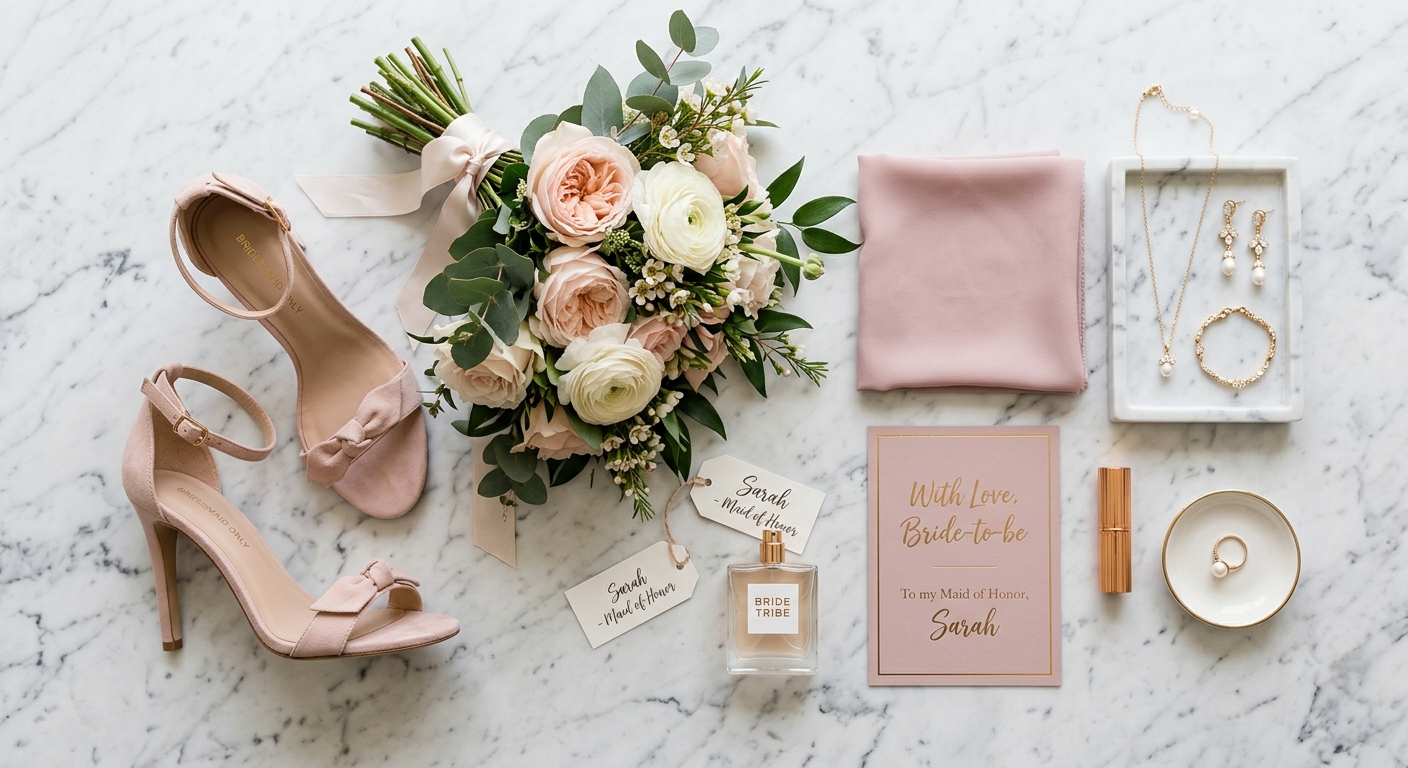
Garden wedding bridesmaid dresses need to do more than look pretty indoors. They have to work in real outdoor conditions: grass, wind, sunlight, shade, temperature shifts, and sometimes uneven ground. That means the dress should be elegant enough for the ceremony but practical enough to survive the whole day outside.
The best outdoor dresses usually feel light on the body, move well in the breeze, and do not need constant adjustment. A dress that is too stiff or too delicate can become uncomfortable very quickly once the ceremony moves onto grass or into the open air. Outdoor weddings reward dresses that look natural rather than overly fussy.
Think about the wedding setting before choosing the style. A formal garden venue, a backyard celebration, and a botanical garden all create slightly different needs. The more natural the environment, the more important it becomes to choose a dress that complements the scene instead of competing with it.
If you are starting from scratch, browse the bridesmaid dresses collection and the broader shop all pages. Seeing the styles together helps you pick options that feel right for outdoor light and movement.
Bridal guidance from Brides and The Knot often points to the same thing: outdoor wedding party looks are strongest when they are coordinated, comfortable, and season-appropriate.
If you want to keep the look consistent while planning, the homepage, blog, and about us pages are useful references before anyone commits to a final direction.
Best fabrics for gardens
Fabric choice matters a lot in garden settings because the dress has to handle movement, temperature, and natural light. Lightweight but not flimsy fabrics usually work best. You want enough structure to hold the shape, but enough softness to move comfortably when the bridal party walks across grass or stands in the sun.
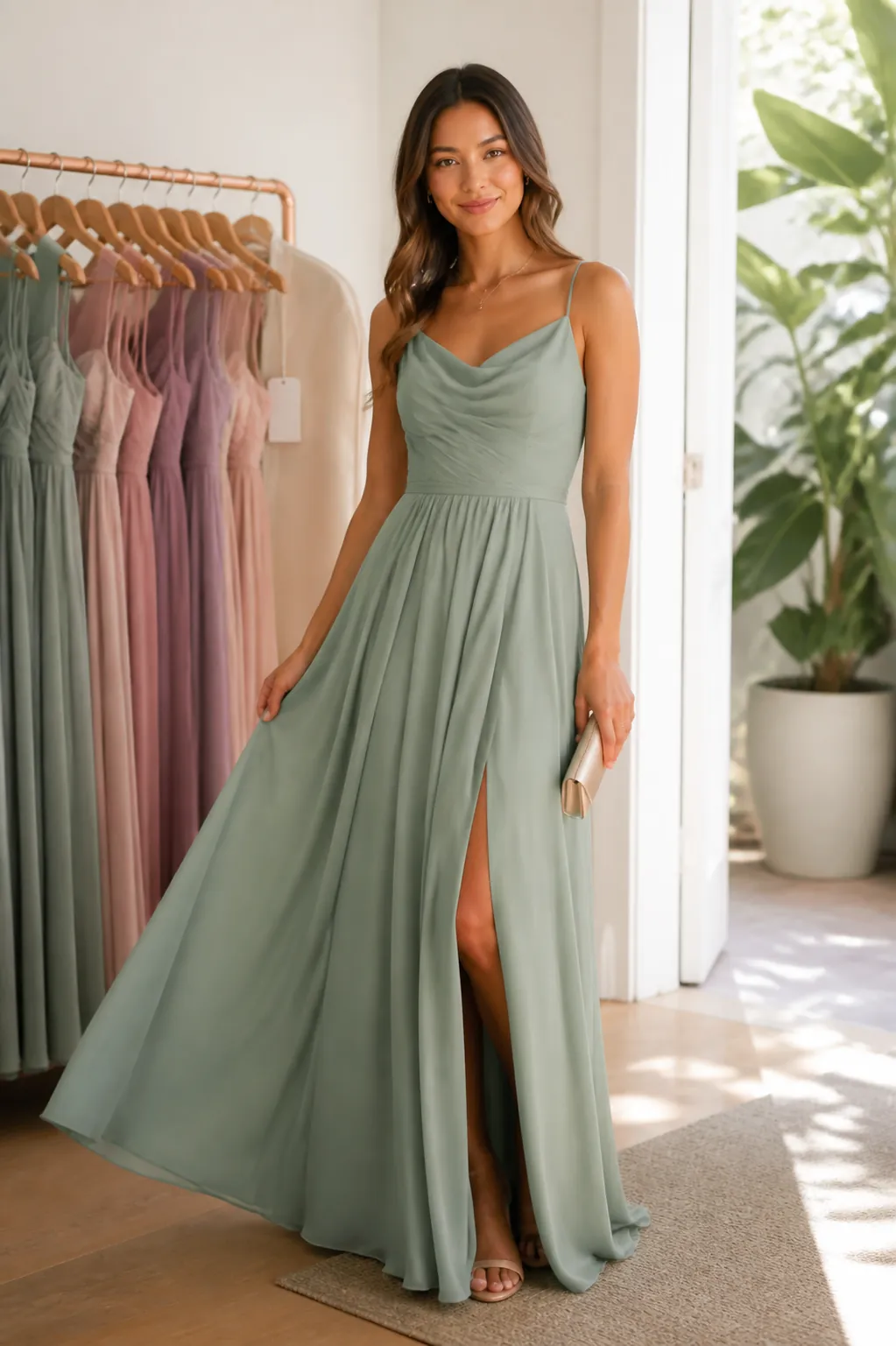
Chiffon, soft crepe, airy satin, and lightly lined fabrics are often strong choices for garden weddings. They drape well, photograph beautifully in daylight, and tend to feel more comfortable than heavy or highly structured fabrics. They also suit the natural atmosphere of an outdoor venue, which helps the whole event feel coherent.
It is worth avoiding fabrics that are overly stiff, too shiny, or likely to wrinkle badly in transit unless the wedding specifically calls for that level of formality. Garden weddings usually look best when the dresses feel graceful rather than rigid. A soft fabric often blends more naturally with flowers, greenery, and open-air movement.
Texture can add interest, but it should not overwhelm the setting. A subtle sheen or a soft surface finish is usually enough. If a dress is too textured, it can feel visually busy in daylight and may compete with the natural backdrop.
Practicality matters too. Outdoor events often involve a little walking, sitting, and standing in mixed conditions. A dress that feels easy to move in is much more likely to stay looking good throughout the day. That is why comfort and style should be treated as one decision, not two separate ones.
For style inspiration, the editorial coverage at Harper’s BAZAAR and Vogue is helpful because it shows how soft fabrics can still look polished and elevated outdoors.
If you are comparing options, use the collection pages to focus on dresses that already feel suited to natural light and relaxed movement. That keeps the search practical and visually coherent.
Best colours for outdoor weddings
Garden weddings are one of the best places to use colour thoughtfully. Greenery, flowers, and daylight all create a beautiful backdrop, so the dress colour should work with the environment instead of fighting it. The strongest palettes are often the ones that feel fresh, romantic, and naturally in tune with the season.
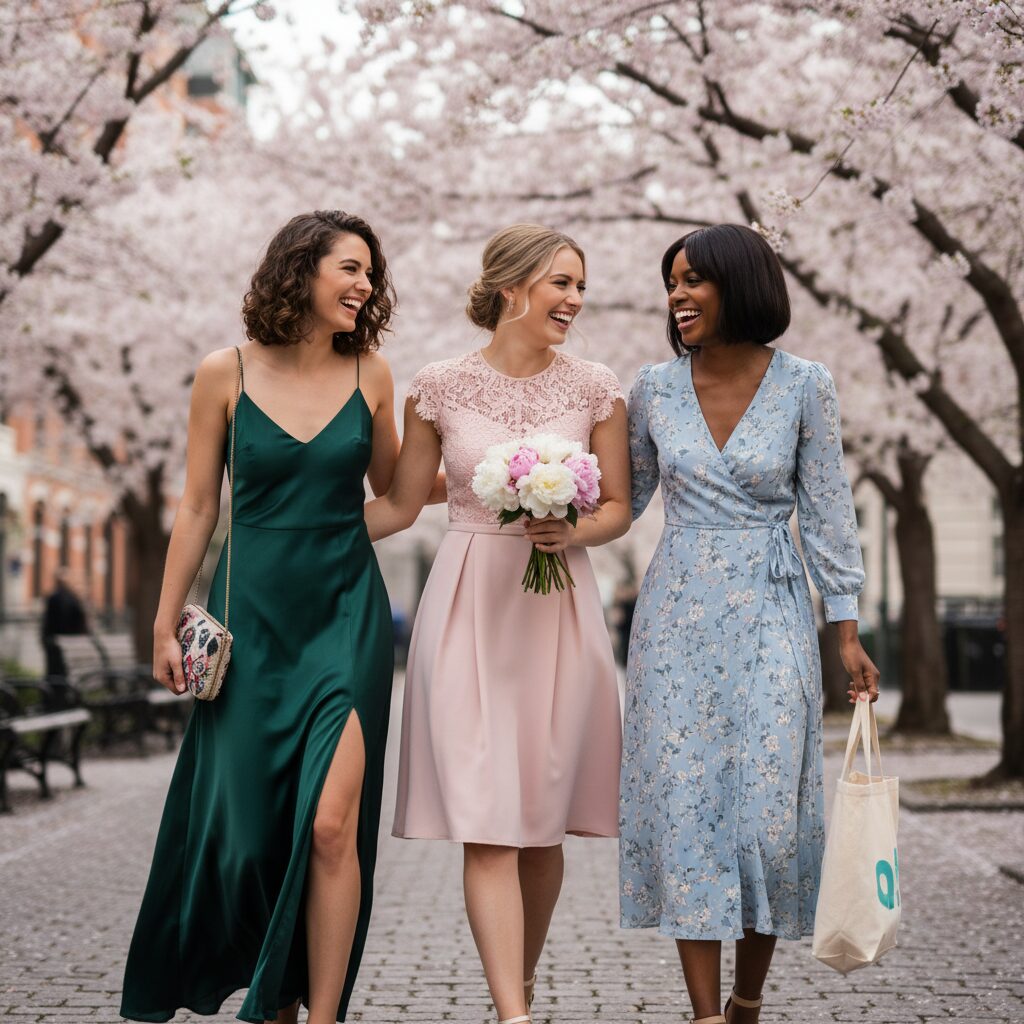
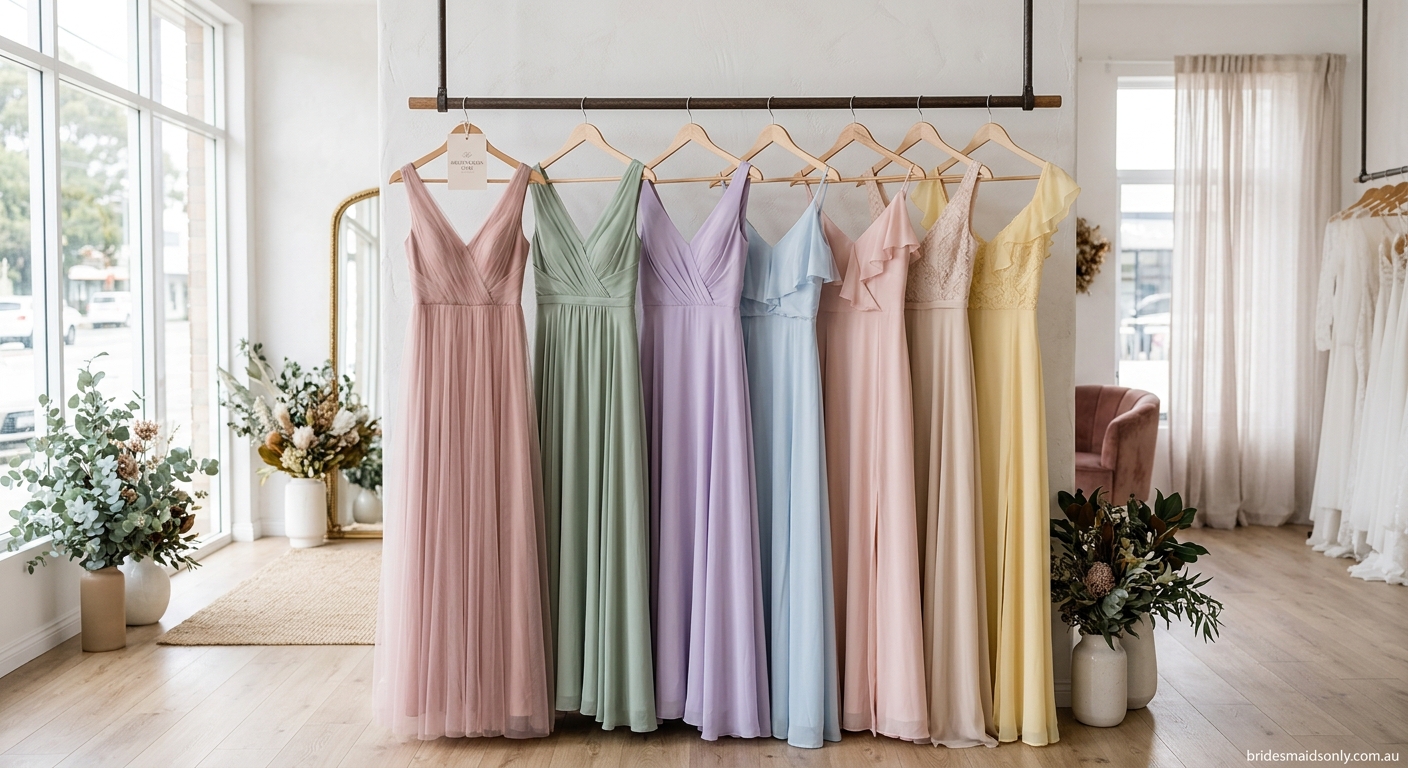
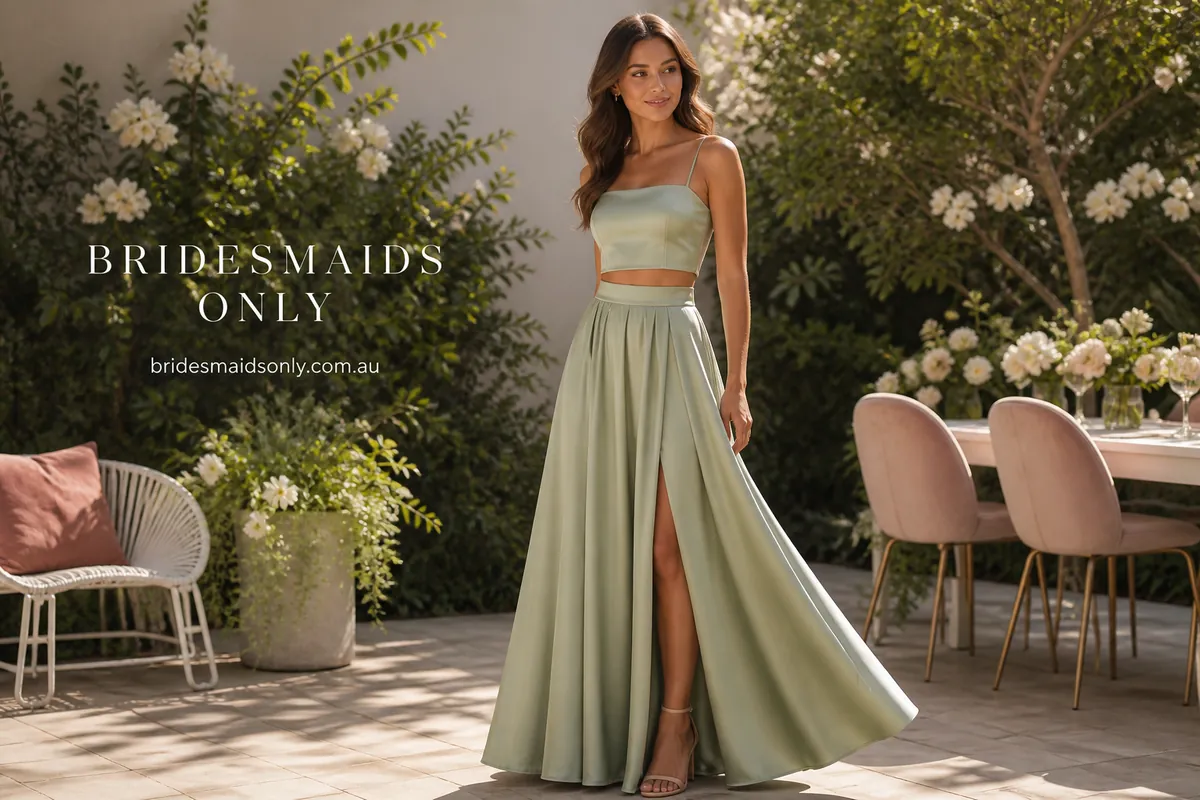
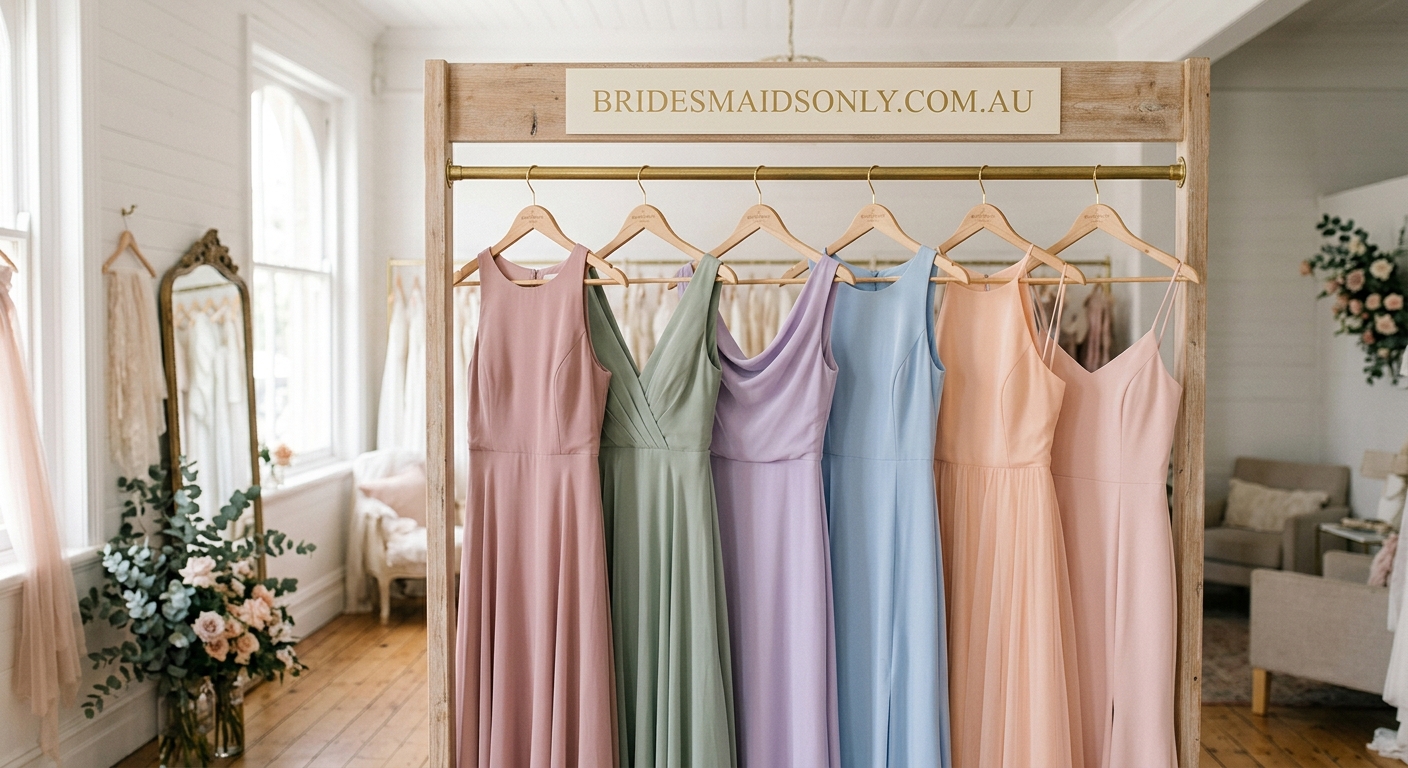
Soft blush, sage, dusty rose, sky blue, champagne, peach, and muted neutrals all work very well in garden settings. These tones tend to harmonise with foliage and floral arrangements rather than dominating them. That gives the bridal party a soft, cohesive look in photographs.
Deeper colours can also work if the wedding is more formal or if the couple wants a richer visual mood. But even then, it is usually better to choose a tone that still feels connected to the natural setting. The colour should feel like part of the landscape, not separate from it.
Daylight changes everything outdoors. Colours often look brighter in the sun and softer in the shade, so it helps to choose shades that still look flattering across both conditions. A colour that looks beautiful in natural light will usually do much better in garden photos than one that only works in indoor lighting.
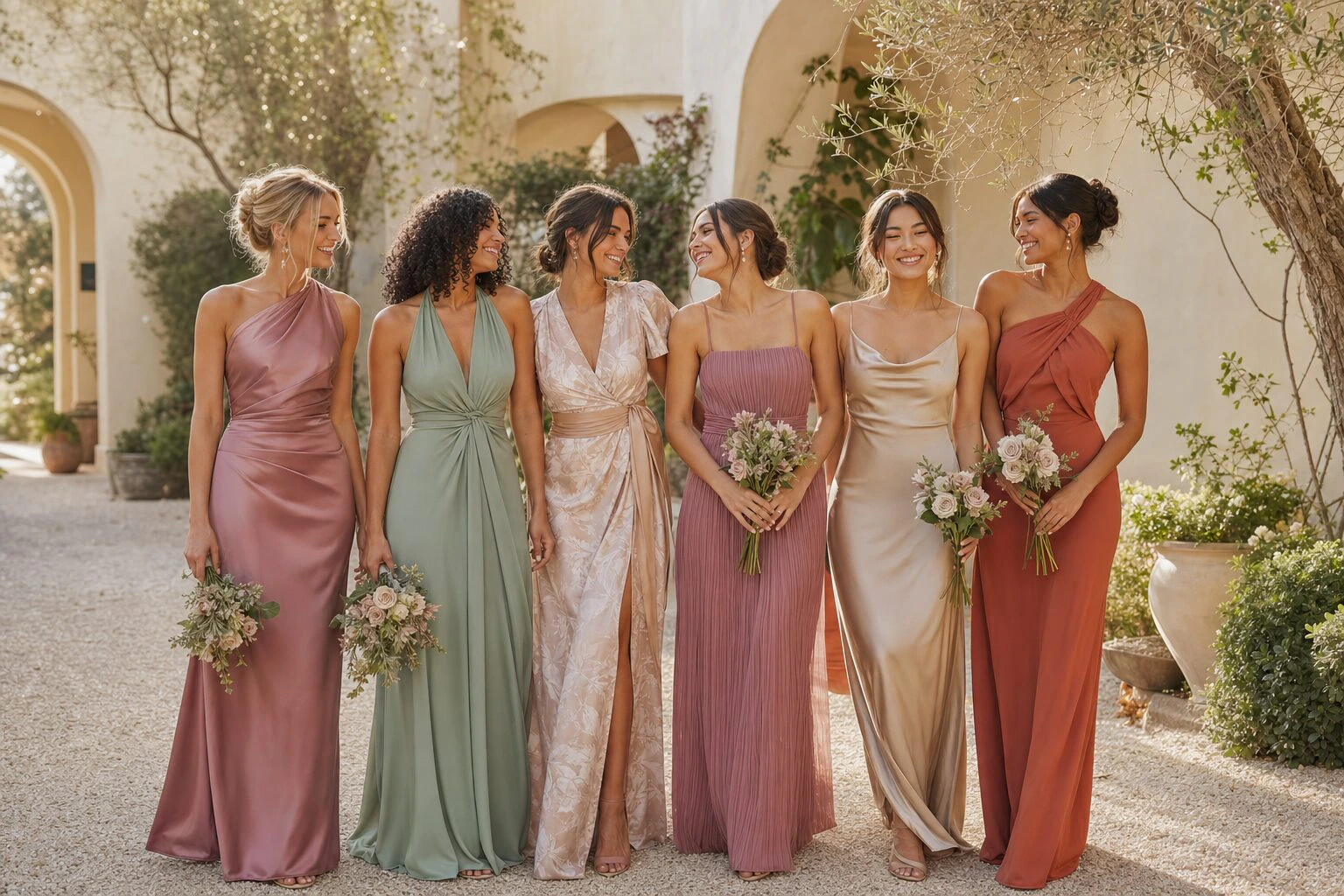
If you want to coordinate multiple bridesmaids, a shared colour family is often the easiest and most elegant solution. That lets you vary the neckline or silhouette while keeping the overall effect calm and intentional.
To refine the palette, the blog and collections pages are helpful because they let you compare how colour, cut, and fabric interact in a real product range.
Wedding planning coverage from Martha Stewart Weddings often shows how outdoor palettes work best when they stay soft, coordinated, and easy on the eye.
Best styles for grass and movement
Garden wedding bridesmaid dresses need to be graceful in motion and stable on uneven ground. That means the best styles are usually the ones that do not require constant adjustment and do not feel too heavy at the hem. If the bridal party will be walking across grass or standing outdoors for a long time, the cut matters just as much as the colour.
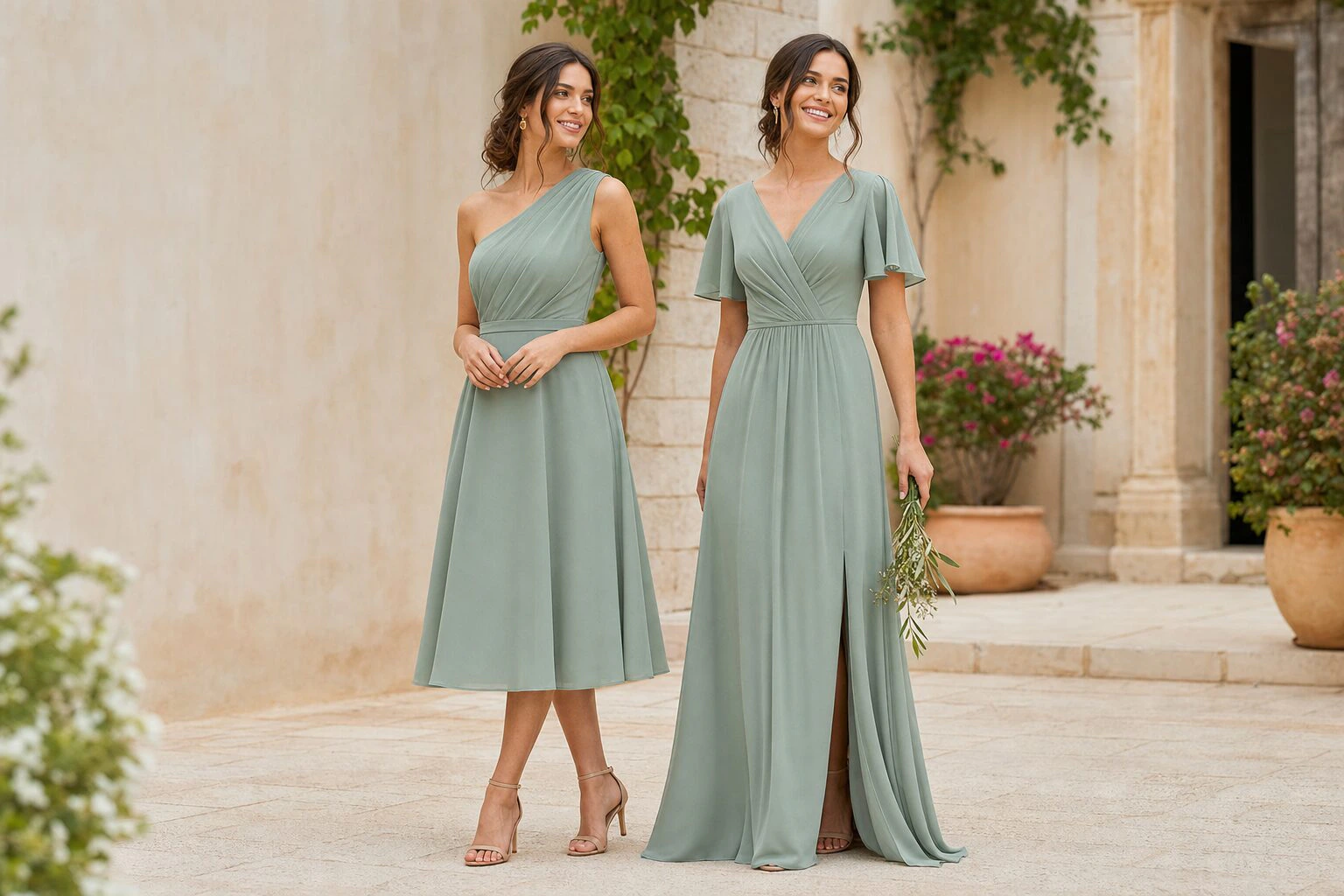
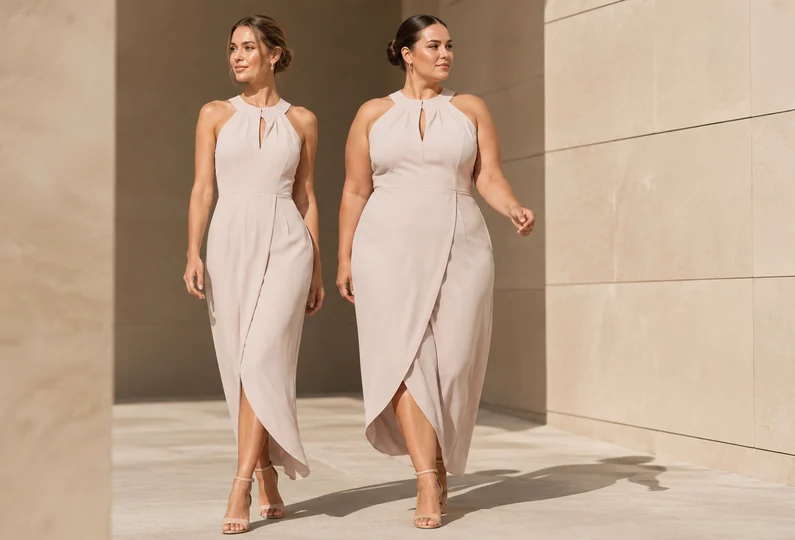
A-line dresses, soft wraps, flowing skirts, and lightly fitted bodices are often excellent choices because they give movement without looking overworked. These silhouettes also tend to flatter a wide range of body types, which is especially useful when the bridal party is mixed in size and shape.
Lengths should be chosen with the venue in mind. Floor-length dresses often feel very elegant, but they need to be cut carefully so they do not drag on grass. Midi lengths can work beautifully for less formal settings and may feel easier to move in, especially if the event is more relaxed.
Necklines should be comfortable and secure. Garden weddings can include breezes, movement, and lots of sitting and standing, so a dress that feels safe and easy to wear will usually be the better option. If the dress stays in place, the bridesmaid can relax and enjoy the day.
It is also helpful to think about the way the dress photographs in natural light. Strong silhouette, clean drape, and soft movement often look better outdoors than complicated details that get lost in the scenery. Simplicity is usually the stronger choice in a garden.
If you are comparing styles, browse the bridesmaid dresses collection and the broader shop all pages to spot which shapes feel best suited to movement and grass.
Style references from Brides and The Knot both show that coordinated but not overly rigid bridal-party styling often looks the most effortless outdoors.
Styling and footwear
Outdoor styling should support the dress rather than complicate it. Garden weddings usually look best when accessories are understated and practical. The dress should remain the hero while the styling quietly finishes the look.
Shoes matter more outdoors than they do indoors because they affect both comfort and safety. Block heels, wedges, or elegant flats are often better choices for grass than narrow stilettos. The goal is to move gracefully without sinking into the ground or worrying about balance during photos.
Jewellery can stay simple. Small earrings, a neat bracelet, or one refined statement piece is usually enough. In a garden setting, the environment already provides plenty of visual interest, so accessories do not need to compete with flowers and greenery.
Hair and makeup should also suit the weather. A polished but not over-structured hairstyle is often the best option because wind and humidity can be unpredictable outdoors. The best finish is one that still looks soft and intact after a few hours outside.
Layers can be useful, but they should be minimal and elegant. A light wrap or soft jacket is enough for many outdoor receptions, especially if the evening cools down. Anything too heavy can interrupt the flow of the look.
If you are unsure how much styling to add, the about us page and the blog can help keep the final outfit in line with the overall wedding mood.
For wider outdoor styling context, fashion and bridal coverage from Harper’s BAZAAR often shows how restraint can make a wedding party feel more elegant than lots of extra detail ever could.
Planning the full look
The best garden bridesmaid look is planned early and as one complete system. Dress, shoes, accessories, timing, and venue all need to work together. If one piece is out of sync, the whole effect can feel less polished.
Start by identifying the mood of the wedding. Is it romantic and soft, classic and formal, or relaxed and boho? That answer will guide the colour, silhouette, and shoe choice faster than any random trend search. Once the mood is clear, the dress choice becomes much easier.
Then think about the day itself. Will there be a long walk across the lawn? Will the ceremony happen in full sun? Will the photos be mostly outdoors? These details matter because they affect how the dress behaves in real life, not just how it looks online.
Timing is important too. Garden weddings often feel relaxed, which can make people leave decisions too late. That usually leads to fewer choices, more stress, and extra costs. Early planning gives you more room to pick something beautiful and practical.
Budget should stay part of the conversation as well. A dress that looks perfect in photos but needs a lot of extras to work outdoors is not always the best value. The right choice is the one that already feels complete with only a few finishing touches.
For a wider planning reference, publications like Martha Stewart Weddings and Vogue are useful because they show how outdoor wedding looks stay refined when the styling is kept thoughtful and consistent.
When the whole plan is clear, garden bridesmaid dresses become much easier to choose. The result is a bridal party that feels comfortable, looks coordinated, and fits the outdoor setting naturally.
Frequently asked questions
What fabrics are best for garden wedding bridesmaid dresses?
Lightweight but softly structured fabrics like chiffon, crepe, airy satin, and lined flowing fabrics usually work best. They move well outdoors and feel more comfortable in natural light and mild weather.
What colours suit a garden wedding?
Soft blush, sage, dusty rose, peach, sky blue, champagne, and other muted natural tones are often ideal. They blend beautifully with flowers and greenery without disappearing in photos.
Should bridesmaid dresses be long for a garden wedding?
Not necessarily. Floor-length dresses can look very elegant, but midi lengths or other easy-to-move-in styles can also work well, especially if the wedding is relaxed or the venue includes a lot of grass.
What shoes are best for outdoor bridesmaids?
Block heels, wedges, or elegant flats are usually the safest and most comfortable choices for grass or uneven outdoor ground. They keep the bridal party stable while still looking polished.