Affordable Bridesmaid Dresses: What You Actually Get at $49 vs $300
What “Affordable” Actually Means
Every second bridal Facebook group has the same thread running: “Can bridesmaid dresses actually look good under $100?” The honest answer is yes, but not for the reasons most people assume. A $49 dress and a $300 dress from a proper formalwear range often use similar silhouettes, similar necklines, even similar colour swatches. What changes is what’s underneath the photo.
At the $49 mark you’re usually looking at a single-layer polyester chiffon or satin, machine-finished seams, and a standard bodice lining rather than built-in boning or cups. That’s not a criticism, it’s just the maths of manufacturing at volume. A dress at $300 typically adds structured boning through the bodice, a fuller underskirt lining, French or bound seams that won’t fray after one wash, and fabric with more weight to it so it drapes rather than clings.
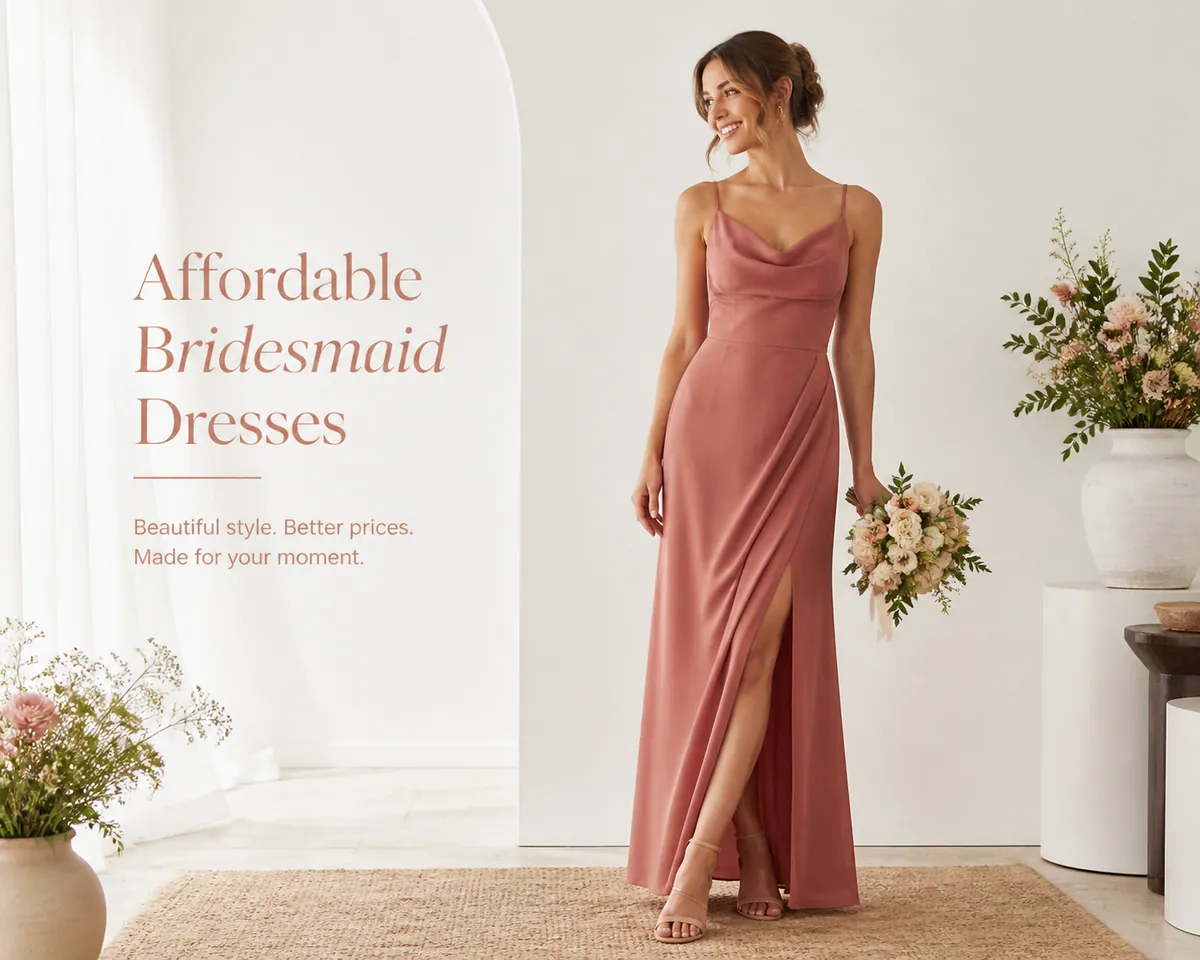
The thing brides and bridesmaids get wrong most often is assuming price maps directly to how the dress photographs. It doesn’t, not really. A well-cut $49 dress in a flattering colour will out-photograph a poorly fitted $300 gown every time. Fit and colour consistency across the group matter more to your wedding photos than fabric grade. If you’re shopping to a number, the affordable edit is worth starting with before you assume you need to spend up.
Choosing the Right Dress for Your Crew
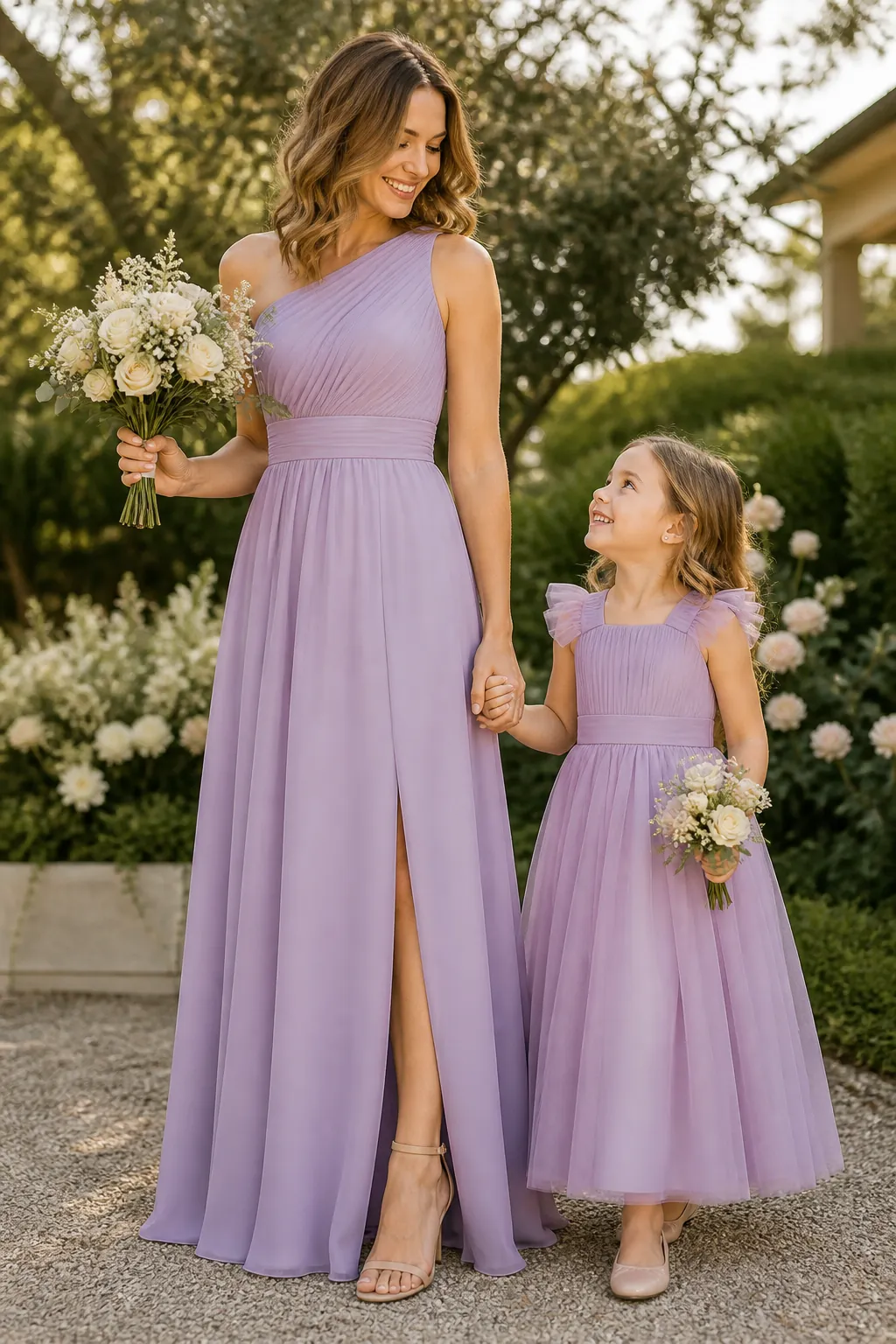
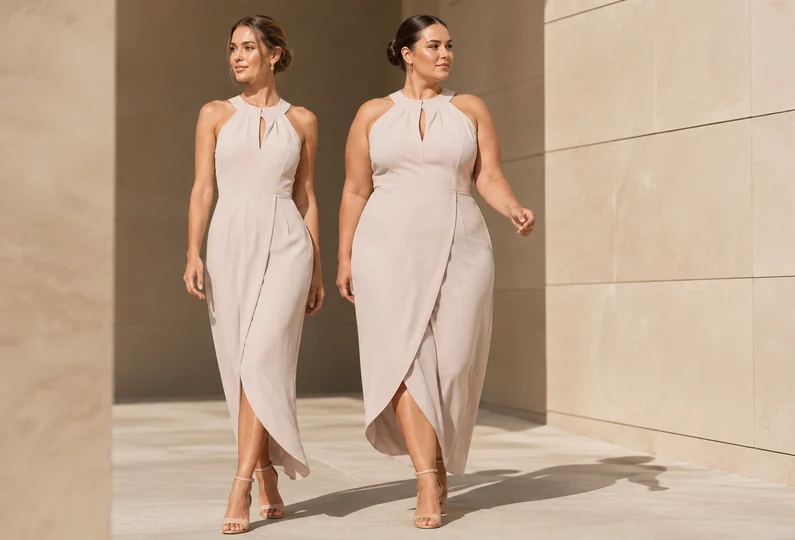
Bridal parties are rarely uniform. You’ll have someone six months postpartum, someone who runs marathons, someone who hates their arms, and someone who wants to wear the exact dress from Pinterest regardless of body type. Chasing one style that flatters everyone is a losing game. What works instead is picking one colour and letting each bridesmaid choose her own silhouette within it, or picking one silhouette and letting the fabric do the flattering.
If your budget sits under $60 a head, look for dresses with some structure built in, like a fitted waist seam or a wrap-style bodice, because these do more visual work than a straight-cut shift in cheaper fabric. A full bridesmaid dresses collection sorted by colour makes this much faster than scrolling a generic search, since you can compare cut options side by side in the same shade.
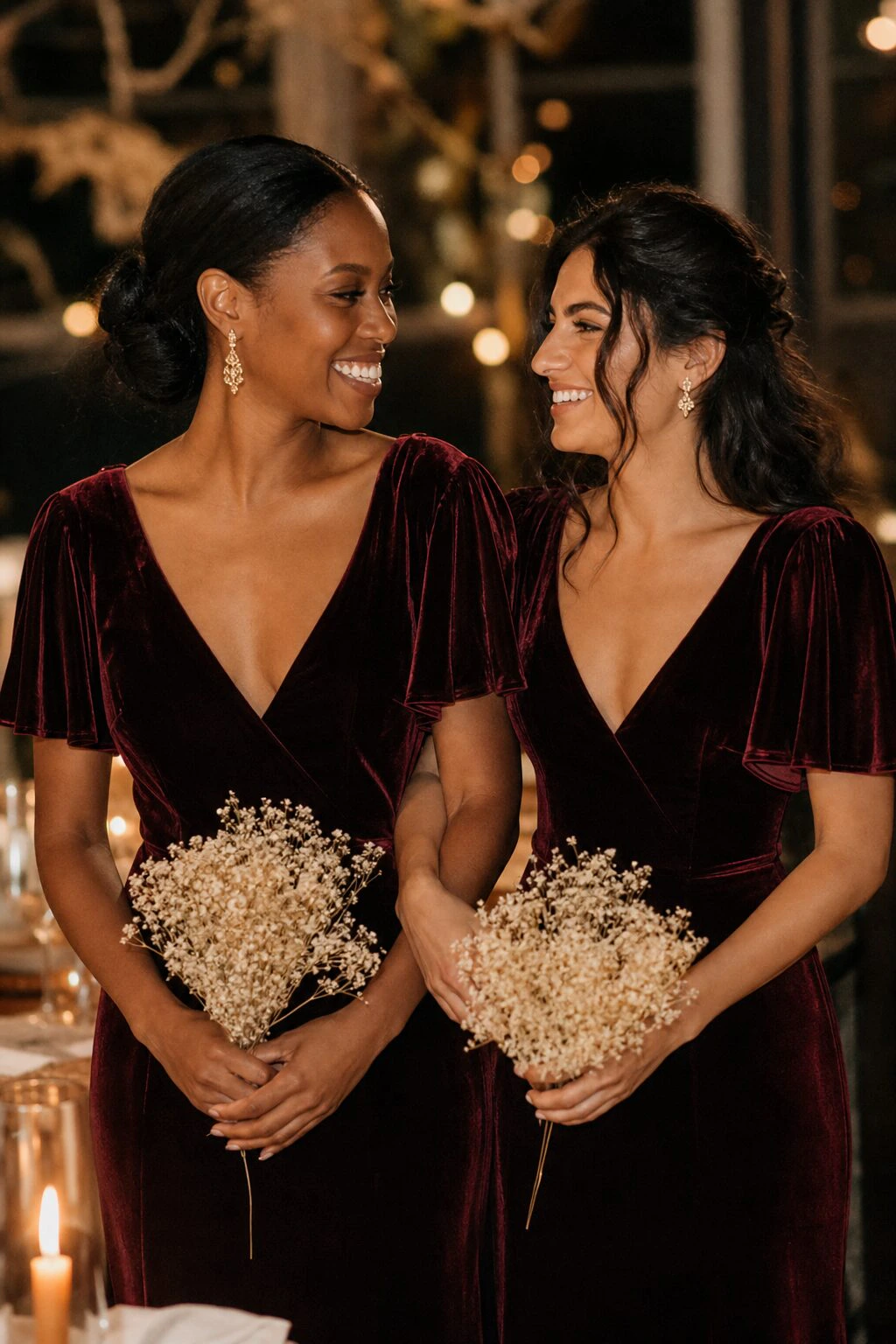
Colour is where most squads actually blow their budget without meaning to, because dye lots vary between brands and even between batches from the same supplier. If four bridesmaids order “dusty blue” from four different retailers, you will get four different blues in your photos. Buying from one collection, such as the blush bridesmaid dresses range or the blue bridesmaid dresses range, solves this in one move because the fabric comes from the same roll.
Top Styles and Options
A handful of styles do most of the heavy lifting across Australian weddings right now, and they show up at both ends of the price spectrum with different execution.
Wrap Dresses
Wrap-style bridesmaid dresses are the most forgiving cut going, because the tie waist adjusts to a range of shapes without needing alterations. At $49 they’re usually a single fabric layer with a self-tie sash. At $300 you’ll get a heavier jersey or satin blend, a proper interior tie so the wrap doesn’t gape, and often a lined skirt.
Slip and Cowl Styles
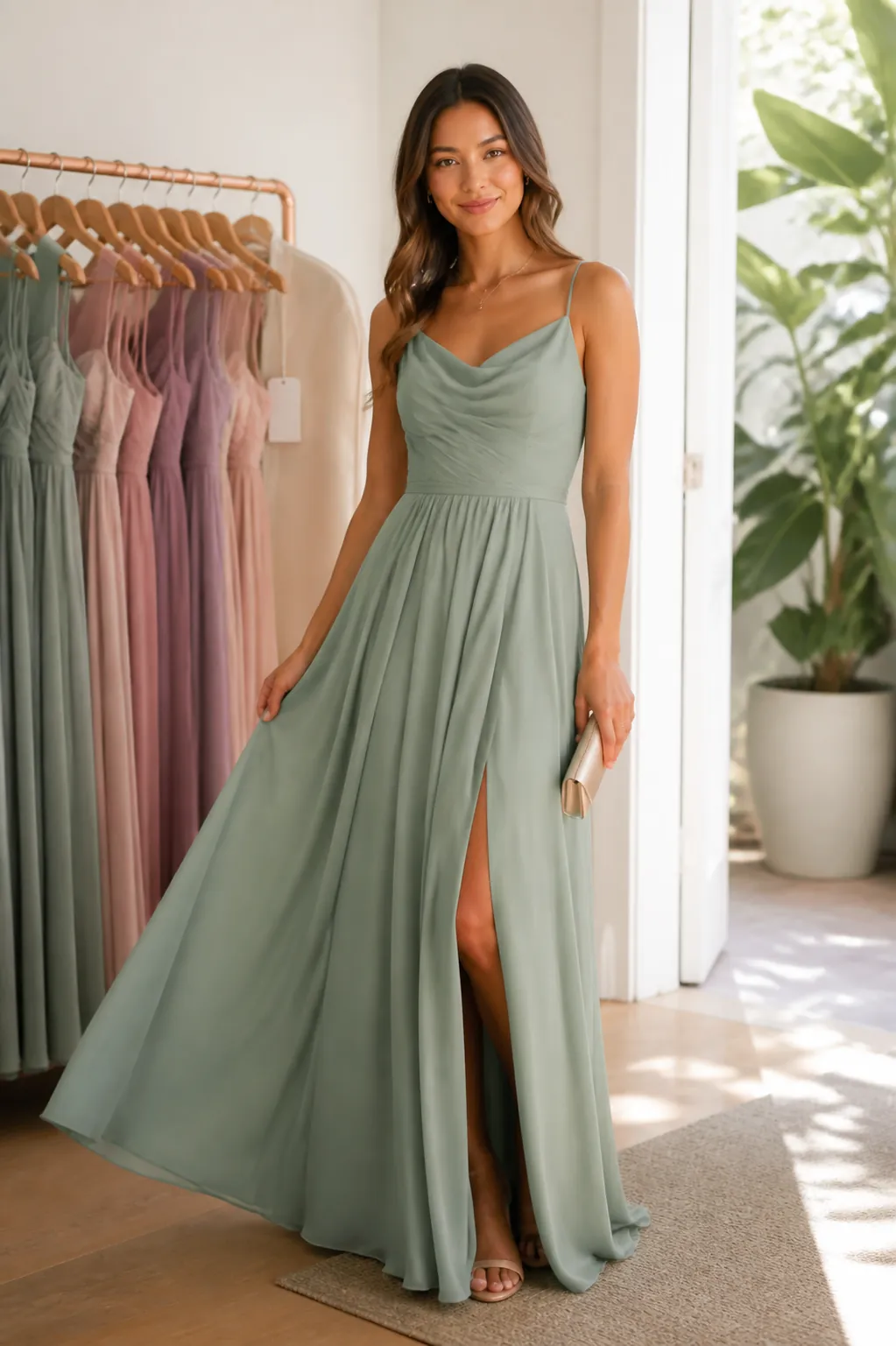
These are unforgiving on cheap fabric, full stop. A cowl neckline needs weight in the material to drape properly, so this is one style where spending closer to $150 to $250 genuinely changes the result. If your budget is tight, skip cowl necks and go for a structured bodice instead.
Black for Formal Weddings
Black bridesmaid dresses have had a real moment in Australian weddings over the past two years, partly because they photograph well against any venue and partly because they don’t fade or discolour the way pale colours can after a hot outdoor ceremony. Browse the black bridesmaid dresses range if you’re leaning formal.
Separates and Cami Sets
For brides who want a more relaxed getting-ready morning, a bridesmaid cami set works as loungewear before the dress goes on, and it photographs beautifully in the classic “getting ready” shot. Pair it with a set from the bridesmaid robes range and you’ve got a coordinated morning without touching the dress budget at all.
What to Check Before You Buy
Before anyone in your bridal party clicks purchase, there are five things worth checking that have nothing to do with how the dress looks on a model.
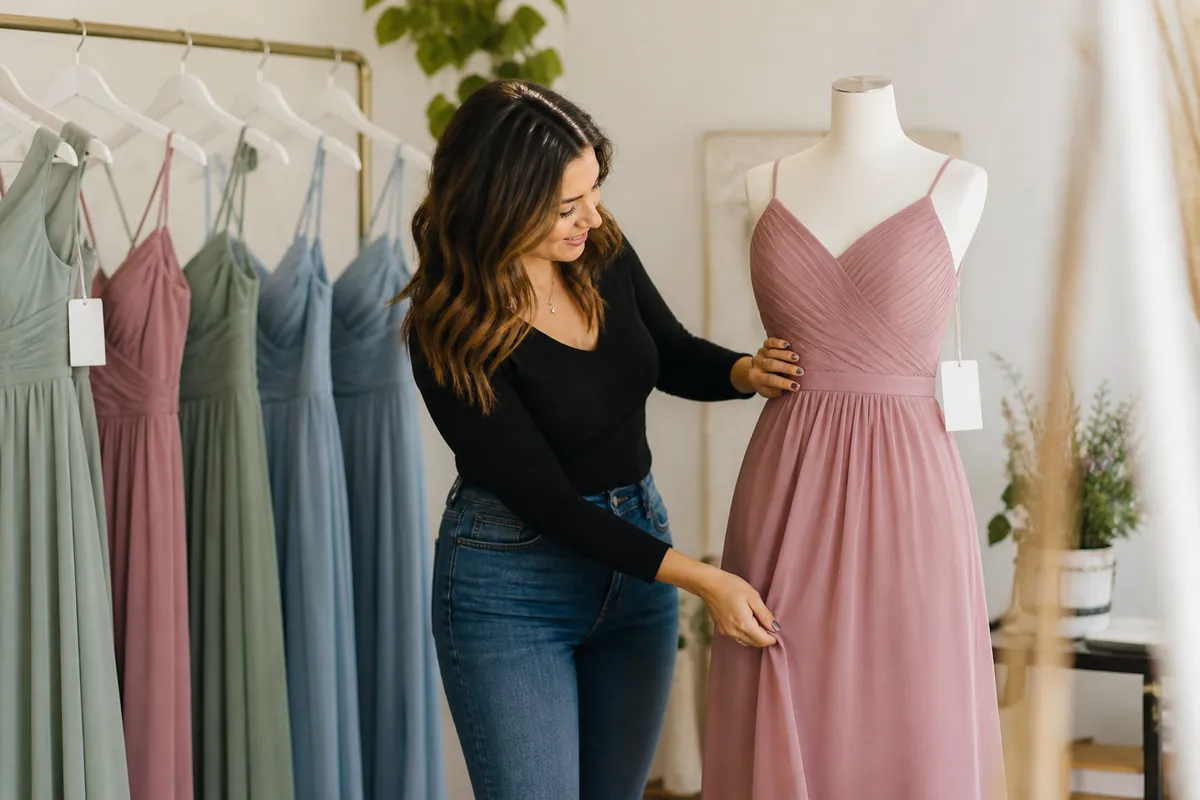
Fabric weight. Ask for a swatch or check the product description for grams per square metre if it’s listed. Anything under 100gsm chiffon will show every seam and every slip underneath, which matters if it’s windy on the day.
Return and exchange windows. This is the single biggest gap between cheap fast-fashion dress sites and dedicated bridal retailers. A $49 dress from an overseas marketplace often can’t be returned at all once it clears customs. Buying from an Australian-based retailer means normal consumer guarantees apply, and it’s worth checking the return policy before four people order the same style in different sizes to compare fit.
Sizing charts, not just S/M/L. Bridal sizing runs differently to everyday fashion sizing. A proper size chart with bust, waist and hip measurements in centimetres will save you an alterations bill that can quietly cost more than the dress did.
Lead time. Cheaper dresses from overseas can take four to six weeks to land. If your wedding is in ten weeks, that’s cutting it fine once you account for alterations. Local stock that ships within days gives you a buffer for the inevitable one bridesmaid who orders late.
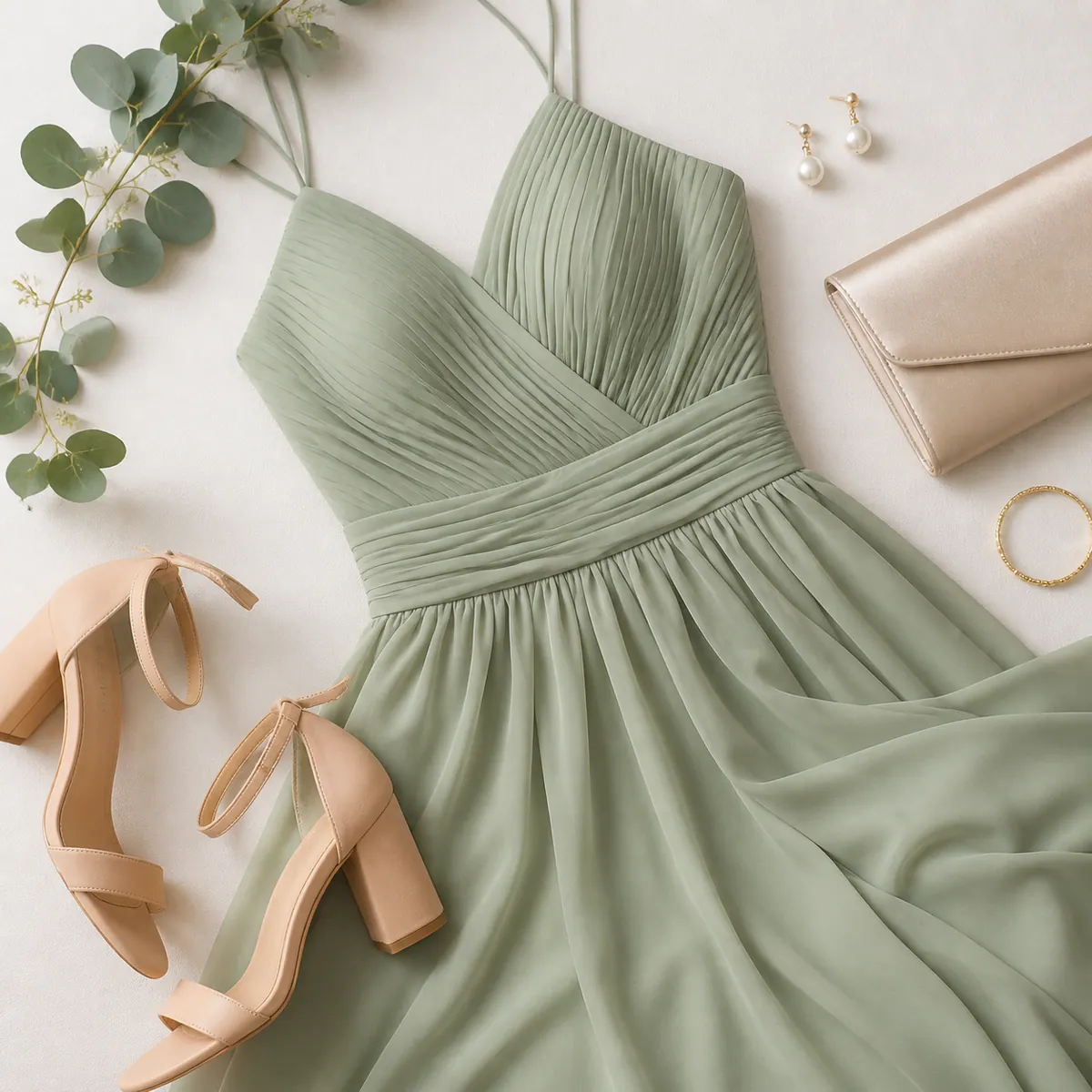
Matching accessories. Shoes, jewellery and hair pieces need to read as a set in photos even if they’re not identical. A quick browse of the accessories collection before the dresses arrive means you’re not scrambling to match metallics two weeks out. And if your budget has room to move, the sale collection is worth a look before you write off the $300 dresses entirely, since end-of-season pricing can close the gap more than people expect.
Tips from the Experts
Bridal stylists who’ve dressed a few hundred wedding parties tend to say the same three things, regardless of budget.
First, order one sample dress in the middle size of your group before everyone commits. It costs you one dress and a week of waiting, but it tells you exactly how the fabric behaves, whether the colour matches your swatch, and whether the sizing runs true. Skipping this step is the most common reason bridal parties end up with a scramble two weeks before the wedding.
Second, budget for alterations separately from the dress price, even on the $300 option. A hem, a bust dart adjustment or taking in the waist typically runs $30 to $80 per dress at a local seamstress. Build that into what you tell your bridesmaids the total cost will be, because nobody likes a surprise bill after they’ve already paid for the dress.
Third, standardise fabric type over exact dress style if your group has very different body shapes. Six bridesmaids in the same satin, in six different flattering cuts, will look more cohesive in photos than six bridesmaids in the identical cut across six different fabric weights. This is genuinely the trick that experienced stylists use and it costs nothing extra.
According to wedding planning resources like The Knot, the average Australian and US bridesmaid now spends a comparable amount on the dress whether they buy premium or budget, once alterations and accessories are factored in, which backs up why the alterations line item matters as much as the sticker price.
Frequently Asked Questions
What’s the best affordable bridesmaid dress option?
There isn’t one single “best” dress, but the best value sits with structured styles like wrap dresses or fitted-waist cuts, since the shape does the flattering work rather than relying on expensive fabric. Look for options in the $49 to $89 range with a lined bodice, which gives you most of the polish of a pricier dress without the full cost.
How do I pick the right bridesmaid dress?
Start with the colour and fabric you want consistent across the group, then let each bridesmaid choose a silhouette that suits her within that palette. Ordering one sample dress first, in a mid-range size, is the easiest way to confirm fit and colour before the whole party commits.
What should I check before buying a dress?
Check the fabric weight, the size chart in centimetres rather than just S/M/L, and the retailer’s return policy before anyone orders. It’s also worth confirming lead times against your wedding date, since alterations need to happen after the dress arrives, not the same week as the ceremony.
Are there budget bridesmaid dress options?
Yes, and they don’t have to look budget in photos if you pick the right cut and keep the colour consistent across the group. Checking a dedicated sale or affordable range regularly is the easiest way to find these prices without compromising on fit, since stock and discounts rotate through the season.