How to Choose Bridesmaid Dress Colours That Work for Every Skin Tone
Choose bridesmaid dress colours by comparing real fabric beside each person’s face, in the light your wedding will use. There is no single shade that flatters every skin tone. A shared colour family with a choice of depth or undertone can look cohesive while giving each bridesmaid a colour she enjoys wearing.
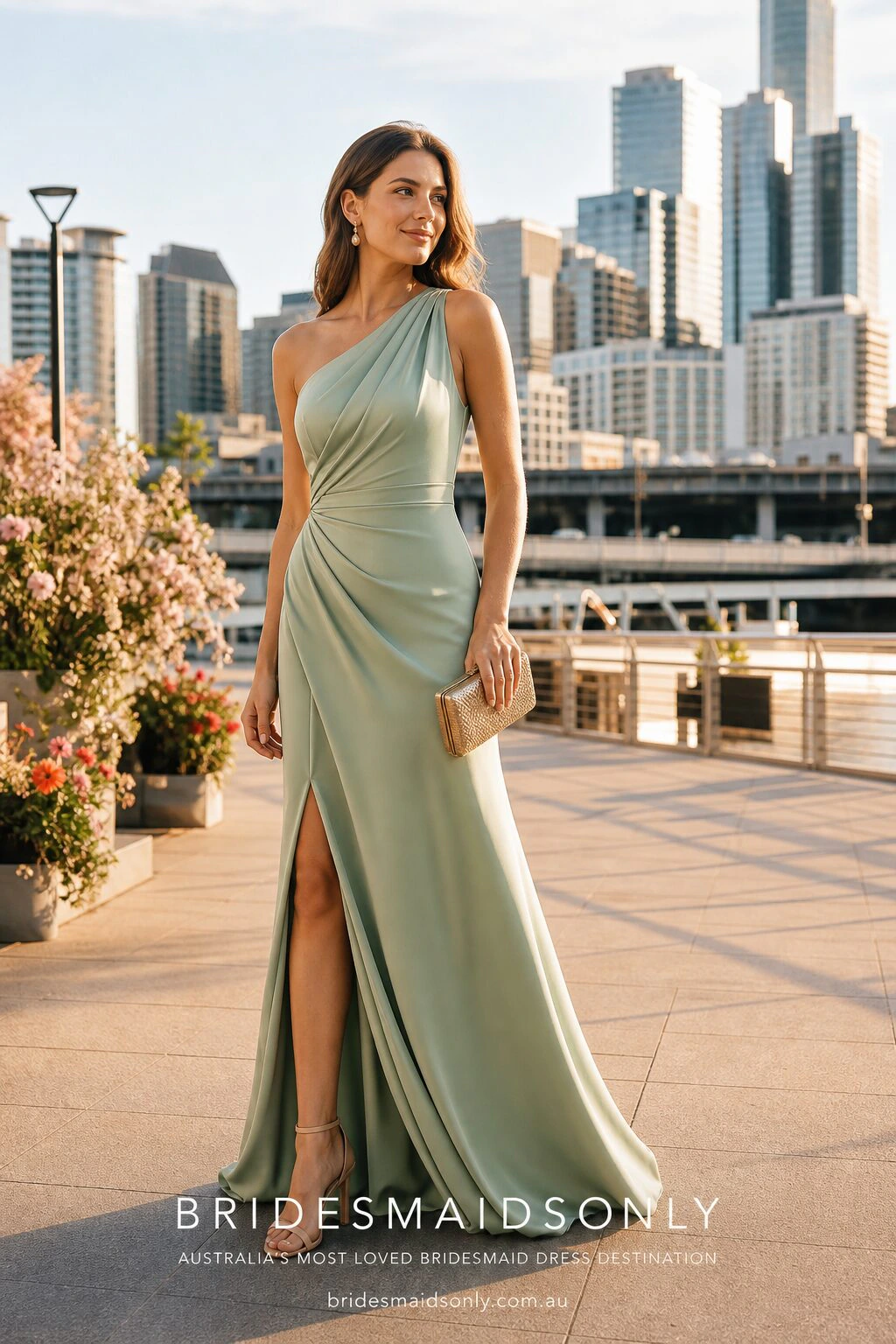
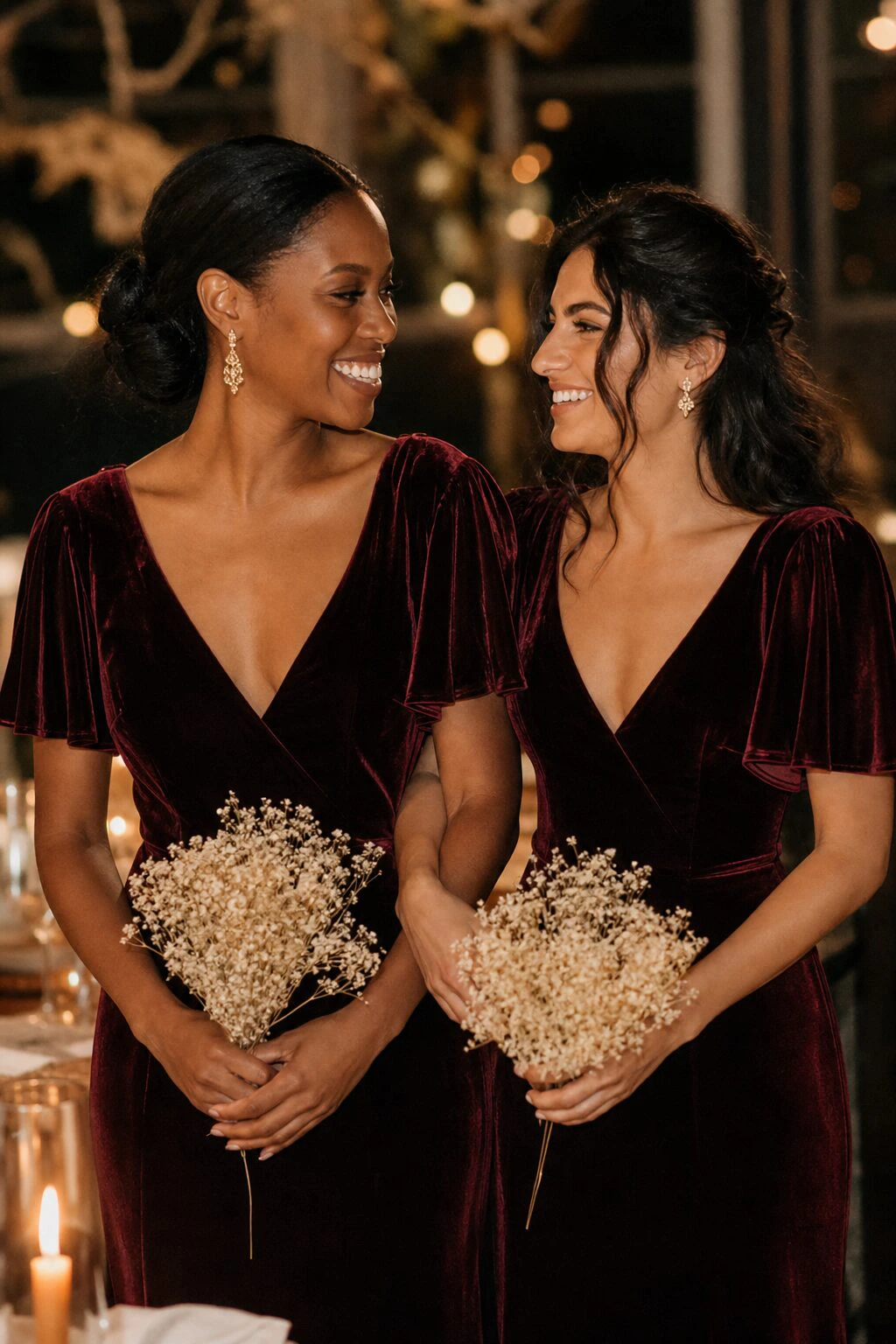
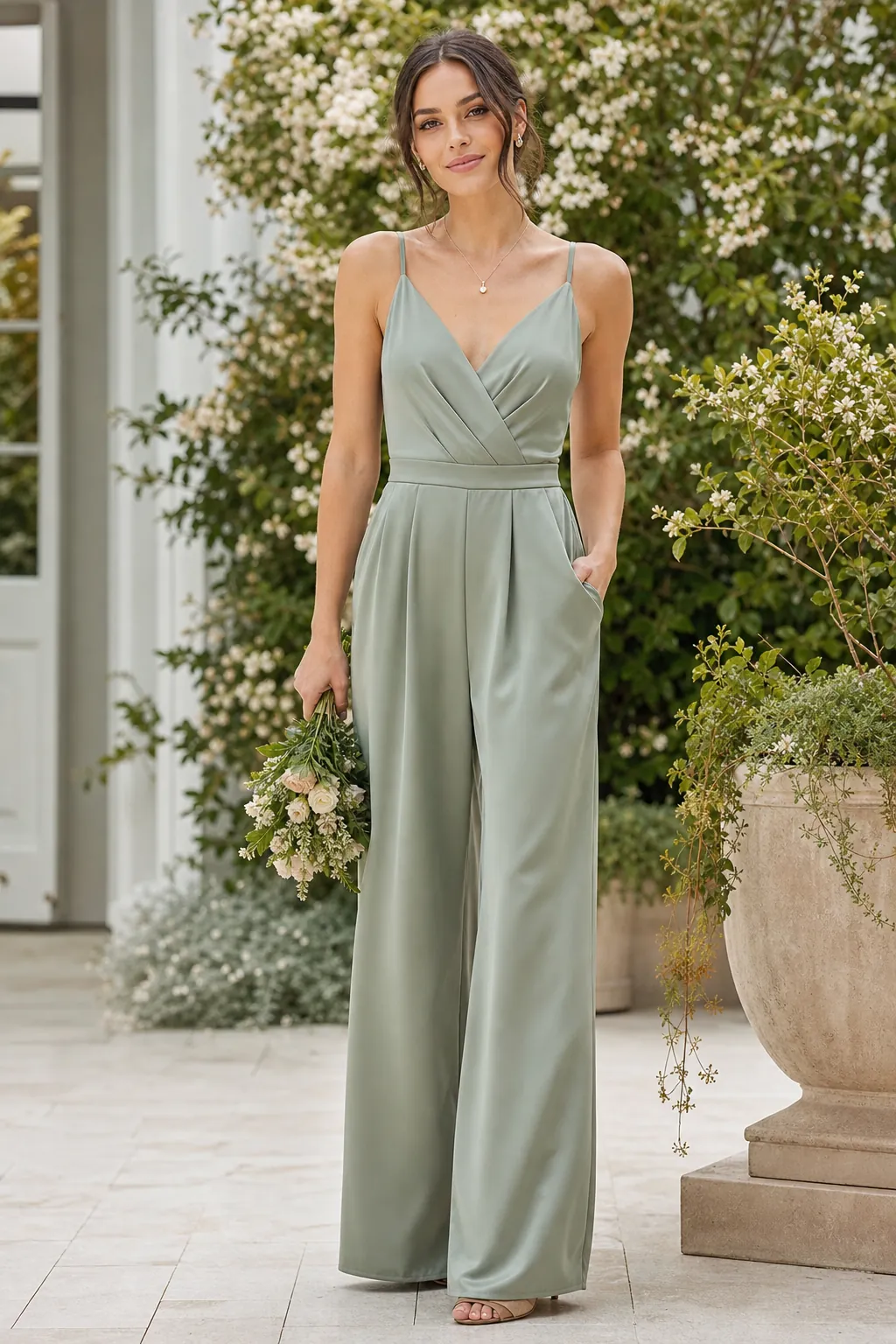
For a starting shortlist, compare Sage Green Bridesmaid Dresses, Dusty Blue Bridesmaid Dresses, Terracotta Bridesmaid Dresses and Emerald Green Bridesmaid Dresses. These offer different levels of warmth and depth; they are starting points to try, rather than rules about who can wear them.
How do skin tone, undertone and contrast affect a colour choice?
Skin tone describes how light or deep skin appears. Undertone describes its underlying colour cast, often called warm, cool, neutral or olive. Two people with a similar skin tone can prefer quite different dress colours. Hair, makeup, the neckline and the contrast between a dress and the wearer’s skin also change the overall impression.
You do not need to assign everyone a seasonal colour category or rely on a vein-colour test. Hold two or three actual swatches near the face and compare them. Ask which shade makes the wearer feel comfortable and which gives the amount of contrast you want in the photographs. Her preference matters more than a colour chart.
Which colour families should we compare first?
| Colour family | What to compare | Practical check |
|---|---|---|
| Sage and soft green | A greyed sage against a warmer olive or a deeper green. | Check whether the pale fabric blends into the wearer’s skin more than she wants. |
| Dusty blue and navy | A muted blue against a deeper navy. | Compare both in shade and indoor light; a deeper option may provide the contrast someone prefers. |
| Terracotta and warm pink | An earthy orange tone against a softer pink. | Look at the fabric beside the face, rather than judging from the colour name alone. |
| Emerald and other deep shades | A saturated green against softer or darker alternatives. | Check the strength of the contrast and how the colour relates to your flowers and venue. |
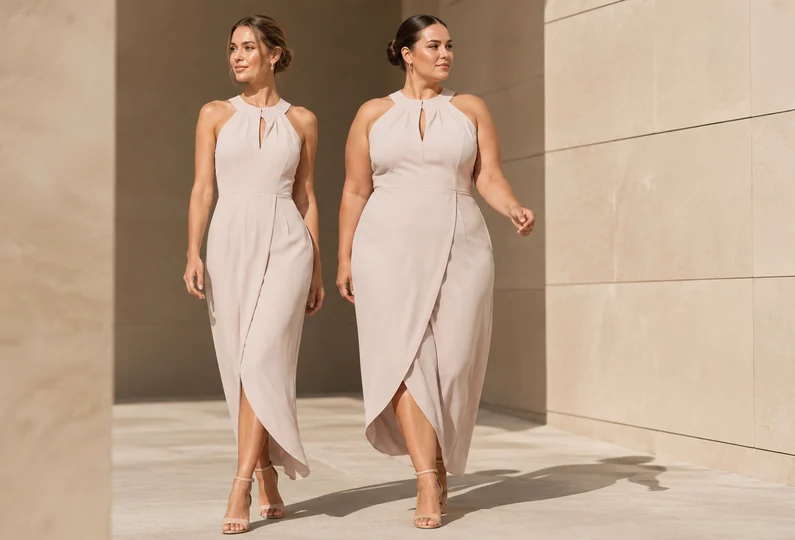
| Champagne and neutrals | A creamy, golden neutral against a cooler, greyed neutral. | Photograph the swatch beside the bridal outfit to check how distinct the colours appear. |
A pale shade is not automatically unsuitable for fair skin, and a deep shade is not reserved for deeper skin tones. If the group likes a particular colour, adjust the exact shade, fabric or neckline before abandoning it.
How can different shades still look like one bridal party?
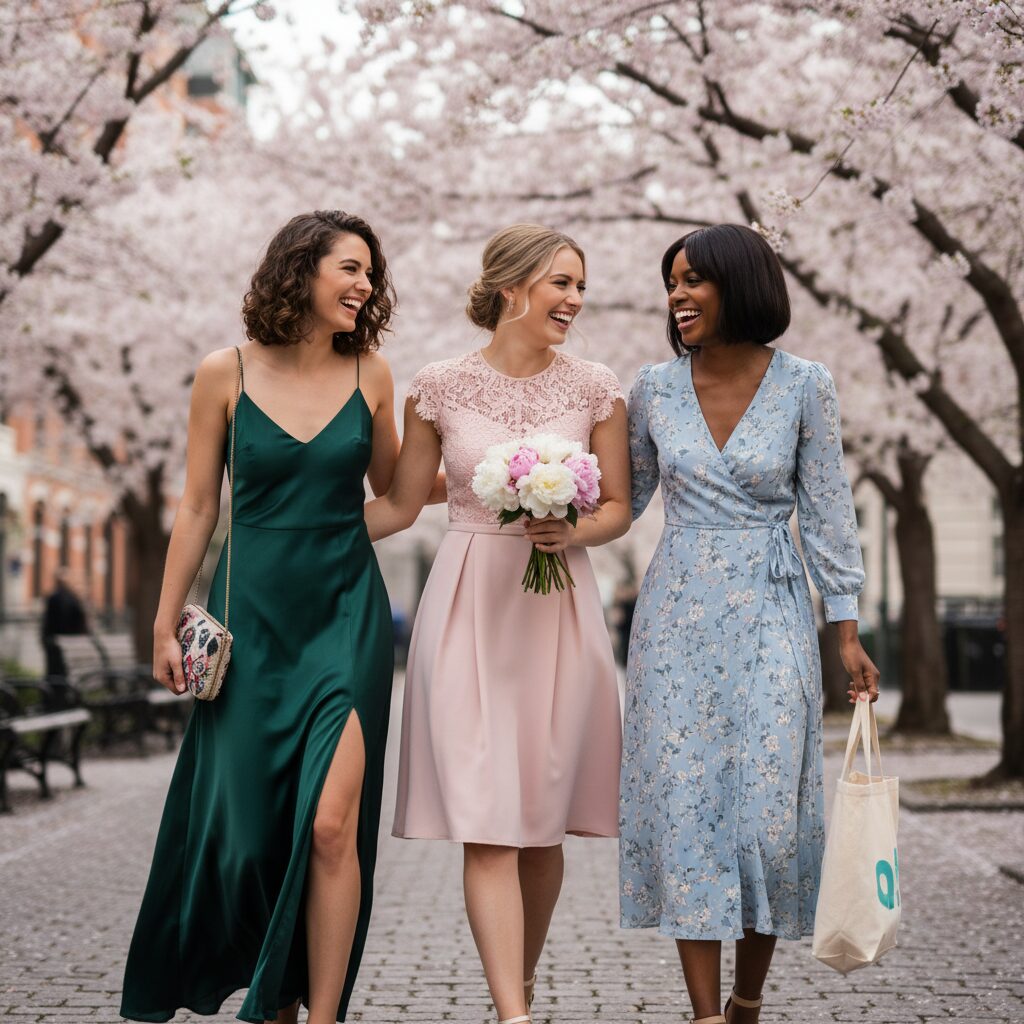
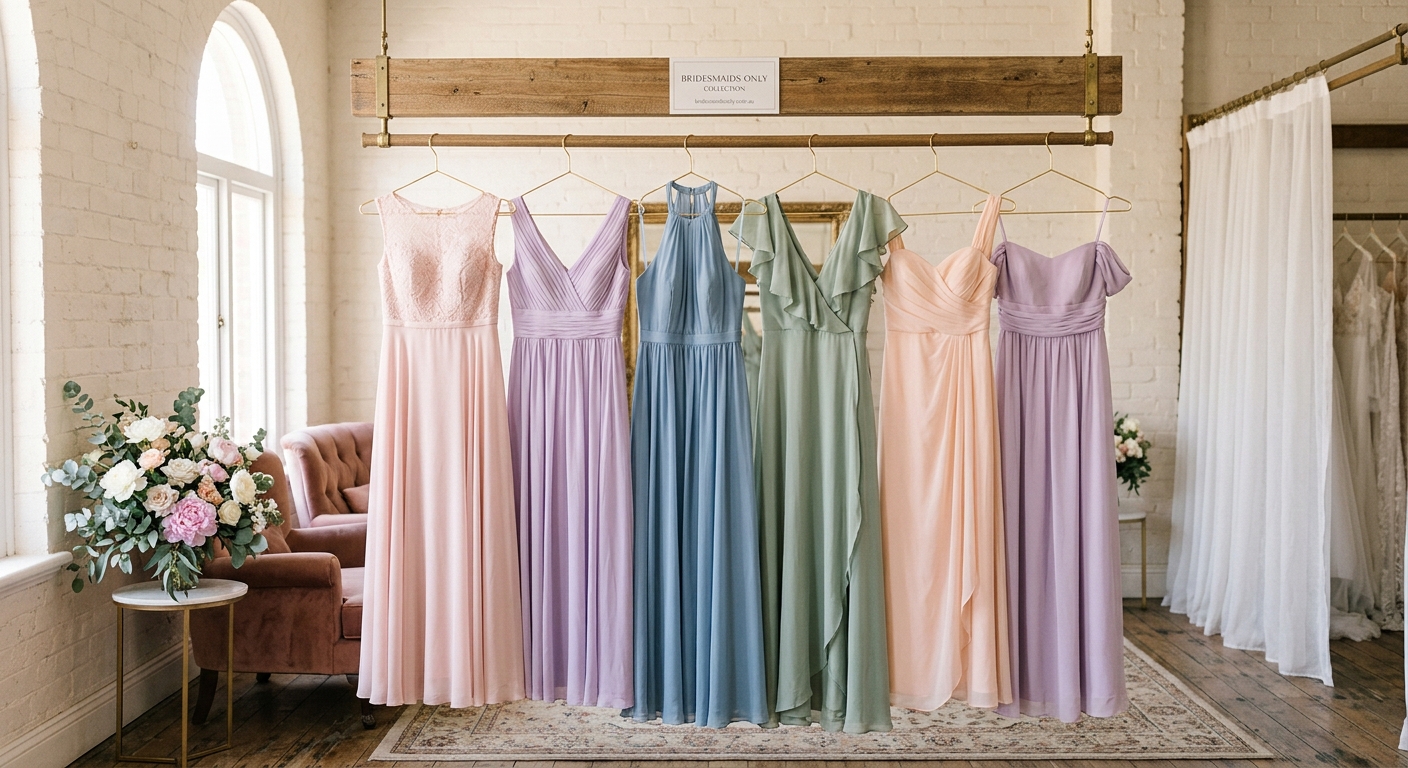
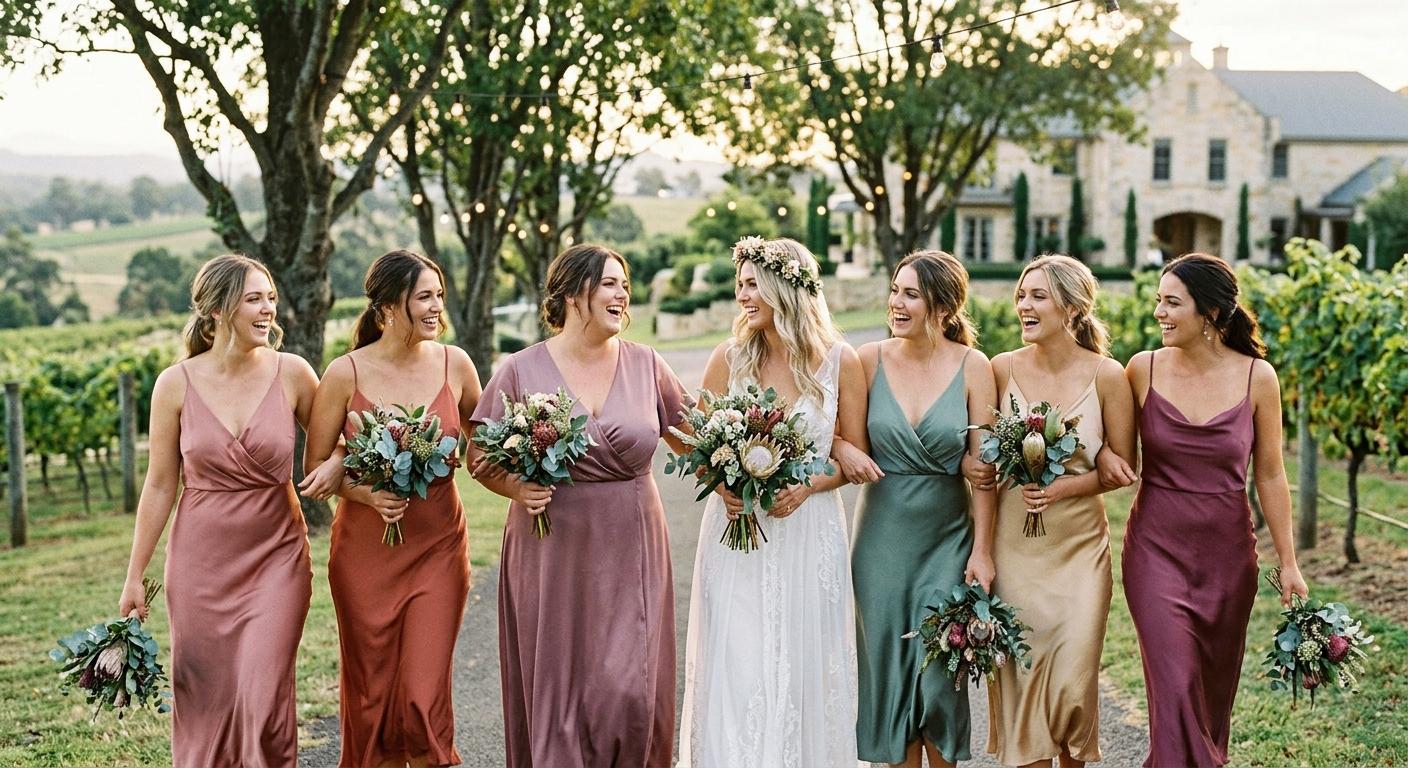
Choose one organising rule: a single colour with different necklines, neighbouring shades within a colour family, or a deliberate light-to-dark palette. Avoid changing shade, fabric, length and formality all at once unless you want a deliberately varied look.
For example, compare sage with Olive Green Bridesmaid Dresses for a green palette, or dusty blue with Navy Bridesmaid Dresses for more contrast. Lay every shortlisted swatch together with your flowers and the bridal outfit before allocating colours. Let each bridesmaid compare the options herself, then look at the whole group.
Why can the same colour look different in satin and chiffon?
A reflective surface catches highlights; a softer, less reflective surface spreads the colour differently. A shade called “sage” from one designer is not a guarantee of a match to another designer’s sage, particularly across fabrics. Screens and edited product photographs can also shift the appearance.
Compare Satin Bridesmaid Dresses and Chiffon Bridesmaid Dresses if you are still choosing a finish. Order the swatch for the actual designer and fabric you are considering, rather than treating a generic green sample as a match for every green dress.
How should we test the final shortlist?
- Shortlist two or three colours and check which dresses offer them in the required sizes.
- Use real fabric samples. Hold them near each person’s face with a neutral background.
- Check daylight and the indoor lighting you expect at the reception. If the ceremony is outdoors, compare sun and shade.
- Take an unfiltered group photograph as a useful comparison, while remembering a phone image is not a colour guarantee.
- Confirm the designer’s colour name, fabric, size chart and product details before ordering. Tell the styling team if bridesmaids are ordering separately and matching matters.
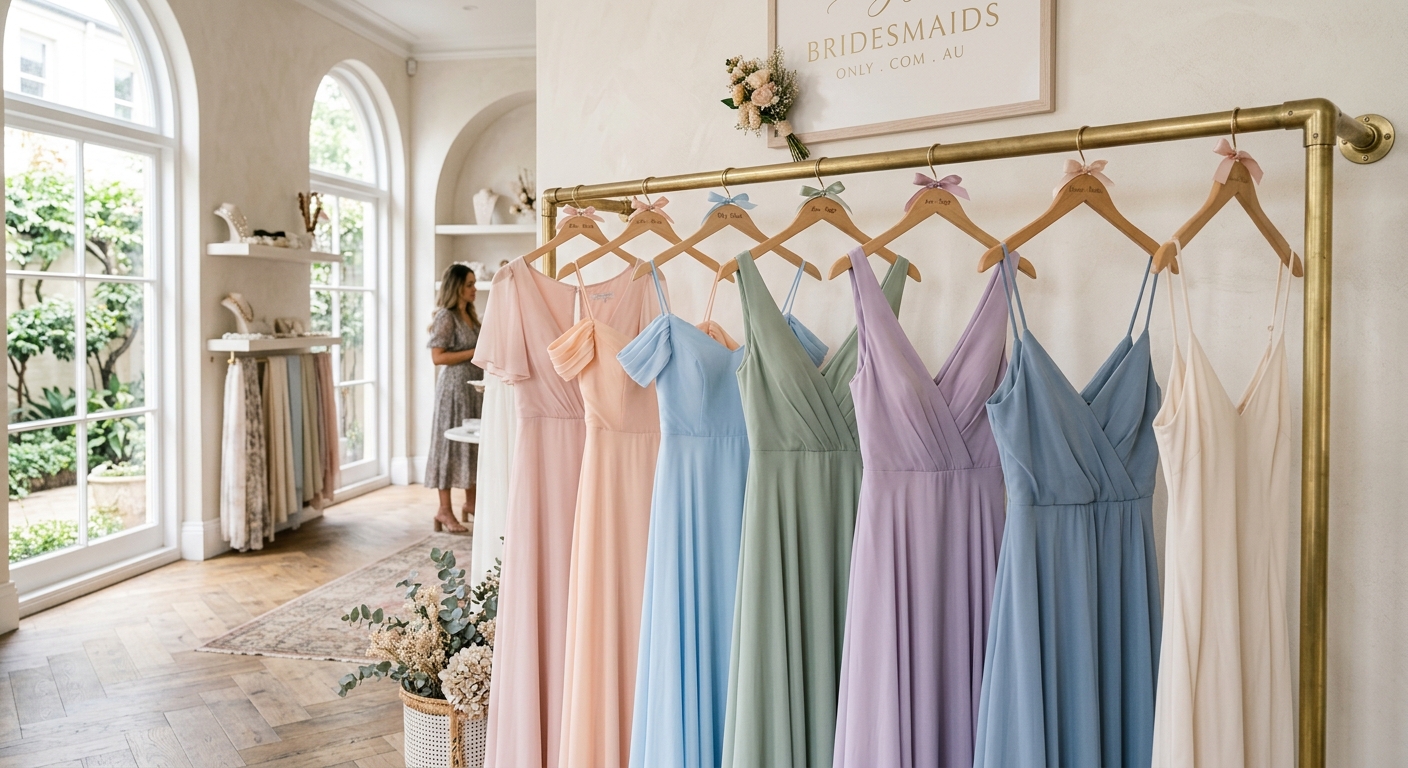
Explore Bridesmaid Dresses once the palette is narrowed down. The fabric swatch collection can help with colour and texture; Try Before You Buy Bridesmaid Dresses can help you assess a style and fit where the relevant sample is available.
Frequently asked questions
Is there a bridesmaid dress colour that suits everyone?
No colour is guaranteed to suit every person or preference. Compare a small shortlist in real fabric and let the bridal party try it. A coordinated range of shades can work better than insisting on one exact colour.
Can bridesmaids with different skin tones wear the same colour?
Yes. Different skin tones do not require different dresses. Test the chosen fabric together, ask each wearer how she feels in it, and consider neighbouring shades if the group wants some flexibility.
Should we choose warm or cool colours?
Try both if you are unsure. Undertone can be a useful starting point, but the exact fabric, lighting and personal preference matter more than a fixed warm-or-cool rule.
Can I choose the colour from a phone screen?
Use the screen to shortlist, then check the actual designer and fabric swatch. Screen settings, photography and lighting can change how a colour looks.